
The short answer
Calgary to Waterton Lakes by RV takes you through southern Alberta’s prairie and foothills to a national park where mountains rise directly above an open lakeside village. It is a different experience from Banff: smaller in scale, exposed to wind and well suited to staying in one place for several nights.
Allow approximately 270–300 km and three and a half to four and a half hours of driving, depending on your Calgary address and route. Three days gives you a short introduction, while five days allows time for the village, lake walks, a suitable scenic drive and a weather-flexible afternoon. June through September is the simplest general season for a first RV visit, with conditions and services checked before departure.
A practical route is Calgary → Highway 2 south → Fort Macleod → Highway 3 west → Pincher Creek → Highway 6 south → Waterton. Other foothill approaches can be attractive, but choose them because they suit your trip, not because an app predicts a small time saving. Wind, campsite fit and local road access deserve as much attention as the kilometres.
Trip at a glance
| Planning item | What to expect |
|---|---|
| One-way distance | About 270–300 km by the Fort Macleod/Pincher Creek approach |
| Driving time | Approximately 3.5–4.5 hours without lengthy sightseeing stops |
| Recommended visit | 3–5 days |
| Best general season | June–September; seasonal snow and weather still matter |
| Main overnight option | Townsite Campground, subject to site fit and availability |
| Main RV issues | Strong wind, exposed sites, side-road restrictions and limited parking |
| Useful supply stops | Calgary, High River, Fort Macleod and Pincher Creek |
| Ferries | None on the main route |
Check the entire route on 511 Alberta before leaving. If a severe wind warning affects the journey, delaying departure can be a better choice than trying to compensate with a slower arrival time.
Choosing the approach from Calgary
Highway 2, Fort Macleod and Pincher Creek
This approach keeps you near useful services and gives you a clear route into the park. Highway 2 carries you south through agricultural country. Around Fort Macleod, turn west on Highway 3, then approach Waterton through the Pincher Creek area and Highway 6.
The service towns make it easier to find groceries, fuel and a proper rest stop before entering the park. They also give you places to pause if conditions deteriorate. Add a lunch stop to your plan instead of arriving in the village with an empty refrigerator and a tired driver.
A foothills-focused approach
Some travellers prefer incorporating the Cowboy Trail and smaller foothill communities. That can make a rewarding longer trip, but it is not essential for a first visit. Check the road surfaces, turns and current conditions for the precise route you select.
Avoid unfamiliar gravel shortcuts with a large RV. The shortest path on a navigation screen may offer little turning space and fewer services. For a trip of only three days, the straightforward approach usually leaves more time for the destination.
Day 1: Calgary to Waterton
Leave with the RV ready for several nights. Check tires, fluids, hitch connections and the interior load. Pack layers where you can reach them: a warm Calgary morning can become a cool lakeside afternoon, and the wind can make a simple picnic feel much colder.
Use a major town for the final substantial grocery shop. Pincher Creek is a convenient checkpoint on the western approach. Refuel with a margin for local touring and the return journey rather than relying on one particular park-area station being open when you need it.
Before the final leg, confirm your campground arrival instructions. Enter the campground entrance, not just “Waterton,” in navigation. Read the site map before turning into the loop, particularly if you have a long trailer or an attached tow car. Arriving in daylight makes the exposed landscape easier to understand and the campsite easier to assess.
Spend the rest of the day settling in. Walk the village, look at the lake and check the next day’s weather and park advisories. Avoid committing to a scenic road immediately after a long driving day simply because the mountains are inviting.
Wind and RV driving in southern Alberta
Wind is a central planning issue on this trip. Open terrain leaves tall vehicles and trailers exposed, and gusts can vary around hills and gaps. Monitor official warnings before departure and at your final service stop. If conditions are beyond your comfort or equipment capability, stay put at a suitable location.
Drive at a speed that keeps the combination controlled. Keep both hands available, allow extra space around trucks and watch for sudden changes in exposure. Do not assume a trailer that felt stable earlier in the day will behave the same way in stronger crosswinds. Correct loading and a properly configured hitch are important before travel begins.
At camp, stow the awning when you are away and secure lightweight equipment. An awning is not a reliable shelter from strong wind. Follow its manufacturer’s limits and campground rules, and bring furniture that you can store quickly rather than creating an elaborate setup every afternoon.
Choose comfort over a view when necessary. An open lake-facing site may be beautiful but less sheltered than you expected. Check pad dimensions and available site descriptions, then prepare for conditions rather than expecting trees to provide protection everywhere.
Townsite Campground and other overnight options
Townsite Campground
Townsite Campground is a practical RV base beside the village. Parks Canada lists full-service, electrical and unserviced categories. Select the category and pad that fit your vehicle; being close to town is useful only if your equipment can enter and remain fully within the assigned space.
Parks Canada’s 2026 operating season for Townsite ran from May 1 to October 12, weather permitting. Sites could be reserved from May 8 through September 21, and the dates on either side were first come, first served, with registration at the campground kiosk. Some loops closed earlier in September, and shoulder-season facilities are reduced. These are 2026 dates, not a promise for later years, so check the current camping page for your travel season.
| Section | Service level | What it offers for RVs |
|---|---|---|
| A and B (about 110 sites) | Full service | Electric, water and sewer; 15-, 30- and 50-amp service; drive-through RV parking |
| C, D and G (about 75 sites) | Electric only | 15- and 30-amp service; back-in RV parking |
| E and H | Unserviced | Tent camping only, so not an option for an RV |
Parks Canada sets a maximum stay of 14 nights and asks you to give your unit size when you reserve, because some sites have size restrictions.
The main advantage is being able to walk to many village and lakeshore destinations. You can leave the RV set up instead of moving it for every meal or short outing. This is particularly valuable for a motorhome traveller who does not bring a tow vehicle.
Campgrounds outside the park
An outside-park campground may be a useful alternative when Townsite is full or you need a different site layout. Compare private parks and other authorized options around the approach communities, then calculate the daily drive into Waterton. Browse campgrounds in southern Alberta to compare private options along the approach.
A more distant pad can solve a length or hookup problem while adding commuting time. Be honest about that tradeoff. If you want dawn walks and evenings by the lake, location matters; if you want a large serviced site and occasional day visits, an outside base may suit you well.
Verify current campground names and status
Do not assume every campground named in an older Waterton article is accepting RV bookings. Wildfire recovery, reconstruction and seasonal service changes can alter options. Use the current Parks Canada camping page and reservation system as your starting point rather than a list copied from a past season.
Day 2: Waterton village, Cameron Falls and the lakeshore
Give your first full day to the area around the village. A lakeshore walk, Cameron Falls and time in town can fill an enjoyable day without a long scenic drive. Choose walks suited to your group and check current closures before heading out.
The lake setting is beautiful, but wind and cold water deserve respect. Do not judge boating or paddling conditions solely from a sheltered spot beside camp. Use appropriate safety equipment and seek local guidance if you are considering an unfamiliar water activity.
The Prince of Wales Hotel viewpoint is another popular place to research. If you plan to visit with a large RV, check current access and parking rather than assuming any scenic viewpoint is suitable for your combination. A walk or smaller sightseeing vehicle may be a better choice when conditions and mobility allow.
A quiet village afternoon is useful after the drive south. Buy lunch, look at the latest visitor information and reserve any activity you genuinely want to do. You do not need to fill every hour: sitting by the lake can be the main attraction of an RV stay.
Bear’s Hump and choosing a hike
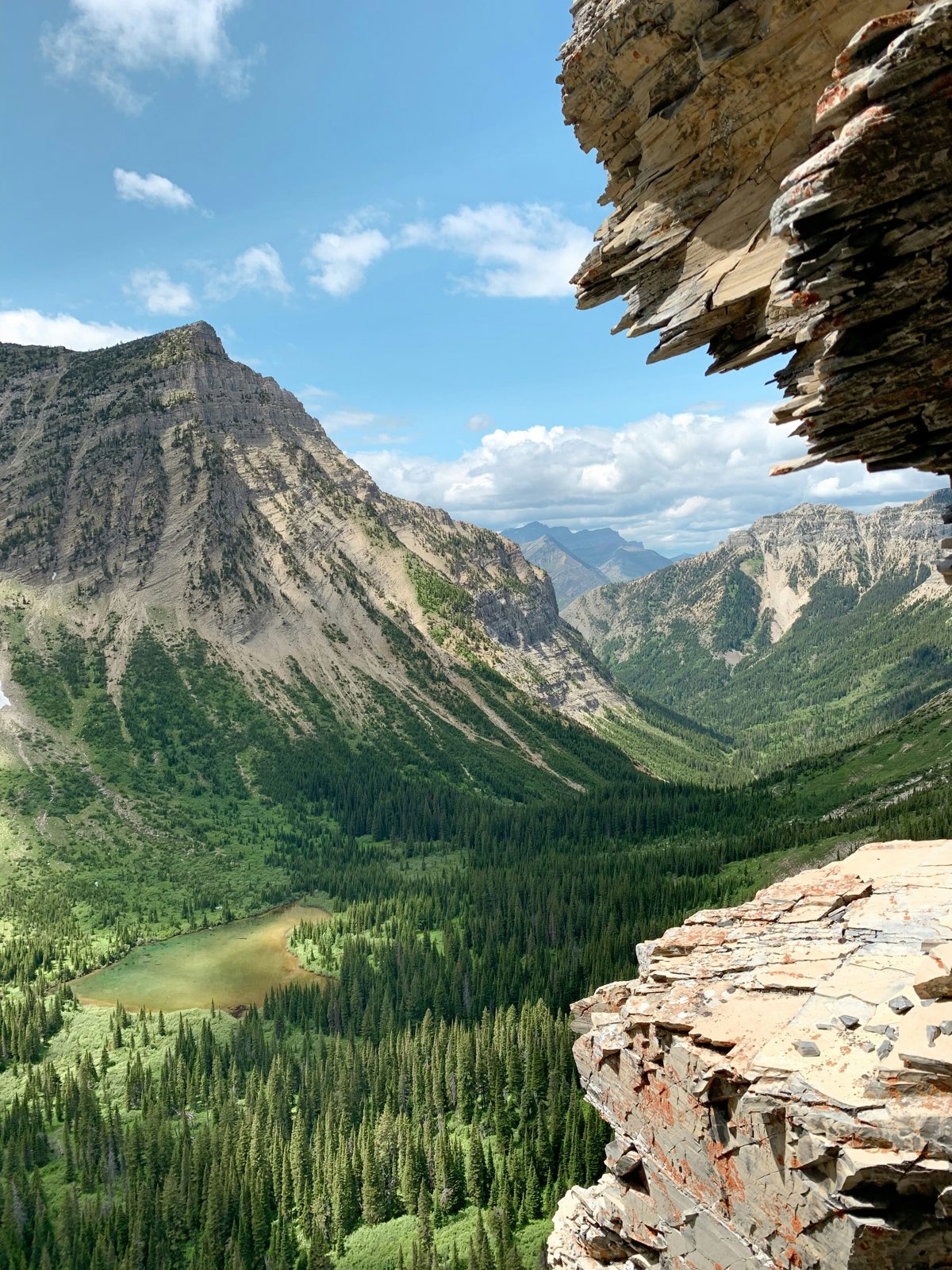
Bear’s Hump is a well-known viewpoint hike above Waterton village. It is a climb, not an ordinary flat lakeside stroll. Check the current trail report, weather and your group’s ability before choosing it. Wind on an exposed viewpoint can make the top feel very different from the campground.
Start with water, appropriate footwear and layers. Turn around if conditions or energy levels make continuing unwise. A view is not a reason to keep pushing a child, older traveller or anyone uncomfortable with the terrain. There are less demanding ways to appreciate the park.
For longer hikes, use current Parks Canada trail information and plan the outing properly. Carry navigation, supplies and suitable bear-safety equipment where appropriate. Tell someone your destination and return time. Trails that look close together on a park map may involve substantial distance and elevation.
Do not turn a five-day first visit into a collection of long hikes unless that is what your group wants. One ambitious walk with a recovery day can be more enjoyable than several consecutive efforts squeezed between campsite moves.
Red Rock Parkway and Akamina Parkway
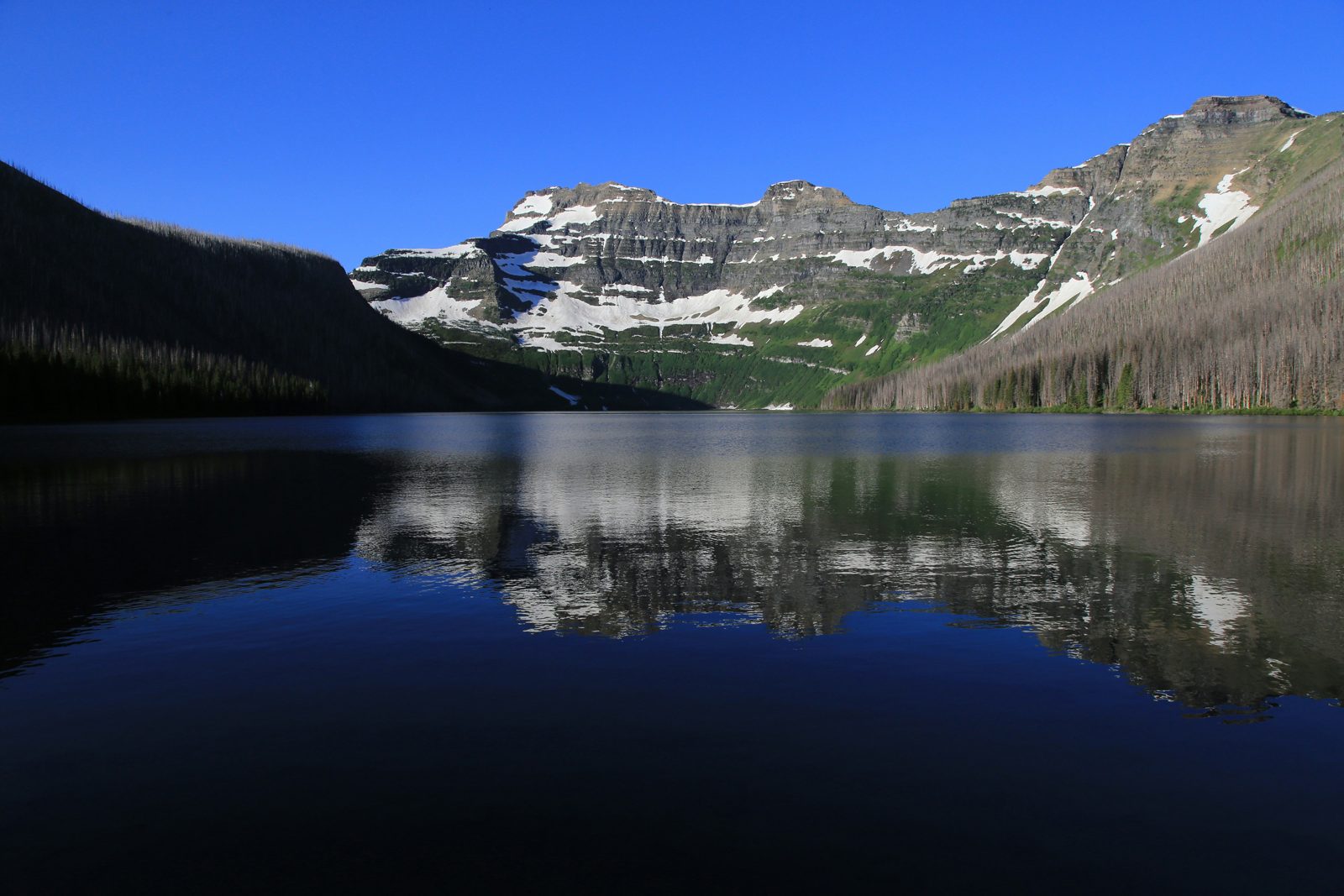
These scenic roads require a separate access decision from the main journey into Waterton. Curves, limited parking, seasonal operation and temporary restrictions can affect your visit. Check current road and area information with Parks Canada before leaving the campground. Parks Canada describes Akamina Parkway, the road to Cameron Lake, as narrow and winding, and the parkways have a 50 km/h speed limit. It does not publish a vehicle length limit on its points-of-interest page, so ask before taking a long rig.
For a large motorhome or trailer, ask specifically about the vehicle’s dimensions and the places you intend to stop. Do not infer permission from the fact that a road is open to cars. A road may be drivable while its destination lot provides no comfortable turnaround for your combination.
Leaving a trailer at camp and using the tow vehicle is usually the easier approach for these excursions. If your motorhome is your only vehicle, choose destinations that are confirmed suitable or look into available transportation options. Skipping one side road is preferable to arriving somewhere you cannot maneuver safely.
Red Rock Canyon and Cameron Lake can be worthwhile destinations when access and weather permit. Build one scenic-road outing into a day rather than assuming you can comfortably combine both, a long hike and a boat activity. Check current trail and parking arrangements at the destination as well as the road itself.
Boat trips and the Canada–United States border
Waterton’s position beside an international border adds interest, but a boat excursion and an RV border crossing are different plans. If you book a lake trip, read the operator’s current itinerary, identification requirements and rules for any landing or border-related activity. Do not assume every sailing allows the same shore access.
If you plan to continue by road into the United States, organize passports, vehicle documents, rental permission if applicable, food restrictions and the relevant crossing’s current hours. Make that an intentional extension rather than a spontaneous detour after an afternoon walk.
For the Calgary–Waterton trip described here, no border crossing is necessary. You can enjoy the village, lake and permitted trails entirely within the Canadian trip. That simplifies a short visit and leaves more time for the campground and scenery.
Three-day RV itinerary
| Day | Suggested plan | Overnight |
|---|---|---|
| 1 | Calgary to Waterton via a service-town stop; check in; village walk | Townsite or confirmed outside campground |
| 2 | Lakeshore, Cameron Falls and a suitable hike or booked lake activity | Same campground |
| 3 | Easy morning; service tanks; return to Calgary | Home or next destination |
This is a workable introduction, especially when the weather cooperates. Avoid placing all the most weather-dependent activities on the second day. A lakeshore morning and a flexible afternoon give you room to respond to gusts, rain or a change in energy.
If you are starting late on day one, shorten the sightseeing plan instead of pushing the arrival. The drive back to Calgary should also have a rest break. A three-day trip still provides two nights in a mountain setting without needing to turn every hour into an attraction.
Five-day RV itinerary
| Day | Suggested plan | Overnight |
|---|---|---|
| 1 | Travel from Calgary and settle into camp | Waterton base |
| 2 | Village, Cameron Falls and lakeshore | Same base |
| 3 | One scenic-road excursion using suitable transportation | Same base |
| 4 | Hike, lake activity or weather-flexible rest day | Same base |
| 5 | Morning walk, tank service and return | Home or onward trip |
Keep day four loose. It can become the day you repeat a favourite walk, take the activity postponed by wind or simply rest at camp. A trip with one spare afternoon handles mountain weather much more gracefully than a schedule with no room between bookings.
With seven days, add a foothill stop on the approach or return, or include another destination after Waterton. There is no need to create a new campsite every night. The village works well as a base when your main aim is walking and enjoying the lake.
Fuel, groceries, water and dump stations
Calgary offers the widest initial shopping choice. Our guide to RV camping in Alberta explains how park reservations and fees work. High River, Fort Macleod and Pincher Creek provide useful service opportunities depending on your route. Take enough food for your planned stay plus a small reserve, and buy specialist items before entering the park. Browse campgrounds with dump stations to compare your options.
Refuel where the pump layout suits your RV. Wind and loaded travel can change consumption, so do not calculate range using the best mileage your vehicle ever achieved. Include local sightseeing and the return journey to the next reliable supply town.
Book full service if you want the convenience of sewer and water at the pad, but verify the individual reservation. For electrical or unserviced sites, identify the campground’s current tank-service arrangements. Seasonal water availability can differ from campground opening dates, especially early and late in the season.
Dump only at authorized facilities and confirm non-guest access if you plan to use a station outside your booked campground. Pack separate equipment for clean and wastewater tasks. A proper service stop before leaving makes the return day easier and avoids searching for disposal while approaching Calgary tired.
Best months, fees and connectivity
June through September is a useful general target for a first RV trip. Early summer may still bring snow at elevation, while September can produce chilly nights and reduced business hours. July and August are popular, making a suitable campground reservation especially important. More best RV trips in Alberta are listed on our trips page.
Spring and autumn visits require closer checks of road access, water, washrooms and weather. A published campground season does not mean all services operate identically throughout it. Verify your dates rather than treating the first or last week as a discounted version of midsummer.
National park admission and overnight camping are separate expenses. Check current fees and any seasonal programs directly with Parks Canada. Do not build a future trip budget around a temporary promotion from a previous summer. Add activity costs, fuel and any transport you need for restricted roads.
Download reservations, maps and directions before the trip. Connectivity can vary, especially away from the village. If a remote hike or drive is on the plan, keep the relevant route information offline and avoid depending on a live search to make the next decision.
Wildlife, campsite routines and departure checks
Keep food, garbage and scented items secured according to the park’s rules. Wildlife may pass through developed areas, so a village-adjacent campsite still requires proper storage. Never feed animals, and give them space rather than approaching with a phone for a photograph.
Keep pets under control and follow current leash and trail rules. If you leave the RV for an activity, make a responsible plan for animals travelling with you. Do not assume cool outdoor air guarantees a comfortable temperature inside a sunlit vehicle.
Before each excursion, check the wind, trail report and the exact access road. Before leaving for Calgary, stow the awning and loose equipment, inspect the hitch and lights, service tanks where practical and check 511 Alberta again. The same open roads that were calm on arrival may be windy on departure.
Make one day depend less on the weather
Arrange your activities so a windy or rainy morning does not leave you without a plan. A village visit, a meal, time at camp and a shorter sheltered walk where conditions permit can replace an exposed viewpoint. Save the most weather-sensitive outing for a suitable forecast rather than attaching it permanently to a day number.
This matters particularly on a three-day visit. Choose one activity you most want to do, learn what conditions it needs and keep the remaining schedule flexible. If it cannot happen, enjoy the places that are available instead of trying to force a mountain outing because the trip is short.
More route guides: Calgary to Drumheller by RV and Calgary to Banff and Jasper by RV.
Frequently asked questions
How far is Calgary to Waterton Lakes by RV?
Allow approximately 270–300 km on the Fort Macleod and Pincher Creek approach. Your Calgary address and campground location change the exact distance.
How many days are enough?
Three days gives you a short first visit. Five days allows scenic outings, a hike and some flexibility for wind or rain.
Is Townsite Campground suitable for RVs?
It offers several RV site categories, including serviced options. Select a pad with adequate dimensions and confirm the services provided by your specific booking.
Can I take a large RV on the scenic parkways?
Check current restrictions and parking arrangements directly with Parks Canada. Do not assume that access suitable for cars is suitable for a large motorhome or trailer.
Is wind a serious consideration?
Yes. Check warnings before driving, stay within your equipment’s capability and stow awnings when conditions or absence make them vulnerable.
Do I need to enter the United States?
No. The Calgary–Waterton trip can remain entirely in Canada. A road border crossing or certain boat activities require separate planning.
Are campground services the same throughout the season?
No. Shoulder-season water, washrooms and serviced loops can differ. Check the current schedule for your exact travel dates.
Official sources
Rules, fees, and services change. Check these directly before you travel.