
The short answer
Newfoundland's Viking Trail by RV combines the landscapes of Gros Morne with the archaeology and living-history interpretation at L'Anse aux Meadows. The core route begins at Deer Lake → Route 430 → Gros Morne → the Great Northern Peninsula → Route 436 → L'Anse aux Meadows, with additional community and coastal outings selected along the way.
Parks Canada places L'Anse aux Meadows about 433 km north of Deer Lake by the described approach. Allow roughly six to eight hours of RV driving one way before substantial stops and side trips. Seven to ten days from Deer Lake provides time for several campground bases and the return, while a mainland-based trip generally needs twelve to fourteen days or more once ferries and the western Newfoundland approach are included.
This is not a loop road around the northern tip. Most visitors return south along Route 430, so the return distance and nights must be protected from the beginning. A ferry from Nova Scotia is a separate major travel stage, not a brief addition to the first day.
Trip at a glance
| Planning item | What to expect |
|---|---|
| Core start | Deer Lake |
| Main road | Route 430, with Route 436 for L'Anse aux Meadows |
| Core one-way distance | About 433 km to L'Anse aux Meadows |
| Driving allowance | 6–8 hours before longer stops and excursions |
| Core trip | 7–10 days including the southbound return |
| Mainland trip | 12–14+ days with approach roads and ferries |
| Main bases | Gros Morne, a peninsula transit stop, northern peninsula |
| Main planning issue | Ferry bookings and a complete return schedule |
Tourism itineraries may quote longer Viking Trail distances because they include branches and additional attractions. The 433 km figure is the principal Deer Lake-to-historic-site approach, not a guarantee of the total trip mileage.
Decide whether the trip starts on Newfoundland
Travellers already on Newfoundland can begin at Deer Lake after arranging a suitable vehicle and campground plan. Those bringing an RV from the mainland usually need a Marine Atlantic crossing from North Sydney, Nova Scotia, plus the road transfer from the arrival terminal. If you are driving up from Halifax, Halifax to Cape Breton by RV covers the road to Cape Breton, and Cabot Trail by RV covers the loop if you want to see it before the ferry.
The Port aux Basques crossing provides a western-island arrival that fits this itinerary naturally. Port aux Basques to the Deer Lake area adds roughly 270–300 km of road travel each way, depending on stops and campgrounds. Spread the arrival sensibly rather than assuming a ferry journey leaves the driver ready for another long stage.
Argentia is a different, eastern-island arrival and involves much more Newfoundland driving for this western route. Compare it only as part of a wider island trip with sufficient time. It should not appear in the booking merely because a sailing time seems convenient.
Map the whole trip: mainland approach, outbound ferry, western Newfoundland transfer, Viking Trail northbound and southbound, return ferry and drive home. Each part needs time and costs. Completing that map first prevents a northern attraction day from quietly consuming the ferry buffer.
Marine Atlantic reservations and check-in
Reserve the crossing using accurate vehicle dimensions and the complete combination, including trailers and projecting equipment. Passenger details, accommodation and vehicle space are separate booking considerations. A popular cabin choice may be unavailable even when a sailing still has some vehicle capacity.
Marine Atlantic currently requires passengers to be checked in at least two hours before scheduled departure. Recheck the current check-in instructions and your confirmation. The requirement is not a suggestion to reach the terminal road at the last minute.
Use a suitable mainland campground night if an early sailing or long approach makes that practical. Do not assume overnight camping at a terminal is available. The best arrangement gives time for rest, fuel, food and the check-in process without a tight highway deadline.
For the return, book a realistic sailing after the southbound route. Keep a buffer against weather or operational disruption and know how to contact the operator if plans change. A northern peninsula campsite cannot compensate for an impossible terminal arrival time.
Propane, identification and onboard arrangements
Marine Atlantic's current published RV policy limits onboard RV propane tanks to a maximum of two totalling no more than 65 litres, with valves shut and cylinders secured. Portable barbecue arrangements have separate wording. Verify your actual tank configuration directly through the operator's safety policy before booking. For propane basics, see our RV propane rules for Canada page.
Do not assume another ferry company's rules answer the question. Rental travellers should obtain the equipment information from the rental company and resolve uncertainty with Marine Atlantic. Follow the crew's boarding and appliance instructions.
Check identification requirements for every passenger, including children. The current policy requires reservation names to match government-issued identification and does not accept digital ID. Confirm the acceptable documents for the party through the official guidance.
You cannot use the RV as your sleeping accommodation during the crossing or return to the vehicle deck while underway. Carry needed belongings before leaving the vehicle. Book appropriate passenger accommodation and, if travelling with pets, review the operator's current pet options separately.
The western Newfoundland approach to Deer Lake
After a Port aux Basques arrival, the road route follows the Trans-Canada Highway toward the Deer Lake area. Keep the first stage modest if the sailing or sleep arrangements leave the driver tired. A booked transit campground can turn arrival into a comfortable start rather than a marathon.
Use practical service centres for groceries and fuel before moving north. Corner Brook and Deer Lake are useful reference points, with the actual business checked for clearance and turning room. Do not equate a map pin with an easy forecourt for a long combination.
At Deer Lake, the Viking Trail route turns from Route 1 onto Route 430. Save the first Gros Morne campground's exact address and preferred approach. The park covers a broad area, so the general name is not enough for arrival planning.
Keep campground check-in windows and any late-arrival instructions available offline. Mobile reception can vary, and a long approach is not the right time to search for an unbooked site. Carry a simple meal for the first park evening.
Gros Morne: choose the side of the park deliberately
Gros Morne is large enough that one campground does not put every attraction nearby. The Rocky Harbour and northern area can suit the Route 430 progression, while Tablelands and Trout River require a separate branch and additional driving. Choose the base according to the actual activities. Our directory lists campgrounds at Gros Morne National Park and the wider Newfoundland and Labrador directory.
The national-park camping information includes Berry Hill, Green Point, Shallow Bay, Lomond and Trout River. Service categories and facilities differ. Confirm the exact site length, hookups and authorized tank arrangements.
Parks Canada’s camping page, checked in October 2026, lists these five campgrounds. Season dates are shown as listed, so confirm them for your year.
| Campground | Season | Sites | Serviced sites | Dump station |
|---|---|---|---|---|
| Trout River | June 7 to September 30 | 38 | 0 | No |
| Lomond | May 17 to October 14 | 36 | 0 | Yes |
| Berry Hill | May 24 to September 30 | 69 | 25 | Yes |
| Green Point | May 17 to October 14 (open year-round by self-registration) | 33 | 8 | Yes |
| Shallow Bay | June 7 to September 30 | 62 | 11 | Yes |
The page lists no maximum equipment length and does not say which sites can be reserved, so check both for your site before you plan around it. Trout River and Lomond have no electrical hookups.
Berry Hill is a useful shortlist option for travellers wanting some serviced choices in the Rocky Harbour portion. Green Point and Shallow Bay provide other settings along the northern progression. A serviced-site count does not establish that every available pad fits a large motorhome.
Lomond and Trout River do not offer campsite electrical hookups in the current park overview. Trout River also lacks an onsite dump station in that overview. Plan services explicitly if choosing these areas rather than assuming every national-park campground operates like a full-hookup RV resort.
Gros Morne activities: one main experience per day
Choose one substantial activity each day and allow time for the approach, parking and return. A Tablelands outing, a boat trip and a demanding mountain hike are separate commitments. Trying to combine them can make even a multi-night stay feel rushed.
Consult current trail descriptions and closures before selecting a walk. The Gros Morne Mountain hike is a demanding outing with seasonal access considerations; it should not become a default family activity simply because the park carries the same name.
A shorter guided or interpretive walk can provide a strong understanding of the landscape without a full-day summit effort. Choose by the group's abilities and interests. Carry water, layers and saved route information, and retain an alternative for poor weather.
Use the campground as a genuine base. A quiet afternoon, supplies and a shorter local walk are legitimate parts of the stay. Protect enough energy for the northbound driving stage rather than using every park day to exhaustion.
Western Brook Pond: booking includes a walking approach
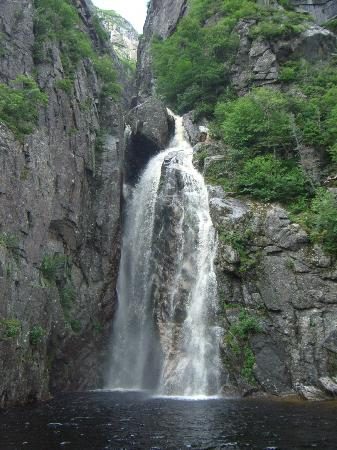
The Western Brook Pond boat tour is a popular Gros Morne experience, but the dock is not beside the RV parking lot. The approach is approximately 3 km on foot each way, with the boat excursion and waiting time additional. Include that walk when assessing the group's abilities and the day's length.
Check the operator's current information for booking, meeting time, cancellation terms and any available mobility assistance. Confirm assistance directly rather than assuming it is automatically included or always available.
Sailings depend on weather and conditions. Keep a flexible day if the excursion is a priority, and do not book it immediately before a long transfer north. Confirm the parking arrangements for the actual sightseeing vehicle.
Prepare for the walking and boat portions separately, with appropriate layers and supplies. A photograph from the water describes the scenery, not the effort needed to reach the dock or the conditions on your date.
Northbound on Route 430
Beyond Gros Morne, use Route 430 as the main progression and choose a small number of side outings. Coastal scenery, community visits and archaeological interests can make the journey varied, but each detour adds time and kilometres.
A transit night in the Port au Choix or another suitable peninsula area can divide the drive. Choose the actual campground based on vehicle fit and services, then plan the local visit around it. Do not assume an attraction's parking area is available for overnight camping.
The route serves working communities, so drive considerately and respect private access and fishing activity. Use legal pullouts with a safe exit for the whole rig. A tempting view is not a reason to stop unexpectedly on the road.
Fuel before a longer section and keep a reasonable reserve. Check station opening hours and the layout for your combination. Rural reception can be uneven, so have the next base and essential contact details saved before leaving the previous campground.
Northern peninsula camping
Pistolet Bay Provincial Park is a concrete northern campground option to investigate. The official information describes wooded sites, shared water facilities, a comfort station and a dump station, with many sites accommodating larger RVs. Browse campgrounds with dump stations to compare your options.
That description is not a full-hookup guarantee. Confirm the individual site's equipment limit, services and access, along with the park's current season. The route to the campground branches from the main trail, so include those kilometres in the daily plan.
Private campgrounds in the St. Anthony and L'Anse aux Meadows region provide additional options to compare. Ask about full travelling length, electrical service, water, sewer or shared disposal and arrival instructions. Choose a suitable base before reserving a timed historic-site experience.
A two- or three-night northern stay gives the archaeological visit its own day and leaves room for a community or coastal outing. If weather-sensitive wildlife or boat activities interest you, extra time is more valuable than another rushed campground transfer.
L'Anse aux Meadows: allow a full historical visit
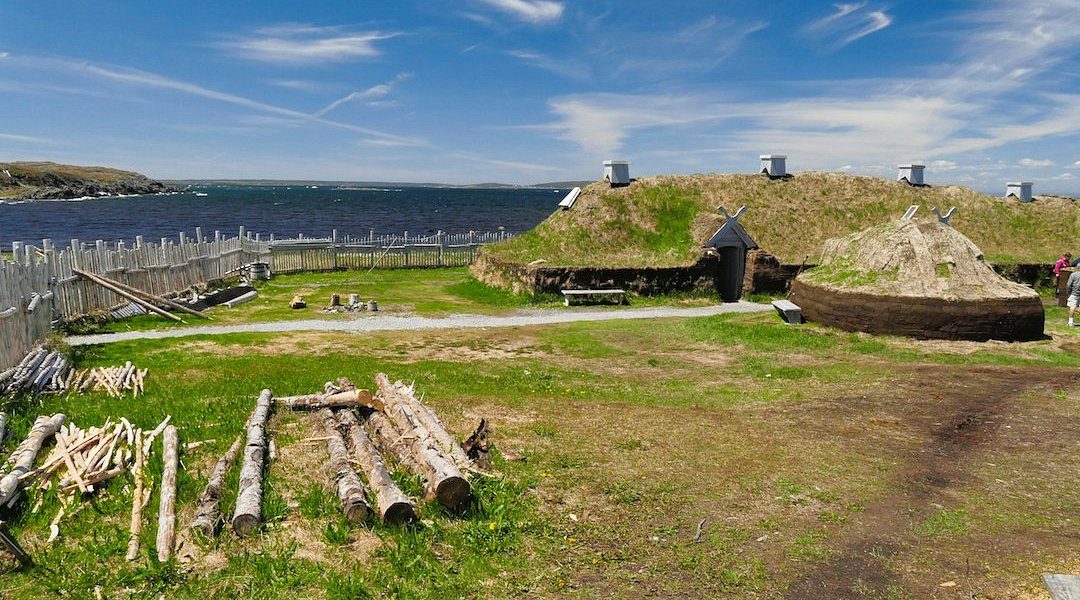
L'Anse aux Meadows National Historic Site combines archaeological remains with reconstructed Norse buildings and interpretation. Give the visit time to understand the evidence and context rather than treating it as a photograph beside a turf building. Parks Canada lists the 2026 season as June 1 to October 2, open daily from 9 a.m. to 5 p.m., and describes a Viking Encampment where costumed interpreters guide visitors through a recreated base camp. Confirm the dates and hours for your visit.
Check current hours and programs before choosing the day. Guided interpretation, living-history demonstrations and evening experiences may have different arrangements. A park being open does not mean every program operates at every hour or throughout the season.
The historic site is reached using Route 436 from the northern part of the Route 430 approach. Save the exact directions and visitor parking information. Keep the return to the campground straightforward, especially if attending a later program.
Respect marked archaeological areas and current visitor routes. A reconstructed building in a photograph does not imply unrestricted access to surrounding land. The most rewarding visit combines the landscape with interpretation of the site's significance.
A seven-day core itinerary from Deer Lake
Day 1: Deer Lake to the Gros Morne base. Complete supplies, reach the booked campground and enjoy a modest local outing. The mainland ferry approach is not included in this starting day.
Day 2: A full Gros Morne activity day. Choose one principal walk or booked experience, with the required transport and weather checks. Day 3 moves north to a suitable peninsula transit base, with one local visit if time permits.
Day 4: Continue to the northern base. Fuel as planned, reach camp and keep the evening local. Day 5 is the L'Anse aux Meadows visit, with another short activity only if the schedule remains comfortable.
Day 6: Begin the southbound return. Use a practical overnight rather than promising to cover every remaining kilometre after a morning excursion. Day 7 returns to the Deer Lake area.
This is a focused core trip with limited Gros Morne and northern time. It does not include Port aux Basques travel or ferries. Add nights if a boat tour, Tablelands branch or additional history visit is a priority.
A ten-day core itinerary
A ten-day version adds a second full Gros Morne day, another northern activity day and a more flexible southbound stage. Start with Days 1–3 at the Gros Morne base, using the two full days for different experiences.
Use Day 4 for the peninsula transit stage and Day 5 to reach the northern base. Day 6 is L'Anse aux Meadows, while Day 7 supports a selected community, coastline or booked excursion. Keep at least part of it weather-flexible.
Begin returning on Day 8, with a suitable overnight and optional modest local stop. Day 9 can provide a final Gros Morne-region stay if it fits the route, and Day 10 returns to Deer Lake.
The southbound journey can include places skipped northbound, but it is still a return drive. Do not fill it so heavily that the final day becomes a rush. Calculate campground-to-campground mileage before accepting the sample structure.
Mainland ferry trips and the final return
A twelve- to fourteen-day mainland trip can combine ferry travel, the western approach and a focused core route. The exact arrangement depends on sailings, sleep, mainland starting point and the amount of park time. Some travellers will need longer. For a longer journey east, see the Trans-Canada RV route: east half guide.
Reserve separate days or adequate stages for Port aux Basques–Deer Lake travel on both ends. Keep the final Newfoundland night positioned for the ferry check-in, and allow the complete drive to the terminal. A morning departure from the far northern peninsula is not a sensible shortcut to a tightly timed sailing.
A Labrador extension is another separate itinerary involving its own ferry and travel arrangements. It should not be added casually to the Viking Trail schedule. If that region is important, add nights and research the connection independently.
Before leaving the final campground, complete authorized tank tasks, inspect the RV and check ferry status. Keep needed onboard belongings accessible. The trip is complete only when the return crossing and drive home remain comfortable.
Fuel, tanks, weather and the budget
Budget the entire return mileage, ferry vehicle fare, passengers, accommodation, campground nights and selected experiences. Core Deer Lake figures omit the mainland and western-island approach. Current quotations are more useful than an old traveller's total. Our list of big-rig-friendly campgrounds is a good place to start if you tow a long trailer or drive a large motorhome. Our RV fuel planner can help you budget fuel for the longer stages. More best RV trips in Newfoundland and Labrador are listed on our trips page.
Plan services at the chosen campgrounds and confirm any non-guest dump access. Shared water taps are not the same as hookups, and some campgrounds lack an onsite disposal station. Keep enough tank capacity for the nights between authorized facilities.
Wind, rain and coastal visibility can change activities and driving conditions. Check current road and park notices, carry layers and keep a lighter alternative. Icebergs and wildlife are seasonal possibilities, not promised sightings; book an operator for the actual dates and conditions.
Save confirmations and maps offline and verify the local time used for every sailing or program. Newfoundland's clock differs from Nova Scotia's, so confirm terminal times directly. A clear return plan and generous travel buffer are the most valuable final checks.
Frequently asked questions
Where does the Viking Trail begin?
The core route begins at Deer Lake, where Route 430 branches from the Trans-Canada Highway. L'Anse aux Meadows is reached through the northern peninsula and Route 436. A mainland arrival adds ferry and western Newfoundland approach travel.
How far is Deer Lake to L'Anse aux Meadows?
Parks Canada lists about 433 km for the main approach. Side trips, campground roads and the southbound return add distance. Broader tourism routes can quote longer totals because they include additional branches.
How long should the trip take?
Allow seven to ten days for the core Deer Lake return itinerary. A mainland-based trip generally needs twelve to fourteen days or more with ferries and approach roads. Add time for several major Gros Morne activities or a Labrador extension.
Can we sleep inside the RV on the ferry?
No. Marine Atlantic prohibits sleeping in vehicles, and passengers cannot return to the vehicle deck while underway. Arrange passenger accommodation and carry needed belongings before leaving the vehicle. Check pet arrangements separately.
What RV propane check is needed?
Review Marine Atlantic's current policy and confirm the actual equipment configuration directly. Its published RV limit is a maximum of two tanks totalling no more than 65 litres, secured with valves shut. Portable barbecue wording is separate.
Does Western Brook Pond require walking?
The normal approach is approximately 3 km from parking to the dock, with the same return walk. The boat trip and waiting time are additional. Confirm bookings, conditions and any mobility assistance with the operator.
Is the route a northern loop?
No. The core route generally requires a southbound return along Route 430. Reserve return stages from the start, particularly when a ferry booking fixes the final departure date.
Official sources
Rules, fees, and services change. Check these directly before you travel.
- Marine Atlantic: routes, quotes and sailing notices.
- Ferry check-in information: current arrival requirements.
- Marine Atlantic safety policies: identification and RV fuel guidance.
- Travelling with pets: onboard pet arrangements.
- Gros Morne National Park: trails, notices and visitor planning.
- Gros Morne camping: campground services and reservations.
- Western Brook Pond tour: operator bookings and approach information.
- Pistolet Bay Provincial Park: northern camping.
- L'Anse aux Meadows: current historic-site operation.
- Newfoundland and Labrador 511: road conditions.