
The short answer
Halifax to Cape Breton by RV combines a mainland transfer with several distinct island experiences: Baddeck and the Bras d'Or Lake area, the Cabot Trail, and an optional visit to Louisbourg. It works best as a seven- to ten-day trip with a clear return plan, rather than a long drive followed by a rushed lap of the Highlands.
Allow roughly 350–400 km from the Halifax area to Baddeck, depending on departure and campground addresses. Four and a half to six hours is a useful RV driving allowance before substantial stops. A sample return trip including the Cabot Trail and Louisbourg can reach roughly 1,100–1,300 km, with additional mileage for local outings.
This guide focuses on the complete Halifax-based trip. The separate Cabot Trail guide covers the mountain loop in greater depth. Use both together, but avoid counting the same travel days twice when making the reservations.
Trip at a glance
| Planning item | What to expect |
|---|---|
| Main mainland route | Halifax area → Highway 102 → Highway 104 → Canso Causeway |
| Island gateway route | Highway 105 toward Baddeck |
| Halifax–Baddeck distance | About 350–400 km one way |
| RV transfer allowance | 4.5–6 hours before longer stops |
| Suggested return trip | 7–10 days |
| Main island bases | Baddeck, west/east Highlands, optional Louisbourg area |
| Ferry requirement | None for the described road trip |
| Main planning decision | How much city, loop and fortress time to include |
The distance to Baddeck is the beginning of the island portion, not the complete trip. Add the loop, campground access, Louisbourg detour and return before calculating fuel or rental allowances. A ten-day plan gives more room for those separate experiences.
Start with the Halifax arrangements
If renting, give the handover, loading and first shopping trip adequate time. Learn the vehicle's height, hookups, tank controls and driving behaviour before joining the main highway. Do not schedule a distant island campground arrival around an optimistic pickup time. If you are collecting a rental, our RV rentals page explains how renting works.
A Halifax-area campground night can make the departure more comfortable. Halifax West KOA in Upper Sackville is one option to compare, with site categories to verify for your actual RV. It is a campground outside the centre, so any Halifax sightseeing needs a separate transport plan.
If the waterfront or a city attraction matters, allow a full sightseeing day and leave the RV at its base where practical. Confirm smaller-vehicle parking or transit access rather than taking a tall rig toward a covered garage. Timed attraction bookings should follow, rather than precede, that transport decision.
Buy groceries for the first travel stage and check rental return obligations before leaving. Fuel, cleaning and tank requirements can affect the last day as much as the first. Keep a final-night plan near the depot if the return deadline is early.
The mainland drive: Halifax to the causeway
The usual highway approach heads toward Highway 102, then Highway 104 through the mainland toward the Canso Causeway. Save the route from the actual campground or rental depot because Halifax-area starting points can change the first part of the drive. Our RV fuel planner can help you budget fuel for the longer stages. Our directory lists campgrounds across Nova Scotia.
Choose one useful break around the mainland corridor, with parking that accommodates the full combination. A fuel stop with a straightforward exit may be more valuable than a scenic detour requiring awkward turning. Keep a second option if the preferred lot is full.
The Antigonish and Port Hawkesbury areas are useful service reference points before deeper island travel. Check the particular business and vehicle access rather than assuming every fuel station suits a long trailer. Complete the major supply tasks where choice and space are manageable.
The causeway provides road access to Cape Breton; no ferry booking is needed for this route. Follow current traffic controls and road notices, then continue to the booked island base. Crossing onto the island is not the end of the driving day if your campground is farther along Highway 105.
Baddeck: a worthwhile first island base
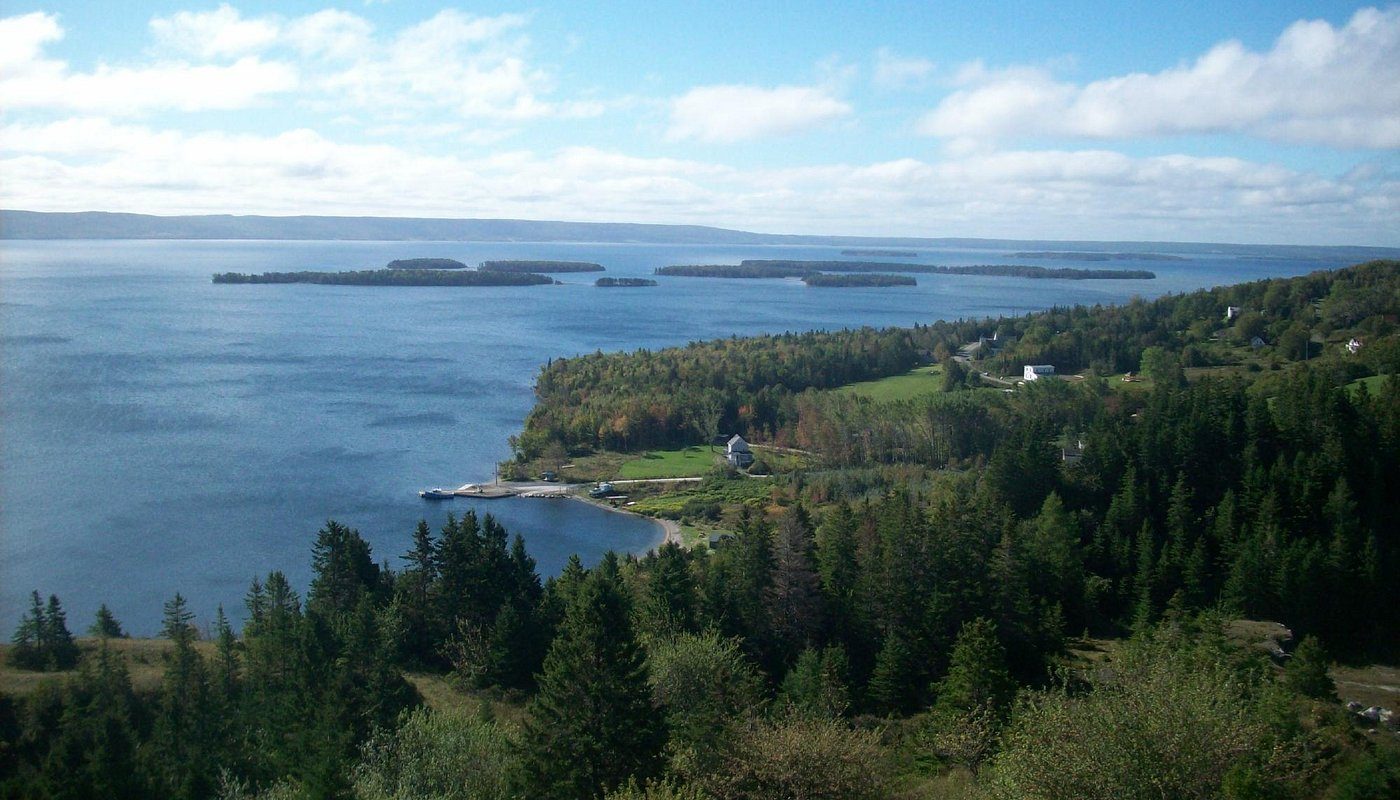
Baddeck suits the transition from highway travel to slower sightseeing. A two-night base creates a complete local day before the mountain loop. You can rest, organize park bookings and explore without immediately breaking camp again. Our directory lists campgrounds in Whycocomagh, west of Baddeck on Highway 105.
Baddeck Cabot Trail Campground west of Baddeck is one concrete private option to investigate. Confirm the exact RV site, hookups and entrance instructions with the operator. A location near a named route does not establish walking access to the town's attractions.
The Alexander Graham Bell National Historic Site can anchor a Baddeck day. Check the current exhibits, programs and visitor arrangements, then leave time for the waterfront or a meal. It is a separate visit, not merely a roadside photograph stop.
The Bras d'Or Lake setting also offers a slower day for travellers who prefer scenery and communities to multiple hikes. Choose a legal viewpoint or a booked local experience with suitable parking. Avoid treating the entire lake area as one short excursion without checking actual road distances.
Decide whether Louisbourg belongs in this trip
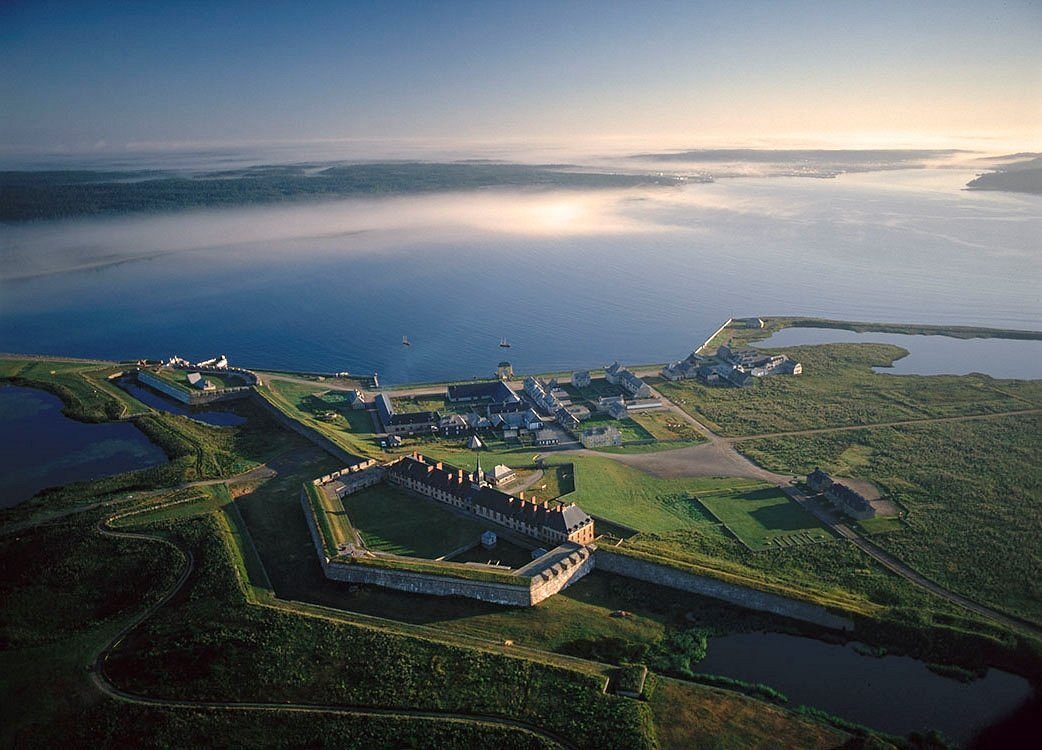
Louisbourg is a different destination from the Cabot Trail and needs its own routing. It sits on Cape Breton's eastern side and involves additional travel from Baddeck or the Highlands. Add it because the history interests the group, not because it appears on every Cape Breton attraction list. Our directory lists campgrounds in the Sydney area, the nearest large centre to Louisbourg.
The Fortress of Louisbourg National Historic Site deserves substantial visiting time. Check current programs, seasonal operation, admissions and the arrival arrangements before choosing the day. Different parts of the season can offer different experiences.
A nearby campground night can keep the visit from becoming a long out-and-back excursion. Alternatively, a suitably located east-island base can support the visit in a smaller vehicle. Calculate the drive from the actual accommodation rather than a general “Cape Breton” location.
If seven days is the maximum and you also want Halifax sightseeing and several hikes, consider leaving Louisbourg for another trip. Ten days provides a much better fit. A route with fewer transfers is often more enjoyable than one that touches every region briefly.
Cabot Trail camping within the larger itinerary
Use a west-side and an east-side base if you plan to drive the complete loop. Chéticamp and Broad Cove are useful national-park campgrounds to compare, with equipment fit and services checked per site. Book the camping direction around actual availability. Parks Canada lists seven frontcountry campgrounds in Cape Breton Highlands National Park. The table in the Cabot Trail guide shows which can be reserved, and our directory lists campgrounds in the national park area.
A single Baddeck base can suit some shorter island outings, but it does not remove the mileage of repeated drives toward distant Highlands attractions. If the main interest is the full loop, a few nights on the loop reduce backtracking and leave more daylight for walks.
Keep mountain transfer days modest. The road includes grades and curves, so use the manufacturer's guidance for descent control and avoid filling the day with every viewpoint. A scenic route is still a driving task, particularly with a trailer.
For Skyline, check the current parking rules before scheduling the hike. The published June 26–October 25, 2026 period requires a reservation and an appropriate vehicle category. Do not assume a park campsite includes it. Use the dedicated Cabot Trail guide and official park information to complete that booking.
A seven-day return trip from Halifax
Day 1: Halifax area to Baddeck. Make the mainland transfer the main task. Stop for a proper break, reach the booked campground and settle in. If the rental handover is late, use a mainland or Halifax-area overnight and adjust the schedule.
Day 2: Baddeck and the Bras d'Or setting. Visit the Bell historic site or choose one local experience. Keep the afternoon flexible and prepare for the loop rather than adding a long side trip.
Day 3: Baddeck to the Chéticamp side. Travel the chosen clockwise approach and set up at the west-side base. A short local outing can fit after arrival.
Day 4: West-side activity day. Choose one hike or booked experience, with suitable parking and weather. This extra night prevents the principal walk from competing with the mountain transfer.
Day 5: Cross the Highlands to the Ingonish side. Drive with a small number of appropriate stops. Day 6 completes the loop toward Baddeck, with a modest east-side activity if time permits. Day 7 returns to the Halifax area.
This seven-day plan prioritizes Baddeck and the Cabot Trail. It does not include a full Louisbourg day or a separate Halifax sightseeing day. Add nights for those interests rather than compressing them into the final transfer.
A ten-day return trip with Louisbourg
Use Day 1 for arrival or Halifax setup and Day 2 for the mainland transfer to Baddeck. Day 3 is the local Baddeck visit. This arrangement suits rental travellers who need a calm start and visitors who want some Halifax time.
Move to the Chéticamp base on Day 4, keep Day 5 for a west-side outing, then cross to the Ingonish side on Day 6. Day 7 allows an east-side activity before returning toward an appropriate central or eastern island base.
Use Day 8 for the Louisbourg-area transfer and a modest local visit. Day 9 is the principal fortress day. Arrange the night's campground so the visit ends without a long drive back across the island.
Day 10 returns to the Halifax area. Verify the exact mileage from your final base and the rental deadline. If that day would combine a long drive with a rigid morning return, add a Halifax-area night and make the handover the following day.
A ten-day label is a planning structure, not a guarantee that every starting arrangement fits. Extra ferry travel elsewhere in Atlantic Canada, a late rental pickup or multiple long hikes can justify another night.
An alternative for travellers who prefer fewer moves
You do not have to complete the Cabot Trail to enjoy Cape Breton. A slower trip can use Baddeck and one east-island base, with local history, lake scenery and Louisbourg. This can suit travellers who prefer museums and communities to several mountain transfers.
Another option is Baddeck plus one Highlands side, with several nights at the chosen park campground. You will miss part of the loop, but gain time for weather, beach surroundings and walks near the base. Map the return so it remains a straightforward road stage.
For mixed-interest groups, choose the two experiences everyone most wants and build around them. A fortress day and a shorter park stay can be a better match than several demanding hikes. Campground comfort and manageable travel usually matter more than completing a checklist.
This alternative also reduces repeated packing for trailer travellers. Fewer setup days create more time at the destination and reduce the number of unfamiliar approaches. Make the decision before reserving nights scattered across the island.
Overnight stops and equipment fit
Inspect every campsite's equipment limit and layout. Full travelling length, tow vehicle space, electrical needs and access roads all affect suitability. A pull-through category can make setup easier, but it does not automatically confirm full hookups or enough space for every combination. Our list of big-rig-friendly campgrounds is a good place to start if you tow a long trailer or drive a large motorhome.
Private campgrounds around Baddeck and the eastern island can complement national-park stays. North Sydney/Cabot Trail KOA in New Harris is another option to assess for an east-island or onward-ferry itinerary. Use its actual location when calculating drives.
For provincial alternatives, consult current Nova Scotia Parks listings and site descriptions. Campground seasons differ, and a late September trip may have fewer options than midsummer. Do not book a sightseeing plan before confirming the places to sleep.
If the final mainland return feels too long, split it with an authorized campground overnight. A night near the highway corridor can be more useful than an extra attraction stop. Never assume a rest area or terminal permits the overnight stay you need.
Fuel, groceries and a sensible resupply rhythm
Shop before the first long transfer, then use Baddeck or another practical service centre for island resupply. Chéticamp and Ingonish can support loop planning, while larger east-island centres may suit the Louisbourg portion. Check exact hours and forecourt access. For propane basics, see our RV propane rules for Canada page.
Do not make fuel an end-of-day emergency. Fill before longer scenic stages, particularly when the next stop is a park campground. A station's existence is only part of the decision; clearance and a safe exit for the complete rig also matter.
Carry meals that work after a driving day. A simple dinner at camp removes the pressure to find a restaurant with RV parking after office hours. Keep packed-lunch supplies for walks and the coastal transfer.
Seafood and local meals can still be highlights. Choose them as relaxed outings from a base, with appropriate transport and time. Separate the main grocery run from a small-town food experience so shopping does not become a difficult parking exercise.
Dump stations, water and power
Use the sequence of campsite services to plan tanks. A full-hookup private stay can be convenient between national-park nights, while electrical-only or unserviced sites require enough freshwater and holding capacity. Confirm facilities for the selected site category. Browse campgrounds with dump stations to compare your options.
Ask about authorized dump and fill access before using a campground where you are not staying. A highway service area is not automatically an RV service station. Keep the final rental-return tank requirements visible throughout the trip.
Complete tank tasks before a long transfer and allow for normal queues. Protect drinking-water equipment from sewer fittings and follow the operator's instructions. Avoid scheduling a timed attraction immediately after checkout when these chores may take longer than expected.
Check electrical amperage and equipment requirements before relying on air conditioning or other essential appliances. Generator permissions and quiet hours vary. Book appropriate service rather than assuming power can always be supplied through an unrestricted generator.
Weather, seasons and campground dates
June through September is a useful broad first-visit season, with the greatest choice usually in summer. Late-season trips can be rewarding but require checking each campground and attraction separately. An open road does not mean the whole tourism schedule continues unchanged. More best RV trips in Nova Scotia are listed on our trips page.
Cape Breton weather can alter hikes and coastal views, while the mainland highway transfer has its own traffic and roadwork variables. Review current notices before each driving stage. Keep one lighter day in a longer trip so a weather-dependent outing can move.
Pack layers and rain gear even if Halifax begins warm. The living area should have a plan for damp clothes and indoor meals. Outdoor cooking and campfires are optional, subject to wind, restrictions and campground rules.
October events and foliage can attract visitors, so quieter weather does not guarantee easy campground availability. Check the actual dates and booked services. Do not infer future-year openings from a previous season's calendar.
Halifax return, budget and onward ferry travel
Treat the Halifax return as a travel stage. Budget its kilometres, breaks and potential congestion, especially if the last campground is near Louisbourg rather than Baddeck. A fuel and dump stop near the depot may require additional time. If you have extra days near Halifax, Nova Scotia Lighthouse Route by RV covers the South Shore. For a longer journey across the country, see the Trans-Canada RV route: east half guide.
If continuing to Newfoundland instead, plan North Sydney as a separate ferry departure. Marine Atlantic bookings, check-in, identification and vehicle requirements are independent of the Cape Breton itinerary. Do not assume a campground's advertised proximity lets you arrive at the terminal at the last moment.
For the road trip itself, budget campsite nights, fuel, park admissions and chosen experiences. Prices and promotions change, so use current booking totals. Reserve only activities you can reach comfortably from the actual bases.
Save confirmations and return directions offline, and keep the vehicle dimensions accessible. Before the final departure, inspect the RV, secure the interior and review the driver's energy. A comfortable final day is part of a successful trip, not spare time to fill.
Keep the last evening practical
Before the final island night, check the return route, weather and any campground departure tasks. Prepare an easy breakfast, secure loose equipment and identify a suitable fuel stop. That keeps the morning from becoming a sequence of errands added to a long highway drive.
If returning a rental, confirm the depot's actual address and handover window again. A final Halifax-area overnight can separate the road journey from cleaning and unloading. Choose this when the deadline or driver's comfort makes it useful, rather than relying on an uninterrupted return from the island.
More route guides: New Brunswick Fundy Coast by RV and PEI Coastal Loop by RV.
Frequently asked questions
How far is Halifax to Cape Breton by RV?
Allow roughly 350–400 km from the Halifax area to Baddeck, depending on your departure and campground addresses. The Cabot Trail, Louisbourg and return journey add substantial distance. Map the complete itinerary before budgeting fuel or rental mileage.
How many days should we allow?
Seven days suits a focused return trip around Baddeck and the Cabot Trail. Ten days makes room for Halifax setup and Louisbourg. Add time if a rental return, ferry journey or several longer hikes create tight travel stages.
Do we need a ferry to reach Cape Breton?
No. This road itinerary uses the Canso Causeway. A later journey to Newfoundland or another Atlantic destination has separate ferry arrangements and should be planned independently.
Can we stay in Baddeck for the whole visit?
Yes, for a focused local trip, but distant Highlands or Louisbourg outings can involve substantial return driving. Overnight bases closer to the main activities reduce backtracking. Use actual addresses to compare the options.
Is Louisbourg part of the Cabot Trail?
No. It is a separate eastern Cape Breton destination requiring additional routing and visiting time. A ten-day trip can include it comfortably, while the seven-day example prioritizes the loop.
Does a campsite reserve Skyline parking?
No. Skyline's seasonal parking reservation is separate. Check the current dates and correct category for the sightseeing vehicle before scheduling the hike.
Can this connect to Newfoundland?
Yes. Allow a separate North Sydney ferry stage and verify Marine Atlantic's current bookings, check-in and RV requirements. The Newfoundland Viking Trail guide explains the additional island approach and return planning.
Official sources
Rules, fees, and services change. Check these directly before you travel.
- Nova Scotia 511: road conditions and works.
- Halifax West KOA: Halifax-area campsite information.
- Baddeck Cabot Trail Campground: private campground enquiries.
- North Sydney/Cabot Trail KOA: New Harris campground options.
- Alexander Graham Bell National Historic Site: Baddeck visitor arrangements.
- Fortress of Louisbourg: current programs and operation.
- Cape Breton Highlands National Park: park notices, activities and camping.
- Nova Scotia Parks reservations: campground dates and bookings.
- Marine Atlantic: separate onward-ferry planning.