
The short answer
The Cabot Trail is one of Canada's most rewarding coastal RV drives when you give the loop several days and choose campsites that fit your equipment. The main circuit is about 300 km around northern Cape Breton, with Baddeck commonly used as a starting and finishing point. Those kilometres include mountain roads, communities and tempting viewpoints, so the experience is very different from a 300 km motorway transfer.
Allow three to five days on the loop, plus travel to and from Cape Breton. A two-day circuit is possible for a focused driving trip, but it leaves little room for hiking, weather changes or relaxed campground mornings. For a first RV visit, five days creates a much more comfortable rhythm.
The main practical issues are grades, campground fit and sightseeing parking. Choose the camping route first, check current park and road notices, then build activities around those bases. If you are coming from the mainland, see Halifax to Cape Breton by RV for the drive to Baddeck, or the Trans-Canada RV route: east half guide for a longer journey.
Trip at a glance
| Planning item | What to expect |
|---|---|
| Main loop distance | About 300 km, before side trips |
| Pure driving allowance | Roughly 6–8 hours, spread over several days |
| Recommended time | 3–5 days on the loop |
| Common gateway | Baddeck |
| Main park bases | Chéticamp on the west; Broad Cove near Ingonish on the east |
| Main driving concern | Steep climbs, descents, curves and weather |
| Best general season | June–September; early October for foliage |
| Ferry requirement | None for the main loop |
The loop estimate does not include a trip from Halifax or a northern side road such as the approach to Meat Cove. Add campground access and the travel to Cape Breton when calculating fuel or rental mileage. A return trip from Halifax is covered separately in the Halifax to Cape Breton guide.
Understand the loop before choosing a direction
For a clockwise circuit, a useful outline is Baddeck → Margaree area → Chéticamp → the Highlands' western and northern sections → Ingonish → Baddeck. A counterclockwise itinerary reverses this sequence, reaching the Ingonish side before crossing toward Chéticamp.
Either direction involves mountain driving. Do not choose solely from a claim that one direction eliminates difficult grades; the important preparation is a well-maintained vehicle, appropriate driving technique and a modest daily plan. Views change with direction, but weather and traffic can matter more on the day.
Clockwise can suit visitors who want an early west-side base and a Skyline outing before moving east. Counterclockwise may work better with east-side campsite availability or an onward destination. Use actual reservation dates to settle the direction rather than forcing the campground bookings to match an abstract preference.
Keep the vehicle dimensions available and check the final approach to every campground. Navigation should target the booked entrance, not just the nearest community. Download the loop map before departure because a lost mobile signal is an inconvenient time to decide which branch of a road you meant to take.
Mountain grades and a manageable driving day
French Mountain, MacKenzie Mountain, North Mountain and the Cape Smokey area are useful names to recognize while reviewing the route. Expect climbs, descents and bends rather than treating the scenic road as a constant-speed cruise. Current signs and road conditions take precedence over any written itinerary.
Have brakes, tires and the towing setup in good condition before beginning the loop. Use the RV or tow vehicle manufacturer's guidance for gear selection and descent control. Avoid continuously riding the brakes, and maintain a speed that allows you to handle a curve without abrupt manoeuvres.
Leave room for the complete combination, including a trailer's tracking through bends. Cyclists, wildlife and vehicles turning into viewpoints add to the driving task. If traffic accumulates behind you, use a suitable legal pullout when safe rather than stopping unexpectedly on the road.
Limit transfer days to a few meaningful stops. Repeatedly entering tight lots can be more tiring than the headline mileage suggests. A scenic view is only an RV stop when the parking and entrance actually work; otherwise, enjoy it as part of the drive.
RV size: road access and parking are different questions
An RV can travel the main Cabot Trail, but that does not mean every campsite, viewpoint or side road accepts every rig. Record the full travelling length, height and towing combination. Check individual sites and parking categories rather than relying on a broad description such as “motorhome friendly.” Our list of big-rig-friendly campgrounds is a good place to start if you tow a long trailer or drive a large motorhome.
A large motorhome may benefit from using established serviced campground bases and a separate vehicle for some outings. A trailer allows you to detach the tow vehicle after setup. Without a separate car, keep the itinerary focused on places with confirmed suitable parking.
Do not use a narrow shoulder as a substitute for a viewpoint lot. Avoid entering a small road unless you know how the vehicle will turn around. If a side-trip operator cannot confirm access for your equipment, choose another activity or leave the RV at camp.
The main paved circuit and the northern side roads are separate decisions. Meat Cove should not be treated as an automatic stop for a large rig. Seek current local advice on the whole approach, surface, turning space and campground eligibility before adding it to the itinerary.
Park campgrounds at a glance
Parks Canada’s camping page, checked in October 2026, lists seven frontcountry campgrounds in Cape Breton Highlands National Park. The 2026 camping season runs from May 15 to October 26. Four campgrounds can be reserved and three are first come, first served.
| Campground | Sites | How to book | Listed amenities |
|---|---|---|---|
| Broad Cove (Ingonish) | 202, plus 6 oTENTiks | Reservable | Showers, flush toilets |
| Chéticamp | 97, plus 10 oTENTiks | Reservable | Showers, flush toilets |
| Ingonish Beach | 60, plus 4 oTENTiks and 1 tiny cabin | Reservable | Showers, flush toilets |
| Mkwesaqtuk/Cap-Rouge | 47, plus 5 oTENTiks and 2 tiny cabins | Reservable | Showers, flush toilets |
| Corney Brook | 22 | First come, first served | Flush toilets |
| MacIntosh Brook | 10 | First come, first served | Flush toilets |
| Big Intervale | 5 | First come, first served | None listed |
Those are total site counts. The page does not break them down by hookup type and gives no maximum equipment length or dump-station details, so confirm all three for the exact site category before you book. Reserve at reservation.pc.gc.ca or by phone at 1-877-737-3783. Camping seven or more consecutive nights earns a 15% discount. Treat the first-come campgrounds as a backup rather than the plan, especially for a large rig.
West-side camping: Chéticamp as a practical base
Chéticamp Campground is a useful west-side national-park base to compare. Its camping categories include different service arrangements, and the setting combines wooded and open areas. Review the actual site listing for equipment length, hookups and access. Our directory lists campgrounds in and around Cape Breton Highlands National Park and campgrounds in Whycocomagh on the Highway 105 approach.
Being near the western park entrance makes it practical for an unhurried first park day. You can settle in, check visitor information and plan a west-side activity without crossing the Highlands immediately after arriving. The campground is a base; it does not make every trail or community stop reachable on foot.
The Chéticamp community is useful for food and fuel planning. Choose a station with appropriate vehicle access and shop before a longer mountain transfer. Confirm opening hours and propane filling arrangements separately if your RV needs them.
Reserve the site category that supports your stay. An electrical need should be reflected in the booking rather than left to an assumed generator workaround. Check campground quiet rules, current fire restrictions and water or waste arrangements before arrival.
East-side camping: Broad Cove and Ingonish Beach
Broad Cove Campground near Ingonish provides another strong shortlist option, with serviced and unserviced choices. Confirm the full service combination and vehicle fit for the selected pad; amenities differ by category.
An east-side stay gives you time for beach surroundings, nearby walks and a slower day before leaving the loop. Plan individual outings using current park information. A campground's attractive setting does not guarantee a short walk to every place described as “near Ingonish.”
Ingonish Beach Campground is worth comparing if the location suits your interests, but review its accommodation types carefully. Do not infer electrical hookups from electricity being available in shared buildings or from a neighbouring campground's facilities.
Smaller park campgrounds have their own limits. Corney Brook, for example, has 22 sites and flush toilets, and it is first come, first served, so you cannot reserve it. The park page does not list its equipment limits or hookups, so check its current listing before counting on it for a large RV.
Skyline Trail: the current booking check

For June 26–October 25, 2026, Skyline Trail access requires a confirmed parking reservation. RVs over 6 m/20 ft must select an oversized space; availability is limited. Vehicles over 9.75 m/32 ft have no same-day parking availability. Check your complete configuration directly with the park. Parks Canada’s March 2026 announcement describes four-hour parking time slots, with the first entry at 8:00 a.m. and the last at 5:00 p.m. Parking cost $13 online or $15 by phone, including the reservation fee. The trail is 6.5 km, or 8 km with the back loop, so plan for two to three hours on foot.
Use the official Skyline information for arrival windows and current policies. Drop-offs and roadside parking are prohibited. A campsite booking is not a Skyline parking booking, and the 2026 dates should not be assumed to define a future season.
Make Skyline optional if suitable parking cannot be secured. Plenty of other park experiences can anchor the day. A dramatic viewpoint deserves proper planning, but one unavailable reservation should not overturn an otherwise enjoyable circuit.
A focused three-day loop
Day 1: Baddeck to the west-side base. Travel through the Margaree area toward Chéticamp, with a suitable meal or community stop. Set up at camp and use the afternoon for a modest local outing. If Skyline is booked, ensure the timing leaves realistic travel and arrival buffer.
Day 2: Chéticamp to the Ingonish side. Make this the principal mountain transfer, with a small number of suitable viewpoints and a proper break. Arrive at the east-side campground while there is time to settle in. Save a longer hike for a separate stay rather than combining it with every scenic stop.
Day 3: Enjoy a short east-side outing and return to Baddeck. Choose an activity that fits the departure tasks and remaining daylight. Complete authorized tank service before leaving the campground if needed, then follow the final section of the loop at a comfortable pace.
This plan provides two campground nights and limited activity time. Add a night if the group wants a substantial hike, a guided outing or a relaxed beach day. Travel from Halifax is additional and should not be folded into the first morning without checking the total day.
A relaxed five-day loop
Day 1 is arrival at the west-side base. Day 2 stays on the west, with one main walk or booked experience and a quiet campground afternoon. This arrangement keeps the first full park day from becoming a transfer.
Day 3 crosses the Highlands to the Ingonish side. Choose a few suitable stops, keep the driver rested and allow for weather. A two-night east-side booking means you can unpack without immediately preparing to leave again.
Day 4 is an east-side activity day. Compare current options such as Middle Head, a beach visit or another park walk against your group's mobility and weather. Choose one main outing and leave the remainder of the day flexible.
Day 5 returns toward Baddeck. A modest final stop can fit, but keep time for tank tasks and onward travel. If the trip continues toward Halifax, decide whether Baddeck becomes another overnight rather than committing to the full mainland transfer after a morning activity.
Choose walks for the group, not the photograph
Cape Breton Highlands offers a range of walking routes. Consult the current trail descriptions for length, effort, surfaces and closures. Skyline, Franey, Middle Head and other familiar names are different experiences, not interchangeable short walks.
Plan around the least confident walker and allow time for uneven ground, wind or photo pauses. Carry water, a weather layer and saved route information. A beach walk can be as satisfying as a longer climb when it better suits the party.
Check pets and other trail restrictions directly. Do not assume a dog allowed at the campground is permitted on every park trail. If the group splits up, agree on the meeting place and return time before leaving rather than relying on a phone signal.
A wet or windy day is a reason to reassess the route. Shorten the walk, choose another open trail or visit a community. Keep the return distance in mind when deciding whether to continue farther from the trailhead.
Beaches, communities and interpretation
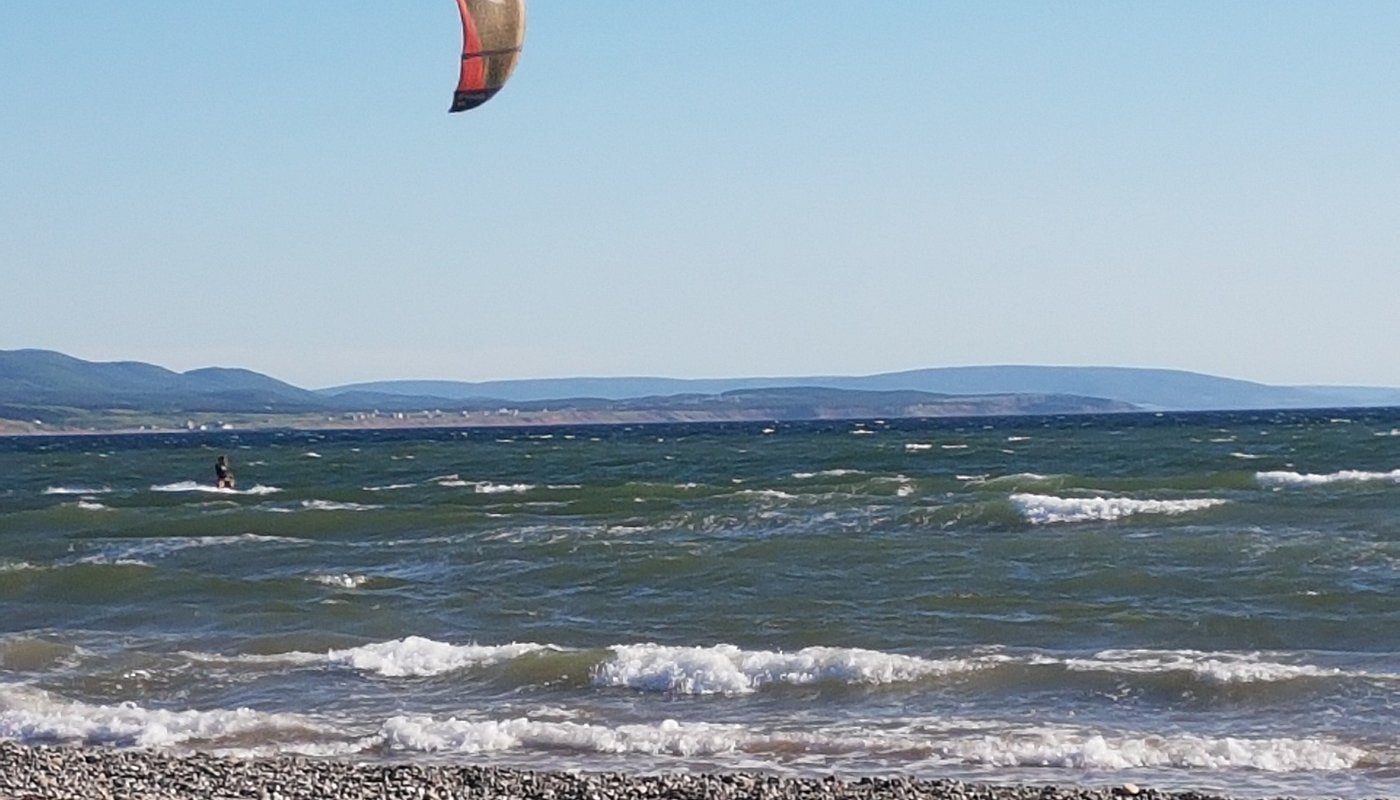
The loop is more enjoyable when it includes time beyond driving and viewpoints. Chéticamp, the Margaree area and Ingonish offer different settings for a meal, local history or an unhurried stop. Check the current visitor offerings rather than expecting every seasonal business to be open.
A booked cultural or guided experience deserves its own time window. Ask about the meeting location and parking for your vehicle. Learning from local hosts can provide context that a scenic drive alone misses, particularly when you leave room to listen rather than rushing onward.
Beach visits need the same practical planning as trails. Check access, posted conditions and any supervised swimming arrangements. Coastal water, wind and surf should guide the day's decision; an attractive beach photograph is not a promise of suitable swimming.
Treat picnic stops as actual destinations with suitable parking. Carry a lunch that can be enjoyed without relying on an open café at exactly the right moment. That keeps the day's pace relaxed and makes an unexpected viewpoint pause easier.
Fuel, groceries and propane
Use Baddeck or another service centre on the approach to complete the main resupply. On the loop, plan further stops around communities such as Chéticamp and Ingonish. Do not enter a mountain stage hoping the next viewpoint includes fuel. Our RV fuel planner can help you budget fuel for the longer stages. For propane basics, see our RV propane rules for Canada page.
Select stations by turning room, clearance and a clear exit for the full combination. A passenger-car navigation result may lead to a forecourt that is awkward for a trailer. Confirm propane filling hours and equipment compatibility separately.
Carry food for the arrival evening and a simple breakfast. Seasonal businesses and late campground arrival can make restaurant plans uncertain. An easy packed lunch also reduces the pressure to find a suitable RV lot at every meal.
If the trip is part of a rental trip, keep the return requirements visible. Our RV rentals page explains how renting works. Refuelling, propane, cleaning and tank rules may be separate obligations. Complete them at authorized locations with enough buffer before the handover deadline.
Water, dump stations and quiet camp routines
Check the selected campsite's actual water and sewer provision. Full hookups can simplify a stay, while electrical-only or unserviced sites need a tank plan. Verify shared potable-water filling and disposal arrangements rather than assuming every campground has identical services. Browse campgrounds with dump stations to compare your options.
Allow time for waste disposal on a transfer morning. Keep potable-water equipment separate from sewer hoses and follow posted instructions. Ask about non-guest access if you intend to service the RV at a campground where you are not staying.
Follow current fire restrictions and buy firewood locally when permitted. A campfire should be optional rather than the only way to prepare dinner. Generator hours and quiet rules need checking before relying on power generation at an unserviced site.
At camp, keep the footprint within the booked site and secure loose outdoor equipment if wind strengthens. A comfortable evening begins with a suitable site and uncomplicated setup, not a need to move the vehicle again to solve a problem that could have been checked earlier.
Best months and a weather buffer
June through September is the simplest broad season for a first camping circuit, subject to each campground's dates. Summer brings longer days and busy reservations. Book the equipment category you need early rather than expecting a popular week to offer every service level. More best RV trips in Nova Scotia are listed on our trips page. For a South Shore coastal trip, see Nova Scotia Lighthouse Route by RV.
Early October can be attractive for foliage and seasonal events, but colours and mild weather are not guaranteed. Some campground and business seasons end sooner than the main road's visitor appeal. Check the actual dates instead of applying one operating season to the whole island.
Fog, wind and rain can change quickly along the coast and Highlands. Check road and park notices each morning, and keep a flexible activity day in a longer stay. A route completed with fewer views is still preferable to forcing a scenic schedule in poor driving conditions.
Prepare layers and practical wet-weather gear. Manage damp clothing inside the RV and leave room for an indoor meal or reading afternoon. A weather buffer is useful only if you have not filled it with non-refundable activities.
Budget, connectivity and the final departure
Budget for the full loop, access mileage, campground nights and any park admission or booked activities. Check current fees directly; seasonal promotions are not permanent policies. Campground reservations and attraction bookings are separate costs. Stops and activities inside the national park need a valid Parks Canada pass, either a daily admission or a Discovery Pass, so check the park’s current admission information for your dates.
Save maps, confirmations and essential contacts offline. Reception can be uneven in the Highlands, and campground Wi-Fi should not be the only way to retrieve the next day's directions. Let someone outside the party know the broad itinerary if appropriate.
Before leaving the last campground, secure the RV interior, inspect connections and complete water or waste tasks. Check the next stage and driver energy. Finishing the loop at Baddeck does not mean the remaining trip home is automatically short.
More route guides: PEI Coastal Loop by RV, New Brunswick Fundy Coast by RV and Montreal to Gaspé by RV.
Frequently asked questions
Can you drive the Cabot Trail in an RV?
Yes, with a suitable vehicle and careful planning for grades, bends and weather. Campsites, viewpoints and side roads have their own limits. Record the complete travelling dimensions and confirm any uncertain approach before driving into it.
How many days should we allow?
Three days gives a focused loop with two camping nights. Five days provides separate west- and east-side activity days and less rushed transfers. Add the journey to Cape Breton and any onward travel outside the loop.
Which direction is best?
Both involve mountain driving. Clockwise often suits an early Chéticamp base, while counterclockwise reaches the Ingonish side first. Choose according to suitable campsite availability, activities and onward plans rather than expecting one direction to remove the grades.
Does Skyline require a separate reservation?
Yes, during its published 2026 reservation period. Confirm the appropriate parking category and current policy through Parks Canada. A campground booking does not reserve trailhead parking.
Are all park campgrounds fully serviced?
No. Service categories and equipment limits differ. Compare Chéticamp and Broad Cove for suitable serviced options, and review Ingonish Beach and smaller campgrounds individually. Confirm water, sewer and electricity for the actual pad.
Is a ferry required?
No ferry is required for the main Baddeck-based Cabot Trail loop. Any optional ferry elsewhere on a wider Atlantic trip, such as North Sydney to Newfoundland, has separate bookings and vehicle requirements. See Newfoundland Viking Trail by RV for that trip.
Can we add Meat Cove in a large rig?
Seek current local guidance on the full side-road approach, surface, turning space and campground eligibility. Do not treat it as a routine main-loop stop. A smaller-vehicle excursion or a different outing may be more practical.
Official sources
Rules, fees, and services change. Check these directly before you travel.
- Cape Breton Highlands National Park: park notices, trails, admission and seasonal services.
- National-park camping: current campground choices.
- Skyline Trail: parking requirements and access guidance.
- Parks Canada reservations: campsite and activity bookings.
- Nova Scotia 511: road conditions and disruptions.
- Destination Cape Breton: community information and visitor planning.