
The short answer
Ottawa to Montreal and Quebec City by RV is best planned as a journey between campground bases, with city sightseeing done on foot, by transit or in a smaller vehicle. The highway distance is manageable; the harder decisions are where to camp and how to reach the places you want to visit without taking a large rig into dense historic streets.
Allow roughly 450–500 km one way between the cities, depending on campground locations and the selected approach. Six to eight hours is a useful overall RV driving allowance before major stops and congestion. Five days gives you a focused one-way itinerary; seven days adds time to explore both Montreal and Quebec City properly.
This is a one-way route guide. If you need to return to Ottawa, add the return kilometres and a separate travel day or overnight stop. A seven-day sightseeing plan should not quietly absorb a long final drive into an already full Quebec City afternoon.
Trip at a glance
| Planning item | What to expect |
|---|---|
| Route sequence | Ottawa → Montreal area → Quebec City area |
| Approximate one-way distance | 450–500 km, depending on bases |
| RV driving allowance | 6–8 hours before longer stops |
| Suggested duration | 5–7 days one way |
| Main Montreal approach | Highway 417 and Autoroute 40, adapted to campground |
| Quebec City options | Autoroute 40 north shore or Autoroute 20 south shore |
| Best city strategy | Leave the RV at camp and confirm visitor transport |
| Useful Quebec excursion | Lévis–Québec ferry as a foot passenger |
Do not choose both campgrounds from attraction distances alone. A site near a highway can be easier to reach with the RV but require a separate commute. The trip works when campground access and sightseeing transport are planned together.
Decide what this trip includes in Ottawa
If you live in Ottawa, begin with a prepared vehicle and treat the first morning as a departure day. If you are visiting Ottawa before continuing east, allow at least one full sightseeing day and a suitable campground night. Do not count a rental handover and a Parliament visit as an uncomplicated half-day. If you are starting in Toronto, see Toronto to Ottawa and Montreal by RV. Our directory lists campgrounds in eastern Ontario and the Ottawa Valley and campgrounds in Gatineau.
Wesley Clover Parks is a useful Ottawa-area campground to investigate, with serviced and unserviced site choices. Availability can be affected by events, so verify your dates and the selected site's amenities. Rideau River Provincial Park provides a more rural alternative south of the city, with a longer sightseeing commute.
For Parliament visits, use the current official tour information. Centre Block remains under rehabilitation, and available experiences take place through other visitor arrangements. A historic photograph of Parliament Hill does not establish which building you can enter during your trip.
Make Ottawa's last evening practical: groceries, tank planning, fuel and the next campground's directions. The point is to leave without interrupting the first highway stage for tasks that were easier to complete while already settled.
Choose Montreal and Quebec City bases
For Montreal, a campground south of the island can work well when the route continues toward Autoroute 20. Montreal South KOA in Saint-Philippe is one concrete option to compare. Review the exact hookup category, vehicle limit and site approach before booking. Our directory lists campgrounds around Montreal, campgrounds near Quebec City and campgrounds in Chaudière-Appalaches, the region that includes Lévis.
Its location is a campground base rather than an assurance of effortless public transport. Ask how visitors currently reach a convenient transit connection or city parking area. Confirm the full journey, including the return after dinner, especially if travelling without a separate car.
For Quebec City, Quebec City KOA Holiday in the Saint-Nicolas area of Lévis is a useful south-shore option. Its RV site offerings include different categories, so check the actual service combination and length allowance. The campground is across the river from the historic city.
A north-shore campground may suit a different approach. Compare alternatives against the planned driving route and daily sightseeing needs rather than assuming one shore is universally better. Two comfortable nights in an accessible base beat repeated moves to chase small distance savings.
Route choices between the cities
The usual Ottawa-to-Montreal corridor follows Highway 417 toward Quebec and Autoroute 40, with the final approach changed to match the booked campground. Do not navigate to central Montreal first and then search for camping. Save the operator's preferred RV approach before departure.
From Montreal to Quebec City, Autoroute 20 on the south shore is practical for many Lévis-area bases. Autoroute 40 on the north shore is another main corridor. Choose using the actual campsite address, construction notices and vehicle routing, not only the name of the destination city.
The Chemin du Roy and Route 138 provide a slower north-shore alternative through historic communities. Use this when you genuinely have time for village stops and have checked parking. It is a scenic choice, not a guaranteed faster escape from highway traffic.
Ask rental operators about vehicle restrictions and check posted clearances, construction and current routing information. If a navigation app proposes an unfamiliar bridge, tunnel or toll road, assess it before committing. Vehicle height and the complete towing combination should be recorded accurately.
A focused five-day one-way itinerary
Day 1: Ottawa to Montreal-area camp. Complete the highway transfer, set up and confirm the next day's transport. If you already explored Ottawa, the evening can be a relaxed campground meal. Avoid making arrival depend on a tightly timed downtown reservation.
Day 2: Old Montreal and the waterfront. Leave the RV at camp and use the agreed smaller-vehicle or transit plan. Choose a walk, an indoor visit and a meal rather than a long list of unrelated neighbourhoods. Return with enough margin for the last connection.
Day 3: Montreal to the Quebec City area. Travel by the selected shore route and check into the next campground. If arrival is early and transport is straightforward, a short Lévis waterfront outing can work. Otherwise, keep the evening local.
Day 4: Old Québec. Make this a full sightseeing day, with a route that acknowledges hills and walking surfaces. A foot-passenger ferry journey can be part of the day if staying south of the river. Reserve timed attractions only after confirming the commute.
Day 5: A second Quebec-area experience and onward travel. Choose a modest outing or begin the return stage. If you are returning to Ottawa, treat the drive as a travel day rather than promising a full city visit first. Add an overnight if that suits the driver.
A more comfortable seven-day itinerary
Seven days gives each city more breathing room. Use the first two days as above, then add Day 3 in Montreal for a different neighbourhood, an indoor attraction or a food-focused outing. The extra night avoids combining all interests into one waterfront walk.
Move the campground transfer to Day 4. Choose either a direct motorway stage or a deliberately slower north-shore drive. Do not alternate between the two repeatedly for scattered stops; that creates unnecessary river crossings and more complicated routing.
Use Day 5 for Old Québec and Day 6 for a second Quebec-area outing. Montmorency Falls, a carefully planned Île d'Orléans visit or more time in the lower town can each fill that day. One well-chosen destination is enough.
Day 7 is the onward or return stage. If the trip must begin and end in Ottawa within seven days, protect this travel time from the start. Travellers who also need a full Ottawa sightseeing day should either lengthen the trip or reduce one of the optional city days.
Montreal: one waterfront day with a clear route
Old Montreal and the Old Port make a useful first-day focus because the walking route can be concentrated rather than scattered across the island. Decide where to begin, which timed attraction matters most and where to eat. Keep the rest flexible.
Check attraction hours and booking requirements directly. A popular indoor visit may need a reservation, while a waterfront walk can remain an adaptable part of the day. Build the route around the fixed booking instead of discovering halfway across the neighbourhood that its entry time is approaching.
The historic streets are better enjoyed without a large RV to park. Use a legal smaller-vehicle lot or a confirmed transit journey, then continue on foot. If travelling in a motorhome without a second vehicle, investigate campground transport options before making a non-refundable sightseeing booking.
Allow for uneven surfaces and a walking pace suitable for the whole group. Frequent breaks and a shorter route can make the day more enjoyable. A waterfront photograph suggests a setting, not the accessibility of every street, attraction or entrance.
A second Montreal day with a different pace
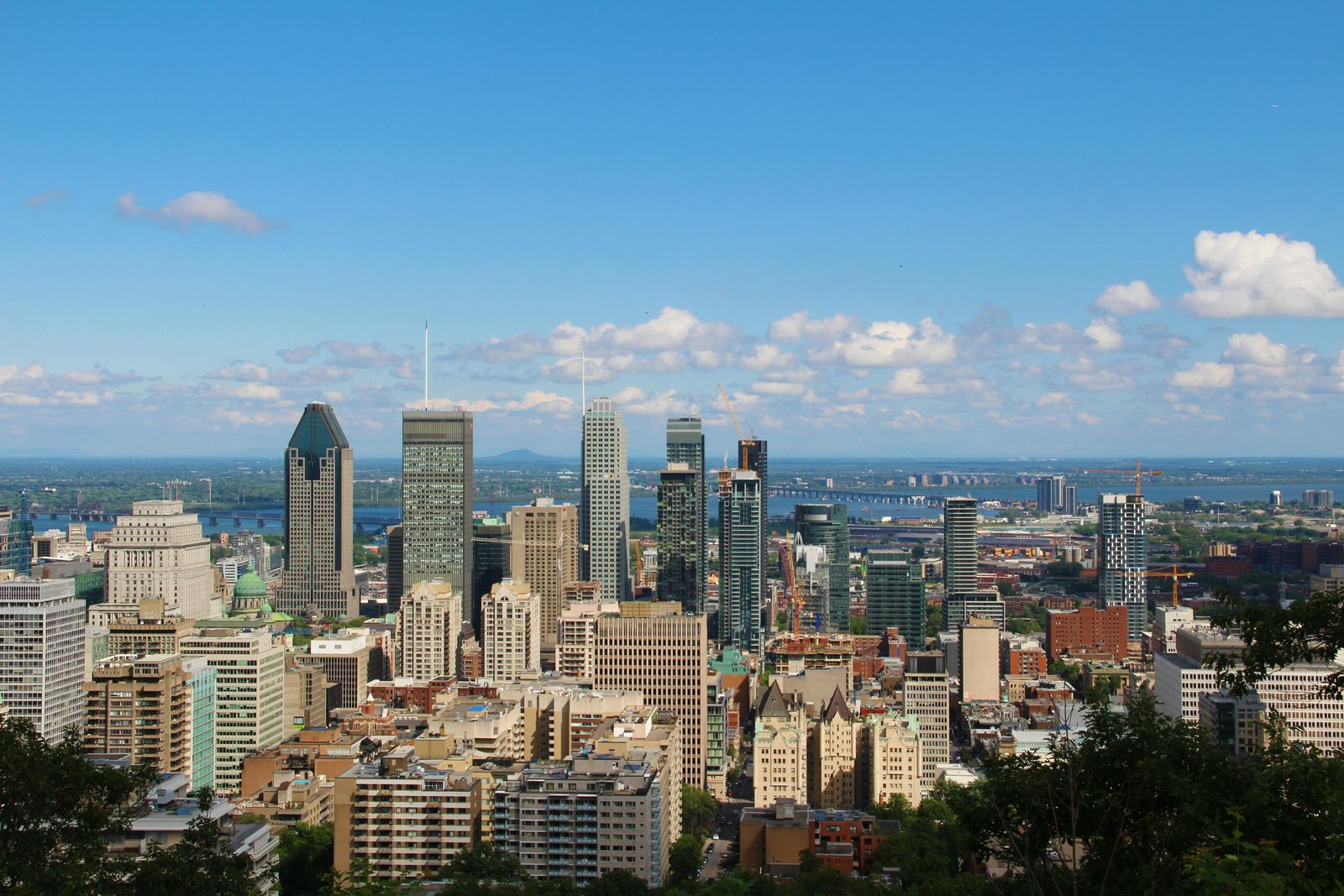
Use an extra day to choose one theme rather than duplicating the waterfront itinerary. A museum, a neighbourhood food walk or a city viewpoint can be the main event. Check the travel distance between stops so the day does not become repeated cross-city transfers.
Mount Royal can be an appealing choice, but the actual walking effort and access route matter. Do not treat every viewpoint as a simple step from a parking space. Use current visitor information and choose an approach matched to mobility, weather and the time available.
Families may prefer one indoor attraction with a shorter outdoor outing. Travellers interested in food might enjoy a market or neighbourhood visit with time to browse. These choices are more satisfying when they reflect the group rather than a requirement to see every famous place.
Before returning to camp, decide whether any shopping is needed for the next stage. Keep purchases manageable on public transport and leave the main RV supply run for a location with suitable vehicle access. The following morning should remain a straightforward departure.
Travel day: make the highway stage useful
Pack and complete tank tasks before entering commuter traffic. Confirm the next campground's arrival window and any office instructions. If you need to stop for water or waste, use an authorized facility rather than assuming a motorway rest area provides RV services.
Choose one suitable break between Montreal and Quebec City. A meal stop with roomy parking may be more valuable than a historic village where the complete rig cannot stop comfortably. Have a backup location because a busy lot can change the plan.
If taking the scenic north shore, allow a different day structure. Lower speeds, town traffic and stops increase the travel allowance, even though the map distance remains reasonable. Keep the arrival time generous and skip optional places when parking is unsuitable.
On approaching Quebec City, follow the campground's actual shore and directions. Driving toward Château Frontenac is a sightseeing instruction, not an RV arrival route. Save the city visit for after the vehicle is settled and you have confirmed how to reach it.
Lévis–Québec ferry as a sightseeing journey
The Québec City–Lévis ferry can be an enjoyable way to approach the historic waterfront. For this itinerary, use it as a foot-passenger outing, leaving the RV at the campground. Check current schedules, fares and service notices through the operator.
A campground in Saint-Nicolas is not automatically within walking distance of the Lévis terminal. Arrange the first part of the journey by an appropriate smaller vehicle, local transport or another confirmed option. Verify legal parking and the return connection as carefully as the sailing itself.
The ferry arrival does not remove the hills between the waterfront and upper town. Plan the walking route and any mobility assistance using current local information. A funicular or other transport option may help, but check its operation and accessibility for your needs.
Do not build dinner around an assumed late sailing. Review the actual timetable for the day, including any disruption, and leave margin for reaching the terminal. The river journey is a pleasant part of the visit when it supports the schedule rather than becoming its weakest link.
Old Québec: split upper and lower town sensibly
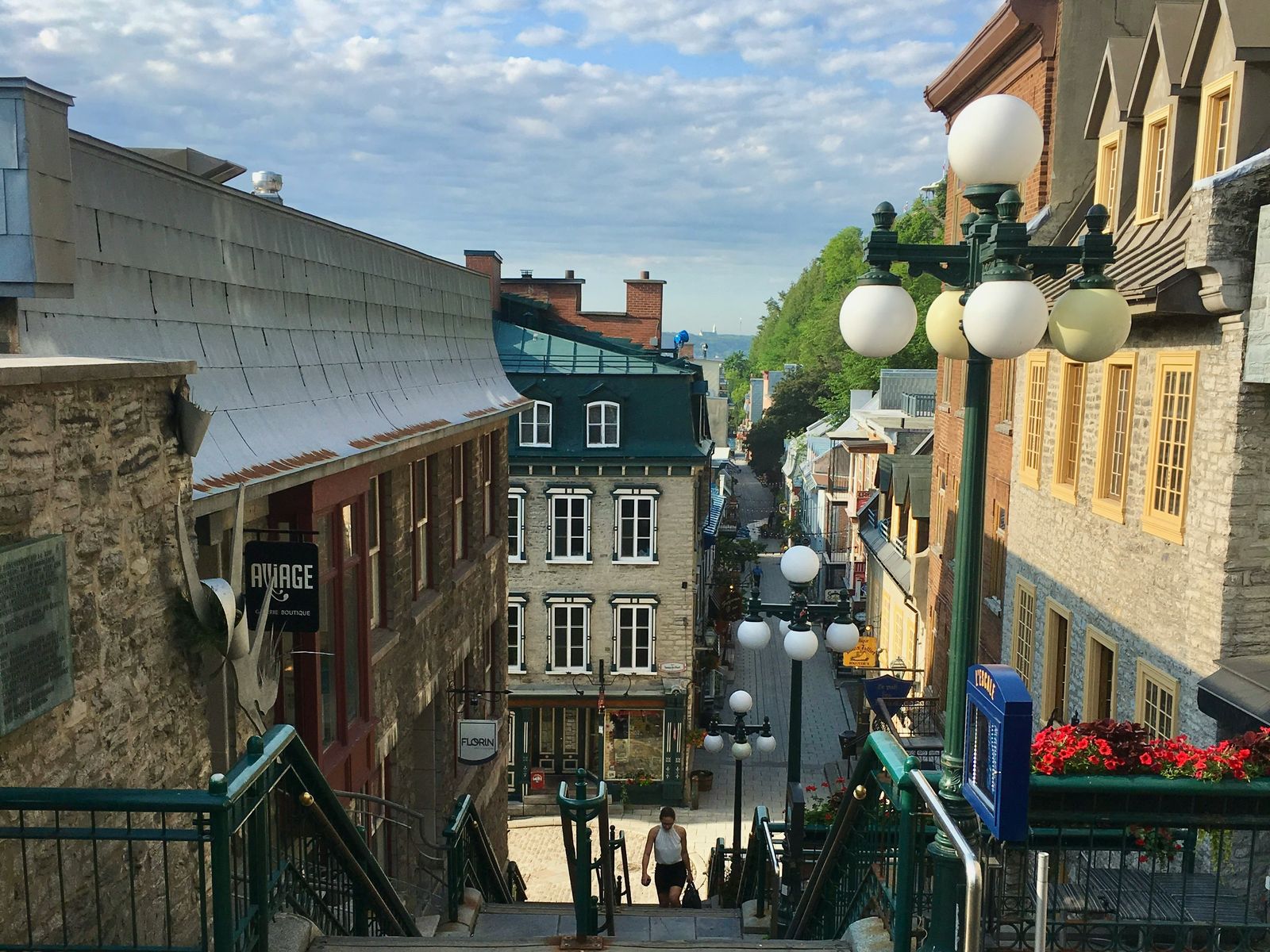
Start with a route that matches your arrival point and the group's energy. The lower town and upper town offer different walking experiences, and repeated climbs can become tiring. Group nearby stops and take a proper meal break instead of doubling back across the same hill.
Château Frontenac and the surrounding setting provide a familiar visual anchor. Public outdoor views can be enjoyed without assuming access to private hotel areas. Check current arrangements for any indoor visit or guided experience you specifically want.
Allow time to notice the streets, river views and historic setting. A compact walking route with two or three meaningful stops is usually better than a catalogue of places visited for a few minutes. Historic character often comes with uneven paving, slopes and busy pedestrian areas.
If weather is poor, choose an indoor activity that suits the group and keep the outdoor loop shorter. Reserve only what you are certain to reach comfortably. The return to a south-shore campground includes the whole sequence of walking, ferry or bridge transfer and local travel.
A second Quebec-area day: choose one destination
Montmorency Falls can be a good outing, but check Sépaq's current park information for admission, activities and access. Ask specifically about oversize parking if you plan to use the RV; an attraction being open does not establish suitable vehicle space.
Île d'Orléans offers another kind of day, with rural scenery and local food experiences. Its smaller roads and individual business parking make a separate vehicle convenient. Plan a modest route and confirm where you can stop rather than assuming every shop can accommodate a motorhome.
A quieter alternative is more time in Quebec City itself, particularly if the first day involved a long commute or a timed indoor visit. Returning for a different area can be more enjoyable than adding a new destination purely for variety.
Keep the weather-sensitive outing flexible. A river view, garden or waterfall visit may work better on another day, while indoor activities can fill a rainy period. Seven-day itineraries provide this breathing room only if every hour has not already been booked.
Campground comfort, tanks and electrical service
Reserve the actual service level your RV needs. “Serviced” can cover different combinations, and a pull-through site description does not by itself confirm sewer at the pad. Check electrical amperage, water, waste arrangements and the permitted equipment length before paying. Browse campgrounds with dump stations to compare your options.
A city-based trip may involve leaving the RV unattended for much of the day. Secure the vehicle, follow campground rules and check that anything requiring power is supported by the booked connection. Keep valuables and essential travel documents managed according to your own travel arrangements.
Plan tank tasks around departure mornings. If the site has a sewer connection, use it according to campground instructions; if waste disposal is shared, allow time for a queue. Do not schedule a timed attraction so tightly that normal campground departure work becomes a rush.
Ask about late entry, quiet hours and visitor rules if returning from an evening city outing. A pleasant dinner downtown can still end awkwardly if you never checked the campground access procedure. Save that information before leaving camp.
Language, groceries and practical city logistics
French is central to everyday travel in Quebec. Have the campground address, reservation and key vehicle information readily available, and approach interactions politely. Written confirmations can reduce confusion when discussing a site category or directions.
Choose grocery stops where access works for the vehicle. The best small city market for sightseeing may be an inconvenient place to replenish a week's RV supplies. Separate browsing from the main shopping task and keep enough food for arrival night at the next campground.
Current Ontario and Quebec road-information services are useful for construction and disruptions. Check both when crossing the provincial boundary. Urban roadwork can change an approach enough that yesterday's saved route deserves another look before departure.
Keep a short offline folder with campground contacts, reservations, dimensions and transit instructions. A phone with reception is useful, but a saved return route matters when service weakens or the battery runs low. Group members should know the meeting point if separated.
Budget and return planning
The headline distance is only the city-to-city route. Add transfers to campgrounds, grocery runs, sightseeing commutes and the return to Ottawa if needed. These costs can become more significant than expected when a rural base requires daily travel. More best RV trips in Quebec are listed on our trips page. For a longer coastal trip, see Montreal to Gaspé by RV.
Keep campground charges separate from attraction admissions and visitor transport. Ontario Parks, Parks Canada, Sépaq and private attractions do not share one universal admission product. Check the relevant operator's terms rather than assuming a pass purchased for one place covers another.
Compare transport options for the whole group. Parking plus a smaller vehicle may suit some parties, while transit is more convenient for others. Ferry fares and transfers should be included if you choose the Lévis sightseeing approach. Avoid exact budget estimates without current quotes.
Before leaving the final campground, confirm the return route and a realistic arrival goal. An Ottawa-bound transfer deserves rest breaks and traffic allowance. If the driver is tired after several city days, a mainland overnight can be a sensible extension rather than forcing the full distance at once.
More route guides: Trans-Canada RV route: east half.
Frequently asked questions
How long should this route take?
Allow five to seven days for a one-way trip with campground bases and city sightseeing. Five days is focused; seven adds a second day in both Montreal and the Quebec City area. Add separate return travel if the RV must go back to Ottawa.
Can we drive the RV into Old Montreal or Old Québec?
Use a campground base and confirm smaller-vehicle or transit access instead. Historic areas involve dense streets, limited parking and walking terrain. If you must use a motorhome, verify suitable parking and the full approach in advance rather than navigating to an attraction.
Should we use Autoroute 20 or Autoroute 40?
Choose according to the booked Quebec-area campground and current road conditions. Autoroute 20 serves the south-shore approach and many Lévis bases; Autoroute 40 follows the north shore. Avoid unnecessary river crossings caused by planning around city names instead of campsite addresses.
Is the Lévis ferry required for the RV route?
No. It is suggested as a foot-passenger sightseeing option. Leave the RV at camp, arrange travel to the terminal and check current schedules and fares. The highway route to the campground should be planned separately.
Are the suggested KOAs beside the historic centres?
No. Montreal South is a South Shore campground in Saint-Philippe, and Quebec City KOA is in the Saint-Nicolas area of Lévis. Both require a sightseeing commute. Confirm the actual transport plan before reserving timed attractions.
Can we add Île d'Orléans?
Yes, with sufficient time and suitable vehicle arrangements. Its smaller roads and individual business parking favour a modest itinerary and often a separate vehicle. Check the places you intend to visit rather than assuming a large RV can stop everywhere.
Does a Parks Canada pass cover every attraction?
No. Check each operator's admission and reservation requirements. Provincial parks, Sépaq sites, private attractions, ferries and city museums use their own arrangements. Include the actual tickets needed for your chosen itinerary in the budget.
Official sources
Rules, fees, and services change. Check these directly before you travel.
- Parliament visitor information: current Ottawa tour arrangements.
- Wesley Clover Parks campground: Ottawa-area camping.
- Rideau River Provincial Park: rural Ottawa-area alternative.
- Montreal South KOA: campground categories and bookings.
- Quebec City KOA Holiday: Lévis-area RV base.
- STM: Montreal transit information.
- Québec City–Lévis ferry: timetable, fares and notices.
- Montmorency Falls Park: official outing information.
- Ontario 511 and Quebec 511: current road conditions.