
The short answer
Toronto to Ottawa and Montreal by RV combines a manageable highway corridor with three very different city experiences. You can leave Toronto, follow the Lake Ontario corridor, pause around Kingston or the Thousand Islands, spend several days in the national capital and finish with Montreal’s neighbourhoods, food and waterfront.
Allow approximately 650–700 km for the main one-way journey through Ottawa, excluding campsite detours and sightseeing. Driving alone can occupy eight to ten hours in an RV, and urban traffic can add considerably more. Five days gives you a useful first visit; seven days lets you include Kingston and give both Ottawa and Montreal a full sightseeing day without moving camp every morning.
The standard route is Toronto → Highway 401 → Highway 416 → Ottawa → Highway 417 → Autoroute 40 → Montreal. Your Montreal campground may require a different final approach, particularly if you choose a South Shore base. Plan to leave the RV in a booked campground while exploring city centres. The highway journey is usually easier than finding parking for a long motorhome or trailer beside an urban attraction.
Trip at a glance
| Planning item | What to expect |
|---|---|
| Main one-way distance | Roughly 650–700 km through Ottawa |
| Driving time | About 8–10 hours before sightseeing and major delays |
| Recommended trip | 5–7 days one way; add a separate return day or stop |
| Main roads | Highways 401, 416 and 417; Québec autoroutes |
| Useful intermediate stop | Kingston or the Thousand Islands area |
| Best general season | May–October, subject to campground operation |
| Main RV challenge | Campground access and city sightseeing transport |
| Ferries | None required on the main route |
The itinerary ends in Montreal. If you need to return to Toronto, include that mileage and time in the trip rather than treating the last sightseeing afternoon as the start of a long drive home.
Why this route works well with an RV
The route has frequent service communities and gives you a choice of private campgrounds and park-style stays. You can organize travel days around supplies and proper rest areas instead of depending on one isolated facility. That makes it approachable for travellers who are comfortable with their rig but do not want a mountain-pass trip. If you are planning a longer journey, see our Trans-Canada RV route: east half guide.
An RV also provides a useful family base between busy city days. You can eat breakfast at camp, pack lunch and return to a familiar space after walking. The benefit comes from choosing a convenient campground and a realistic transport plan, rather than attempting to take the RV to every landmark.
For couples, a slower itinerary creates room for museums, neighbourhood walks and good meals without booking a downtown hotel. For families, the Kingston stop can break the first transfer and add a quieter waterfront experience. Choose your own balance: this does not need to become a checklist of every museum between Ontario and Québec.
Leaving Toronto and using Highway 401
Toronto’s traffic can turn a modest departure into the longest part of the day. Start from your actual storage location, home or rental depot when calculating the journey. A Toronto-area pickup is not necessarily downtown, and loading and grocery shopping can use much of the morning. If you are collecting a rental, our RV rentals page explains how renting works.
Use Highway 401 east when it fits your address and road conditions. Choose any toll alternative deliberately after checking the current charges for your vehicle and rental agreement. Do not accept an automatic navigation reroute onto a toll road without understanding how the trip will be billed.
Stay in a lane that gives you time to anticipate exits and merging traffic. Trucks and other RVs need space, and repeated last-minute lane changes create unnecessary work. Have a passenger review directions where possible, with the destination and next stop already saved.
Ontario’s ONroute service centres can be useful breaks along the corridor. Select a location on the correct side of the highway and follow signs for your vehicle category. Confirm the services you need rather than assuming every rest stop provides propane, RV water or tank disposal.
Day 1: Toronto to Kingston or the Thousand Islands
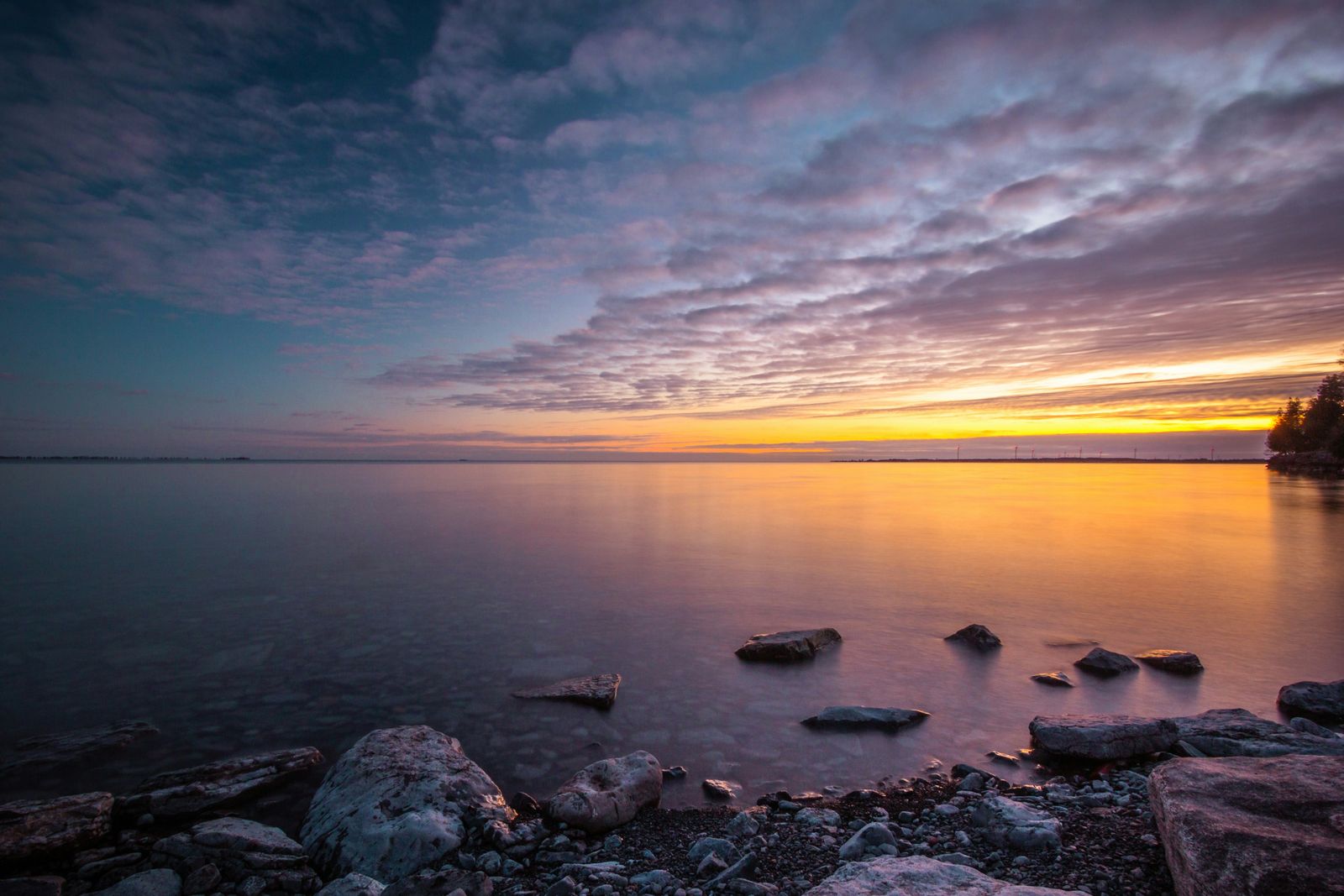
A Kingston-area overnight makes a comfortable first stage on a seven-day trip. The main drive is roughly 260–290 km from many Toronto starting points, but your exact address and campground change it. Allow breaks and arrival time instead of booking a late-afternoon activity immediately after the expected drive.
Kingston is a natural place for waterfront walks, history and a relaxed evening. If you want to visit the town centre, use a smaller vehicle or another practical transport option. Check any attraction’s parking arrangements before taking a large motorhome off the main route.
The Thousand Islands area is another option farther east. A campground near Gananoque or a provincial park can give you a different lakeside setting. Charleston Lake Provincial Park is one park to research, but it is a detour inland and should be chosen as a destination, not described as a quick motorway stop.
For a five-day itinerary, you may prefer to travel directly to the Ottawa area. That makes the first day longer while preserving more nights in the two destination cities. Choose according to departure time, driver confidence and your group’s tolerance for a transfer day.
Campgrounds for the first overnight
Compare Kingston-area private parks, the Thousand Islands region and Charleston Lake using the actual campsite map. Ontario Parks has a dedicated RV information page explaining site selection and the availability of shared water and dumping facilities in many parks. Verify services at your selected location. Our directory lists campgrounds in eastern Ontario and the Ottawa Valley.
A private full-hookup site can simplify a first night after collecting a rental. A provincial campground may provide a more natural setting while requiring a different tank plan. Neither is automatically better; choose what supports the rest of the itinerary.
Ask about arrival hours, site length and whether you must disconnect a tow car before entering the loop. A long pad is useful only if you can negotiate the approach. If the site description is ambiguous, ask the operator before paying rather than assuming a photograph represents your equipment size.
Day 2: Kingston area to Ottawa
Continue east on Highway 401 and turn north on Highway 416 for Ottawa when following the direct approach. The journey from Kingston is roughly 200 km, with variations for your campsite. It is short enough to leave time for a break and setup before a light evening outing.
Refuel and buy supplies at an accessible service community before reaching your campground. A station beside the highway may be simpler than a small city station with tight corners. Check the final access instructions, especially when approaching a wooded campground with a trailer.
Use the afternoon to organize your Ottawa sightseeing transport. Where will you park the smaller vehicle? Which transit route works from that point? Does the museum booking require security screening or a particular entrance? Answering these questions before the next morning reduces wasted city time.
Avoid combining arrival with a full museum visit and an ambitious dinner reservation. A riverside walk or simple meal is often enough. The next day will be more enjoyable if the driver has had time to rest.
Ottawa RV campground bases
Wesley Clover Parks Campground
Wesley Clover Parks is a campground option in Ottawa’s western area. Its operator offers RV and trailer camping with different service categories. Check the current reservation details and event-related availability; an urban location does not guarantee an open pad during a busy tournament or trip period. If you would rather camp on the Quebec side of the river, see campgrounds in Gatineau.
Use its address to calculate your actual trip into the attractions you choose. “In Ottawa” can still mean a meaningful transfer to Parliament Hill or a museum. Verify the site’s electrical service, water arrangements and dumping options individually.
Rideau River Provincial Park
Rideau River Provincial Park is a more rural alternative south of the city. Ontario Parks lists electrical and other car-camping sites and describes it as a base for Ottawa and the Rideau area. It suits travellers who value time at camp as well as city visits.
The tradeoff is commuting. Do not choose it expecting to walk into central Ottawa. A tow vehicle or another workable transport arrangement makes this style of base much easier. Compare the total cost and time of sightseeing transport, not merely the nightly camping fee.
Match the base to the trip
For two short Ottawa nights, access may matter more than a large beach or a secluded pad. For a longer family stay, the campground itself can be an important part of the trip. Choose a site that fits your RV first, then compare location and amenities.
Day 3: Ottawa without moving the RV
Start with a walk around the central area and the Rideau Canal, then choose one substantial attraction. Parliament, a museum or a river-focused outing can anchor the day. Leave room for lunch and an afternoon break rather than treating walking time between attractions as negligible.
For Parliament, use the current official visitor website. Centre Block is undergoing rehabilitation, and available visits use other sites and experiences. Book the particular tour you want and follow its arrival and screening instructions. An old photograph of Parliament Hill does not establish the current visitor entrance.
The Canadian Museum of History is across the river in Gatineau, while other major museums are in different parts of the capital. Check location and transport before placing several in a single day. Crossing the river can also introduce bridge traffic or construction.
A pleasant evening walk can be worthwhile, but leave time to return to camp. City transit schedules and parking conditions may differ in the evening. Save the return route, especially if your phone battery will have spent the day supporting maps and photographs.
Day 4: Ottawa to the Montreal campground
The main Ottawa–Montreal transfer is approximately 200 km, though a South Shore campground and its approach can add distance. Highway 417 continues east and becomes Autoroute 40 in Québec. Your precise route around Montreal should be selected according to the campground’s directions and current roadwork.
Do not drive toward Old Montreal simply because it is your first sightseeing destination. Reach the campground, set up and use appropriate transport for the city later. A bridge crossing, urban interchange and campground arrival already make a meaningful travel stage.
A South Shore base may involve choosing a route around the island instead of passing through its centre. Consult Québec 511 and the operator’s instructions. Toll routes and bridges should be chosen with current charges and your vehicle category understood, not accepted blindly as a small navigation shortcut.
Buy groceries or fuel before the final urban approach if practical. Unfamiliar streets, tight entrances and congestion are poor conditions for searching spontaneously for a pump that fits your RV.
Camping near Montreal
Montreal South KOA in Saint-Philippe is one private option to research. Its current operator listings include pull-through and full-hookup categories. Book the specific pad suitable for your equipment, and check seasonal operation and any transport services for your dates. Our directory lists campgrounds around Montreal and campgrounds in Saint-Philippe.
The South Shore location can work well for onward travel east or a return toward Ontario, but it still requires a city-access plan. Do not assume the campground is beside the metro or that a shuttle operates every day. Ask directly, then calculate the journey from camp to the station or attraction.
Other private parks around Montreal offer different directions of access. A western base may fit one itinerary, while a South Shore base fits another. Compare actual addresses with your arrival route, next destination and intended sightseeing rather than searching only for the closest distance to a downtown map pin.
For a motorhome without a tow vehicle, transport availability deserves special attention before booking. The simplest site layout cannot solve the problem of reaching the city if you have no workable way to leave the RV at camp.
Day 5: Old Montreal and the waterfront
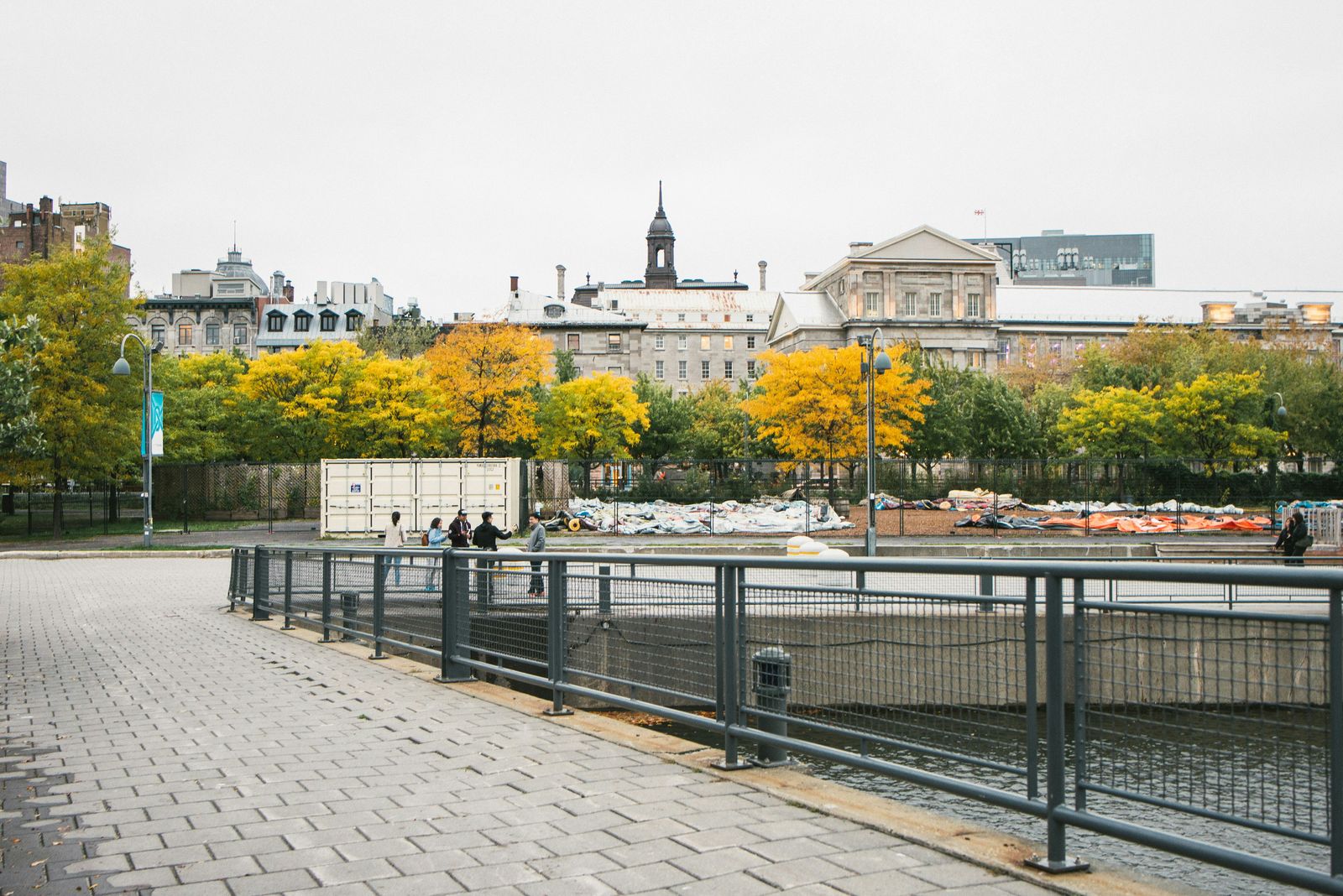
Give Old Montreal a walking-focused day. Explore the historic streets, waterfront and one chosen attraction, with time for lunch. Use a smaller vehicle, transit or another confirmed transport option to reach the area. Historic streets and garages can be unsuitable for a tall or long RV.
Consider how much walking your group wants. Cobblestones, crowds and changing weather can make a short-looking route tiring. Choose a meeting point and rest breaks, and save offline maps if you plan to split up for part of the day.
Notre-Dame Basilica, neighbourhood food outings and waterfront activities are possibilities to research according to current hours and tickets. Choose one booked experience rather than attaching a timed reservation to every hour. Montreal rewards unhurried exploration as much as movement between landmarks.
If you want Mount Royal or a different neighbourhood, give it a separate outing on a longer itinerary. It is not necessary to cross the city repeatedly to make a first day worthwhile. Return to camp before fatigue turns the transport journey into the least enjoyable part of the trip.
Five- and seven-day itineraries
| Day | Five-day plan | Overnight |
|---|---|---|
| 1 | Toronto to Ottawa area; supplies and setup | Ottawa base |
| 2 | Ottawa sightseeing | Same base |
| 3 | Transfer to Montreal campground | Montreal base |
| 4 | Old Montreal and waterfront | Same base |
| 5 | Second short outing or onward departure | Add overnight if returning later |
The five-day version is a one-way trip plan. A same-day return to Toronto after a full Montreal outing would create an unnecessarily long final day. Leave separately and allow a proper break, or add an intermediate overnight.
| Day | Seven-day plan | Overnight |
|---|---|---|
| 1 | Toronto to Kingston/Thousand Islands | Intermediate base |
| 2 | Easy morning; continue to Ottawa | Ottawa |
| 3 | Capital sightseeing | Ottawa |
| 4 | Transfer to Montreal | Montreal |
| 5 | Old Montreal | Montreal |
| 6 | Neighbourhood or museum day | Montreal |
| 7 | Onward travel or return toward Toronto | Home or intermediate camp |
For a round-trip week, reduce one destination day if you need a more relaxed return. For nine days, retain the full sightseeing plan and add a separate overnight on the way back. To keep going east, our Ottawa to Montreal and Quebec City by RV guide picks up where this one ends.
Fuel, groceries, water and dump stations
Shop in Toronto before departure, then resupply in service communities around Kingston, Ottawa and your Montreal base. Carry familiar food and essential medication so the trip does not depend on finding a particular product after a late arrival. Browse campgrounds with dump stations to compare your options.
Select fuel stations for clearance and turning room. A long combination should have a visible exit without reversing across busy traffic. If propane is needed, confirm filling hours and whether the operator can handle your onboard tank or cylinders.
Use campground reservations to plan wastewater disposal. Full hookups at one base can be convenient between park stays, but water, sewer and electrical amperage should be confirmed separately. Ask about non-guest access if you intend to use a dump station outside your booked campground.
Do not assume a highway rest area includes RV tank services. Keep an offline list of confirmed facilities and allow time to use them before a rental return or a long transfer. Drinking-water equipment should remain separate from wastewater hoses and fittings.
Weather, traffic and RV size considerations
May through October can work for this route, subject to campground seasons. Summer offers long days but also heat, humidity and busy attractions. Early autumn can be comfortable for walking; late-season nights and reduced camping services require closer checks. Our list of big-rig-friendly campgrounds is a good place to start if you tow a long trailer or drive a large motorhome. More best RV trips in Ontario are listed on our trips page.
Urban traffic is the main driving variable. Review Ontario 511 and Québec 511 on transfer mornings and follow official detours. Do not let a navigation app send a tall RV onto an unfamiliar local shortcut without checking clearances and suitability.
Know the RV’s height and full travelling length, including racks and towed equipment. Select campsites according to their actual dimensions and approach, then use sightseeing transport that fits the city. Covered parking suitable for a car should never be assumed suitable for a motorhome.
Pack layers, rain gear, walking shoes and a small day bag. Keep a battery pack, tickets and return directions with you. Leave pets with appropriate care and temperature management rather than assuming an RV parked at camp remains comfortable unattended.
Keep the two city visits manageable
Choose the main experience in each city before booking additional attractions. In Ottawa, a Parliament visit can anchor the day; in Montreal, a concentrated Old Montreal walk can do the same. Leave the other stops flexible enough to account for the commute from camp.
If travelling with a group, agree on a return meeting point and carry the campground address. Some visitors may prefer a shorter walking day while others continue exploring. A clear transport plan lets both groups enjoy the visit without turning the evening into a search for a missing connection.
More route guides: Toronto to Niagara Falls by RV, Toronto to Algonquin by RV and Montreal to Gaspé by RV.
Frequently asked questions
How far is Toronto to Montreal via Ottawa by RV?
Plan on approximately 650–700 km for the main one-way route. Campground locations and sightseeing detours add distance.
How many days should I allow?
Five days gives you a first visit to Ottawa and Montreal. Seven days allows an intermediate stop and more city time; returning to Toronto requires additional driving time.
Can I park the RV downtown while sightseeing?
Check designated options, but the practical plan is to leave the RV at a campground and use a smaller vehicle, transit or another confirmed transport option.
Is Centre Block open for Parliament tours?
It is under rehabilitation. Check the official Parliament visitor site for the currently available sites, experiences and ticket arrangements.
Does a Montreal campground include a shuttle?
Not automatically. Confirm any current shuttle or transit connection directly with the operator before choosing a base without a tow vehicle.
Is a ferry required?
No ferry is required on the Toronto–Ottawa–Montreal highway route.
Are campground hookups guaranteed?
No. Book the specific service category and verify electricity, water, sewer or shared dump facilities individually.
Official sources
Rules, fees, and services change. Check these directly before you travel.