
The short answer
Montreal to Gaspé by RV is a substantial coastal trip, not a weekend extension of a city visit. The north-coast approach follows Autoroute 20 toward the lower St. Lawrence, then Route 132 through Matane and Sainte-Anne-des-Monts toward Gaspé and Forillon. Percé is a further excursion south of Gaspé, and the return journey must be planned separately.
Allow roughly 950–1,050 km one way to Gaspé using the north coast, depending on your Montreal starting point, campgrounds and detours. Fourteen to seventeen hours is a useful total RV driving allowance before breaks, sightseeing and slower conditions. Spread that distance across several stages rather than treating it as a single arrival day.
Ten to fourteen days is a practical starting point for a return trip. Seven days can work for a focused one-way itinerary, but a relaxed peninsula loop with time at Bic, Forillon and Percé needs more space. The best trips use a few campground bases and leave coastal weather room to change the schedule.
Trip at a glance
| Planning item | What to expect |
|---|---|
| Main approach | Montreal → Autoroute 20 → Rimouski → Sainte-Flavie |
| North-coast sequence | Matane → Sainte-Anne-des-Monts → Gaspé |
| Main scenic road | Route 132 |
| Approximate one-way distance | 950–1,050 km to Gaspé by the north coast |
| Total driving allowance | 14–17 hours before longer stops |
| Recommended return trip | 10–14 days |
| Key bases | Lower St. Lawrence, Forillon/Gaspé, Percé |
| Main practical challenges | Long stages, coastal terrain, parking and weather |
The figures describe an approximate route to Gaspé, not every coastal stop or a complete return to Montreal. Add campground access, the Percé extension and whichever return route you choose before calculating fuel or rental mileage.
Understand Route 132 before booking
At Sainte-Flavie, Route 132 presents different peninsula approaches. This guide follows the north coast first, through Matane and Sainte-Anne-des-Monts. The interior Matapédia Valley route is a different option and can be useful on the return; it should not appear accidentally because a navigation app selected the shortest distance.
The coastal road offers scenery but also curves, grades, villages and varying speeds. Do not estimate the day's progress as if every kilometre were a motorway. An RV or towing combination needs comfortable margins for braking, bends and unfamiliar campground entrances.
Use current Quebec 511 information and ask campgrounds about the last part of their approach. Check vehicle height and route suitability before accepting a detour. A scenic pullout is only a stop if parking and access actually suit the complete rig.
Decide whether the trip ends at Gaspé, continues to Percé and returns the same way, or loops along the southern peninsula. Those choices affect the number of nights, direction of campground transfers and the longest travel days. Make the return visible on the map before booking the outward campsites.
Break the outward journey into sensible stages
A first stage toward the lower St. Lawrence separates Montreal's traffic from the coastal portion. Depending on departure time and driver comfort, a campground around the Rivière-du-Loup or Rimouski region can be a useful stop. Choose the actual overnight before setting a mileage target. If you are coming from Ottawa, our Ottawa to Montreal and Quebec City by RV guide covers the first part of the route.
Bic and the Rimouski area deserve more than a late arrival followed by an early departure if you want to explore. Two nights create one full day for a park visit or shoreline outing. This also reduces the temptation to stop the RV at every unfamiliar coastal access point.
The next north-coast stage can use the Matane or Sainte-Anne-des-Monts area, followed by a separate drive toward Gaspé and Forillon. Avoid leaving all the north-coast mileage to the day you also hope to arrive at a favourite national-park site and complete a hike.
Set stage lengths using your actual rig and group. A shorter driving day with groceries, fuel and setup can already be full. Children, pets, mobility needs or a first rental trip are reasons to reduce the number of transfers, not cram in more stops.
Campground bases: choose services as well as scenery
At Parc national du Bic, compare the published campground categories and the exact services attached to the site. Different areas offer different arrangements. A beautiful park setting should not be interpreted as a full sewer hookup at every pad. Our directory lists campgrounds in the Bas-Saint-Laurent, campgrounds at Forillon, campgrounds in Gaspé and campgrounds in Percé.
Parks Canada’s Forillon frontcountry camping page, checked in October 2026, lists these campgrounds. All sites can be reserved through the Parks Canada reservation service, and any that are left unreserved are first come, first served.
| Campground | Sites | RV notes |
|---|---|---|
| Petit-Gaspé (south area) | 101 unserviced, 35 with electricity, 31 with water and electricity | 15- and 30-amp electrical service; water outlets along the loops; dump station at the campground entrance |
| Des-Rosiers (north area) | 104 unserviced, 42 with electricity | 15- and 30-amp electrical service; dump station at the campground entrance |
| Cap-Bon-Ami (north area) | 38 unserviced | Tents only, so not an option for an RV |
Parks Canada warns that running water at the campsites is sometimes not potable and recommends arriving with your own supply. Check-in is from 3 p.m. and check-out is by 11 a.m. Each site allows two vehicles, and generators may be used only between 5 p.m. and 7 p.m. The page gives no maximum equipment length and lists no sewer hookups, so ask Parks Canada about your rig before you book.
Other Forillon campground choices may suit different equipment or locations. Check each one separately rather than assuming the same access or site dimensions apply throughout the park. The best national-park base depends on what your vehicle can use comfortably.
Around Percé, private campground operators offer additional bases. Choose by the current site listing, complete rig length, approach and waste arrangements. Contact the operator before booking if a steep entrance or tight pad is unclear. Do not replace a suitable inland site with a cliff-view location that does not fit the vehicle.
Reservations and the order to make them
Begin with the most constrained stays: Forillon, Bic and any specific Percé-area campground you particularly want. Check the current booking systems and opening dates, because Parks Canada, Sépaq and private businesses operate separate reservation arrangements.
Then connect these bases with practical transit nights. Leave some flexibility where possible, but do not assume a summer coastal campground will have space simply because you are arriving on a weekday. A confirmed night makes the driving day less stressful.
Read every confirmation for equipment category, site length, service level, arrival window and cancellation terms. Save offline copies and the campground's actual address. A booking with the right dates but the wrong equipment category can still undermine the route.
Admission and accommodation are separate questions. Parks Canada and Sépaq use different park systems, while boat operators and private attractions may charge independently. Check what each reservation includes before purchasing passes or tickets, and avoid assuming a single park pass covers the entire peninsula.
A seven-day one-way itinerary
Day 1: Montreal to the lower St. Lawrence. Make the first stage a highway travel day with a suitable booked overnight. Leave enough time for fuel and groceries before setting up. Do not promise a long park walk after a late departure from Montreal.
Day 2: Continue to the Rimouski/Bic area. If the first night was farther west, make this a shorter transfer and settle into a two-night base. A modest shoreline outing or local visit can fit after setup.
Day 3: Bic or a nearby full-day outing. Choose one activity matched to the group and current conditions. Keep the RV parked where possible and confirm the access and parking for any separate drive.
Day 4: North coast to a Matane or Sainte-Anne-des-Monts-area stop. Treat the scenery as part of the drive, with a few legal suitable breaks. Arrive before the day becomes a race to the campground office.
Day 5: Continue to Gaspé/Forillon. Leave room for slower coastal sections and setup. Day 6 is a full Forillon day. Day 7 can be another park day or an onward transfer toward Percé.
This plan ends on the peninsula. It does not include a return to Montreal, and a meaningful Percé visit needs additional time. Use it for a genuine one-way arrangement or extend the trip accordingly.
A ten-day return trip with a focused scope
A ten-day return itinerary needs discipline. Use Day 1 for the highway approach, Day 2 for the Rimouski/Bic base, and Day 3 for a full local visit. On Day 4, transfer along the north coast to a practical transit campground.
Use Day 5 to reach Forillon, then Day 6 for a full park day. Move toward Percé on Day 7, keeping the transfer and local arrival outing modest. Day 8 provides the principal Percé excursion, with weather deciding whether a boat trip is possible.
Reserve Days 9 and 10 for the return, with an appropriate overnight and realistic driving allowance. Choose the actual route before accepting this schedule: returning along the north coast or completing the south-coast arc creates different distances and stage lengths.
This is a focused trip, not an invitation to add every peninsula community. If the return stages exceed your comfortable daily mileage, reduce the outward stops or extend to fourteen days. Keep a missed weather-dependent excursion from turning the final travel days into an unsafe rush.
A fourteen-day peninsula loop
Fourteen days makes a fuller loop more practical. Spend Days 1–3 reaching and enjoying the lower St. Lawrence, then use Days 4–5 for north-coast travel and a local outing. A slower transfer here helps you arrive at Forillon with energy.
Use Days 6–8 for the Gaspé and Forillon base, including two complete activity days. Move to Percé on Day 9 and keep Day 10 for the main excursion. Day 11 can be a weather buffer or a second modest local outing.
Continue along the south coast toward the Chaleur Bay area on Day 12, then use Days 13–14 for the Matapédia Valley connection and the journey back to Montreal with a suitable overnight. Refine these stages using your selected campgrounds; the valley is not an excuse to skip rest breaks.
A complete return loop can involve roughly 2,000–2,300 km before substantial side trips, depending on the exact arc and bases. Verify the mapped itinerary rather than treating this range as a rental mileage quote. Extra park access drives and sightseeing easily add distance.
Forillon: make the park the main event
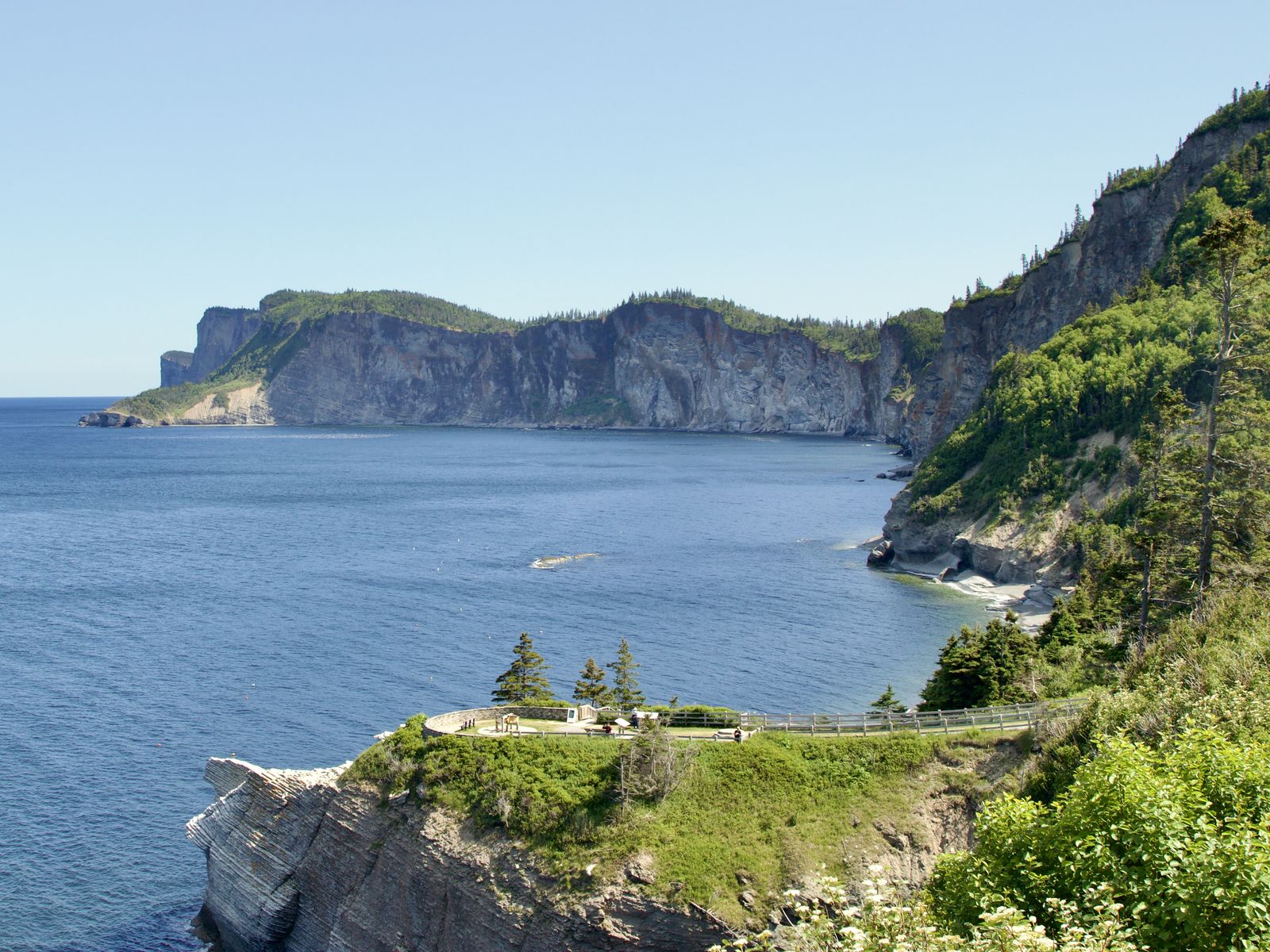
Forillon is worth a multi-night stay. Choose one principal walk or coastal outing each day and allow time for the landscape rather than collecting viewpoints. Consult current Parks Canada information for trail openings, surfaces, closures and wildlife guidance.
The park offers different walking experiences, and a dramatic cliff photograph does not tell you the effort involved in reaching a particular place. Choose a route the whole group can enjoy, check the return distance and carry appropriate water, layers and saved directions.
Parking matters if the RV is also your sightseeing vehicle. Confirm where a long motorhome can stop without blocking access, and avoid assuming every small trailhead lot works. A separate vehicle makes some outings easier, while a campground-focused day can reduce repeated driving.
Keep one activity day flexible for weather. Coastal wind, rain or poor visibility may change the plan. An interpretation visit, a shorter walk or a day around Gaspé can be a worthwhile substitute without forcing an exposed outing simply because it was written into the itinerary.
Gaspé town and supply planning
Gaspé is a useful practical centre for groceries, fuel and other trip needs. Plan a supply run around a travel or lighter activity day so it does not interrupt the park outing you most want. Check the access to the specific business if driving a large rig. Our RV fuel planner can help you budget fuel for the long stages.
Town time can also be part of the trip. Choose a waterfront walk, local visit or meal that fits the group's interests. Confirm current opening hours for any particular attraction instead of assuming every seasonal business is operating throughout your dates.
Fuel before a longer transfer rather than waiting until the gauge forces a decision. A community on the map may offer a station without an easy approach for your complete combination. Keep a sensible reserve and make the main refuelling stop where access is known.
Do not assume grocery and fuel services imply a public RV dump station. Use the campground's authorized water and waste facilities or confirm another location directly. Combining supply and tank tasks can make a transfer day efficient, but each needs its own verified arrangement.
Percé: scenery, boat trips and a firm access limit
Percé Rock is a major coastal landmark, but the view and a safe visitor route are different things. Sépaq's current information prohibits walking to the foot of the rock because of rockfall danger. Do not plan a low-tide walk to its base or treat photographs of past access as permission.
Use authorized viewpoints and current Île-Bonaventure-et-du-Rocher-Percé park information. Check how boat transport, island access and park admission work for the date of the visit. Boat tickets and admission should not be assumed to be the same purchase.
A Bonaventure Island excursion can be an excellent main activity, subject to weather and service conditions. Confirm the sailing, return arrangements, walking effort and what to carry. Allow the visit a clear day rather than combining it with a major campground transfer.
If boats cannot run, enjoy an appropriate land-based visit and use the planned buffer day if available. A fourteen-day trip handles this much better than a timetable in which one missed morning immediately threatens the return journey.
A south-coast return and the Matapédia Valley
Continuing south from Percé creates a different return experience from retracing the north coast. The Chaleur Bay arc can support a separate campground night and a quieter local outing. Use the actual road route and destination rather than a vague instruction to “finish the loop.” If you are continuing to the Maritimes, our Cabot Trail by RV guide covers a coastal drive in Cape Breton.
Plan the connection toward the Matapédia Valley and Amqui explicitly, then back toward the Sainte-Flavie area and Autoroute 20. A map may show several alternatives; assess them for your vehicle, current road conditions and time available.
Keep the longest return stage practical. After many activity days, the driver may appreciate an earlier overnight more than one final attraction. Choose a campground with straightforward access and arrive with enough time to pack for the last morning.
If the south-coast arc makes the return too long, choose a shorter overall plan before departure. There is no obligation to complete a particular loop shape. A focused trip at fewer bases can provide a better experience than a map with every coastal kilometre highlighted.
Optional mountain excursions need extra time
Parc national de la Gaspésie is a separate mountain destination, not a small roadside add-on to every north-coast itinerary. An excursion from the Sainte-Anne-des-Monts area requires additional driving, an activity plan and checks on access, weather and facilities.
Route 299 should not become the default shortcut merely because it appears to connect two parts of the peninsula. Check the current route and suitability for your equipment before considering a mountain transfer. Coastal and mountain conditions can differ.
If mountain walking is a major interest, add nights near the relevant area and reduce another part of the trip. That gives the walk a weather window and prevents it from competing with the Forillon or Percé days.
For a first RV visit with limited time, it is reasonable to leave this destination for another trip. The north coast, Forillon and Percé already provide a varied itinerary. Choose additions because they serve your interests, not because an attraction list includes them.
Coastal weather, driving rhythm and campsite arrivals
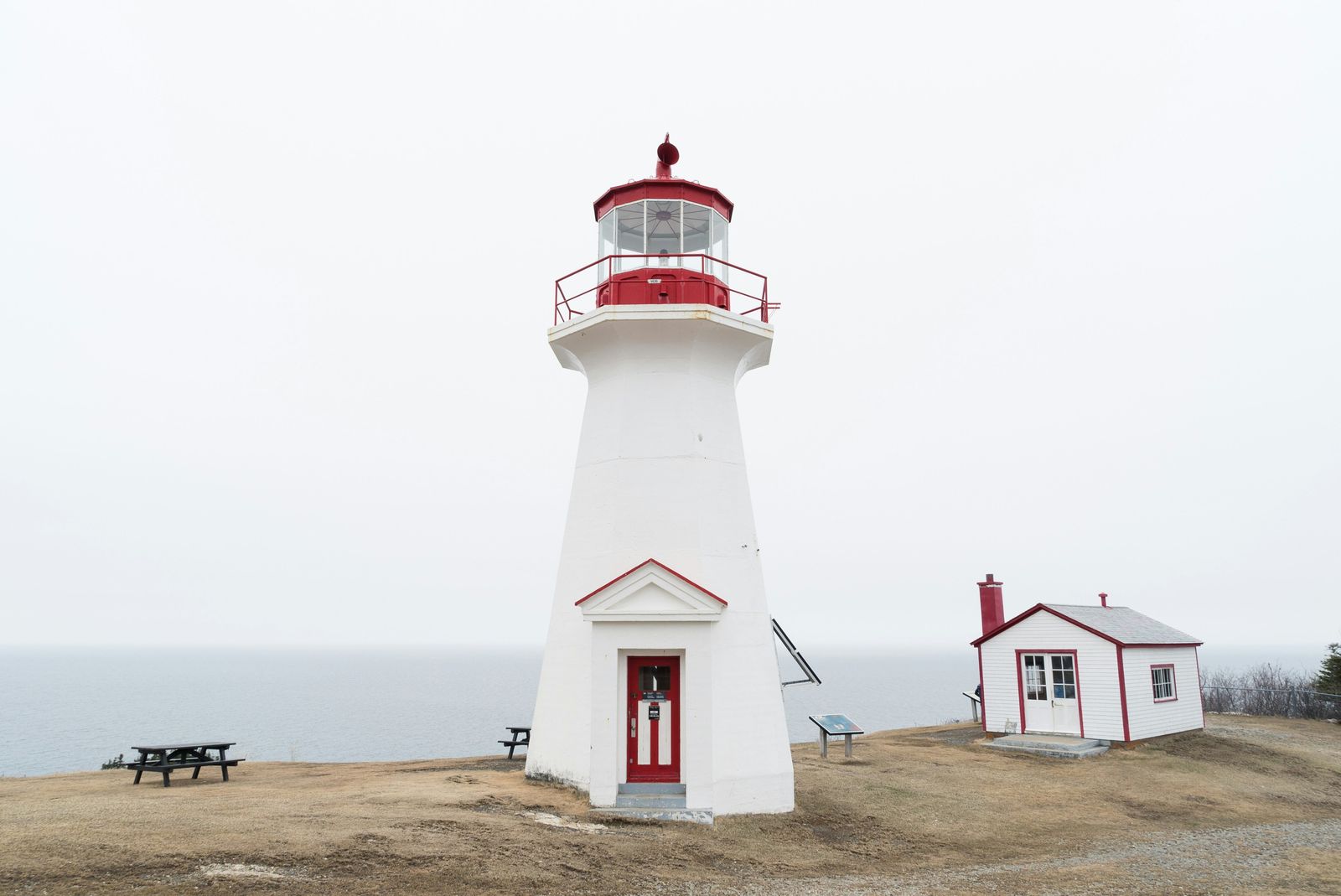
Expect the forecast to affect the schedule. Wind may change a boat trip, rain can alter a trail choice, and fog can reduce visibility on a scenic drive. Check conditions each morning and retain an indoor or lower-effort alternative.
Avoid building a day around too many viewpoints. Repeatedly entering small parking areas with a long vehicle can consume time and concentration. Stop where access is appropriate and let some scenery remain part of the drive rather than turning every bend into a manoeuvre.
Arrive at unfamiliar campgrounds in daylight where possible. Coastal or hillside sites may involve slopes, trees or a less obvious entrance. Inspect the pad and approach before committing, and contact the operator when directions are unclear.
Keep a daily rhythm that includes rest, food and practical RV work. A modest mileage target can still take most of the day when it includes shopping, fuel and setup. Driving estimates should help planning, not pressure the driver to match a car's uninterrupted travel time.
Tanks, food, connectivity and the budget
Match the service plan to each campground. Water-and-electric sites, electric-only sites and unserviced sites have different implications for tank use. Verify the dump-station arrangement and keep enough capacity for the nights between services. Browse campgrounds with dump stations to compare your options. More best RV trips in Quebec are listed on our trips page.
Carry meals for at least the arrival evening and a simple breakfast. Coastal businesses can have seasonal schedules, and a late transfer should not depend on finding an open restaurant. Keep outdoor cooking optional if wind or rain makes it impractical.
Save confirmations, campground approaches, essential contacts and maps offline. Reception can vary along the coast and inside parks. Group members should know the day's destination and meeting plan without relying entirely on live messages.
Budget for the complete return route, park admissions, campsites and any boat or guided activity. Rental mileage charges and fuel become material on a peninsula loop. Use current quotations for optional activities and leave room for an extra night if weather or fatigue changes the schedule.
More route guides: Toronto to Ottawa and Montreal by RV, New Brunswick Fundy Coast by RV and Trans-Canada RV route: east half.
Frequently asked questions
How far is Montreal to Gaspé by RV?
The north-coast route is roughly 950–1,050 km one way, depending on the departure address, bases and detours. Allow about 14–17 hours of total RV driving before substantial stops. Percé and the return to Montreal add further distance.
Is seven days enough for a return trip?
Seven days is better treated as a focused one-way itinerary. A return trip with Bic, Forillon and Percé generally needs ten to fourteen days and realistic return stages. Reduce stops or extend the trip if daily mileage becomes uncomfortable.
Which way should we take Route 132?
This guide follows the north coast from Sainte-Flavie through Matane and Sainte-Anne-des-Monts toward Gaspé. The interior Matapédia Valley approach is different and can be used on the return. Set the intended route explicitly in navigation.
Can a large RV camp at Forillon?
Check the exact campground and site. Petit-Gaspé offers different frontcountry service categories, but equipment limits and pad layouts vary. Confirm length, access and amenities rather than assuming all park campsites accommodate the same RV.
Can we walk to the foot of Percé Rock at low tide?
No. Current Sépaq guidance prohibits access to the foot of the rock because of rockfall danger. Use authorized viewpoints and visitor activities. Older photographs or travel accounts do not establish permission to walk there now.
Can we add Parc national de la Gaspésie?
Yes, with additional time and appropriate route planning. It is a separate mountain destination requiring checks on access, activities and weather. Add nights or remove another stop rather than treating it as a quick detour during an already full coastal transfer.
Official sources
Rules, fees, and services change. Check these directly before you travel.
- Quebec 511: current road conditions, works and disruptions.
- Parc national du Bic: camping categories, activities and notices.
- Forillon National Park: visitor information and current conditions.
- Forillon frontcountry camping: campgrounds, site services and reservations.
- Île-Bonaventure-et-du-Rocher-Percé park: authorized access and visitor guidance.
- Sépaq: current provincial-park information and reservations.