
The short answer
Toronto to Manitoulin Island by RV can be planned around either a seasonal ferry crossing or an entirely road-based approach. The Chi-Cheemaun connects Tobermory with South Baymouth, while the northern road route reaches the island through Espanola and Little Current. Both are worthwhile; the better choice depends on your vehicle, bookings, travel dates and tolerance for a fixed sailing deadline.
For the ferry route, allow roughly 350–400 road kilometres from Toronto through Tobermory and onward to many island campground destinations, plus the sailing, check-in and loading time. For the all-road route, allow roughly 520–650 km depending on the island destination. Either approach deserves a full travel day, and a mainland overnight makes the trip gentler.
Plan five to seven days for an enjoyable return trip. Manitoulin rewards time spent at one campground, with day trips to lakes, communities and walking areas. The island is large enough that a list of attractions scattered across it can create much more driving than expected.
Trip at a glance
| Planning item | What to expect |
|---|---|
| Ferry approach | Toronto → Tobermory → South Baymouth |
| All-road approach | Toronto → Sudbury area → Espanola → Little Current |
| Ferry-route road distance | About 350–400 km to many campground destinations |
| All-road distance | About 520–650 km, depending on destination |
| Recommended trip | 5–7 days |
| Main season | June–September for a first visit |
| Main ferry checks | Vehicle dimensions, capacity rules, availability and check-in |
| Best sightseeing setup | Park the RV at a suitable base and use a smaller vehicle |
A ferry fare and a campsite reservation solve different problems. Confirm both before building an island schedule, and have an explicit return plan. A reserved campsite cannot protect you from a missed sailing or a vehicle that fails the operator's carriage requirements.
Ferry or all-road: make this decision first
The ferry gives the journey a memorable Lake Huron crossing and brings you directly to the island's southeast. It works well when Tobermory is part of the trip and your RV meets the current requirements. Its disadvantages are a fixed departure, vehicle-specific costs and possible weather or operational disruption.
The northern road route offers more flexibility and avoids ferry capacity restrictions. It is longer from Toronto but useful for large vehicles, uncertain propane documentation or travel outside the sailing season. An overnight near the mainland route can make it a comfortable two-stage approach.
A mixed itinerary is also possible: ferry one direction and road travel the other. Price it as a complete trip, including the additional mainland kilometres and any overnight stops. Make sure a one-way sailing fits the actual route rather than choosing it solely for a novel experience.
Do not compare only the distance printed by a map. Ferry check-in, waiting, loading, sailing and onward island driving consume part of the day. A shorter road distance does not necessarily produce an earlier arrival at the campground.
Current Chi-Cheemaun propane capacity requirements
The operator's August 7, 2026 propane notice is a critical RV planning check. It states that built-in or integrated propane cylinders must not exceed 65 litres, or 17.1 gallons. It also sets a maximum of two cylinders onboard, with their combined capacity not exceeding 65 litres. For the wider rules that apply across Canada, see our RV propane rules for Canada page.
This is about cylinder capacity, not simply the amount of propane currently inside. Do not assume draining a larger tank makes it acceptable. The notice says capacity must be verifiable, with markings such as WC or WTR CAP and the relevant units; unverifiable or excessive capacity can result in refusal.
Read the current operator notice and contact the terminal if your equipment is unclear. Provide the actual cylinder or built-in tank information, not a guess based on the RV's model. Rental travellers should ask the rental company for verified details before booking the sailing.
The notice is dated because operator rules can change. Recheck it for your actual travel date, along with all boarding and equipment instructions. If compliance cannot be confirmed, use the all-road route and keep the trip practical rather than arriving at the terminal hoping for an exception.
Booking and checking in for the ferry
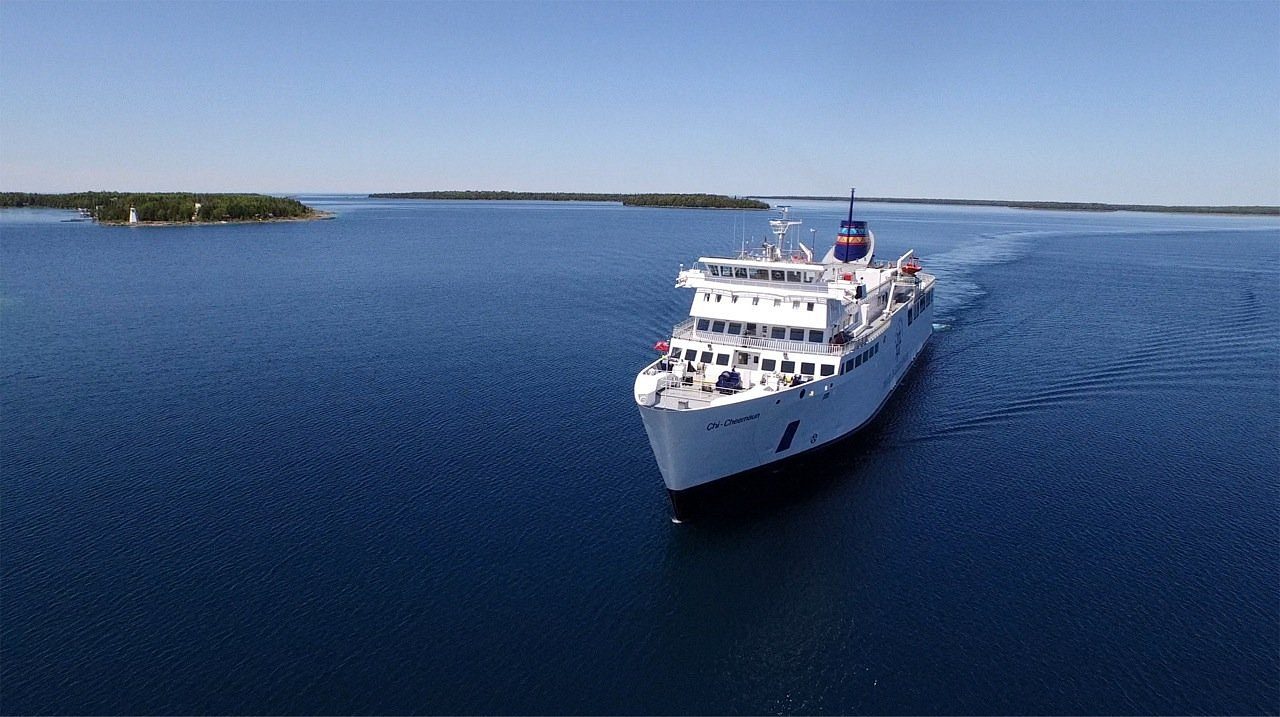
Measure the vehicle as the operator requires, including the complete combination and anything extending its length or height. A bike rack, trailer or carried equipment can matter. Use accurate information during booking and confirm the category rather than substituting a passenger-car fare. If you want a mainland night before an early sailing, our directory lists campgrounds in Tobermory.
Reserve well ahead for busy summer travel. The operator currently requires arrival at least one hour before the scheduled departure to preserve a reservation; review the latest confirmation for the exact check-in instructions. Build additional buffer into the drive to Tobermory rather than aiming to reach the entrance at that minimum.
A mainland campground night can be valuable before an early sailing. It separates a long drive from the loading deadline and gives you time to organize the RV. Book suitable overnight accommodation rather than assuming the terminal permits camping or extended parking.
Follow the crew's instructions for equipment, passengers and propane appliances. Have booking details ready and keep necessary personal items accessible for the crossing. After arrival at South Baymouth, allow time to leave the terminal area safely before stopping to reorganize or consult the route.
The all-road route through Little Current
From Toronto, the usual northern approach follows Highway 400 and Highway 69 toward the Sudbury area, then Highway 17 toward Espanola and Highway 6 south to Little Current. Check current routing and construction before departure; road conditions and navigation recommendations can change. For a mainland overnight on the way north, see campgrounds in northeastern Ontario.
Little Current's bridge is the island road connection. Follow posted controls and leave space for other traffic. Do not try to resolve a navigation problem at the bridge approach. Save the campground's final directions in advance and make any stop in a suitable parking area afterward.
The road route is useful even for travellers who booked a ferry: it is the practical alternative if a sailing cannot be used. That alternative adds time and distance, so keep enough flexibility in the itinerary to manage a change without a late-night dash.
Allow roughly six and a half to nine hours of driving for many island destinations, before substantial breaks. A stop near the mainland approach can reduce fatigue. The final island kilometres still need attention, particularly when approaching a rural campground on a smaller road.
Choose a base that matches your interests
A southeast or east-central base suits travellers arriving at South Baymouth who want a manageable first island transfer. A location near Sheguiandah or Little Current is practical for the northern road approach and services. Providence Bay works well for a beach-oriented stay and central-south island outings.
Choose one base for a short trip. Moving a trailer every morning consumes setup time and turns local sightseeing into a packing exercise. A week allows a second base if it genuinely reduces driving, but two well-chosen stays are usually enough.
Look at a map of the actual attractions before booking. Cup and Saucer, Kagawong, Providence Bay and the western island are not neighbouring stops simply because all are on Manitoulin. Group outings by area and leave the most distant excursion for a separate day.
Ask about campground access roads, equipment limits, electrical service, water and waste disposal. Waterfront language can mean a view, a short walk or access across a road. Read the location description carefully so the setting matches your expectations.
Campgrounds to put on your shortlist
Batman's Camping near Sheguiandah is a useful option for an east-central base. Its published offerings include RV sites with different electrical service levels and pull-through choices. Confirm the booked category, vehicle fit and exact water and sewer arrangements rather than treating every site as identical. Our directory also lists campgrounds in Gore Bay and the wider Bruce Peninsula and Georgian Bay region.
Providence Bay Tent & Trailer Park is another practical choice, especially for visitors who value the nearby beach. Its location across from the beach area makes it worth comparing for a slower trip. Verify current opening dates, site size and available hookups directly.
Neither option should be booked solely from the first photograph on its website. Check whether your particular pad offers the amenities you need and whether the campground can accommodate your arrival time. A late ferry arrival is a question to resolve before travel.
If these are full, expand the search using your intended sightseeing area. Ask local operators the same concrete questions rather than accepting a general “RV friendly” description. Also confirm cancellation terms if the reservation depends on a ferry crossing.
A five-day return itinerary
Day 1: Reach your island base. Take the booked ferry with generous check-in buffer or drive through Little Current. A mainland overnight on the preceding evening can make this day easier. Set up and keep the evening local.
Day 2: Cup and Saucer and an easy nearby stop. Choose a suitable trail using current land-manager guidance. Make the walk the main activity and follow it with a relaxed meal or lakeside visit. Avoid adding a distant western excursion to the same afternoon.
Day 3: Kagawong and Providence Bay. Visit Bridal Veil Falls if access and conditions suit the group, then enjoy time at the beach or boardwalk area. Check the actual driving distances from your campground and adjust the order accordingly.
Day 4: One optional experience. Choose a booked cultural outing, a community visit, paddling with appropriate arrangements or a quiet campground day. Leave this flexible so weather can move the hiking day.
Day 5: Return travel. Follow your confirmed ferry or road plan and budget the full journey back to Toronto. Complete waste and packing tasks before leaving camp. A longer all-road return may be more comfortable with a mainland overnight.
A seven-day trip with room to explore
Seven days allows you to keep the first five-day structure while adding a mainland overnight and one fuller island day. That extra time is especially useful for a larger rig or a ferry departure that does not align neatly with campground check-in.
Use one added day for the western island if that area interests you. Misery Bay or Gore Bay can become the main destination rather than being squeezed into a drive across half the island. Check current access and activity details before choosing the outing.
Alternatively, use the extra day for an Indigenous-led experience booked with an appropriate operator. A scheduled cultural activity deserves a clear day with travel time and no competing attraction deadline. It can provide a much richer understanding than collecting place names from a map.
Keep at least one genuinely light afternoon. A campsite meal, reading beside the water or a short community walk helps the trip feel different from a road transfer. The island's appeal is often in these quieter intervals between planned experiences.
Cup and Saucer: choose the right walk
The Cup and Saucer area, also known as Michigiwadinong, is an important escarpment landscape. Consult the Escarpment Biosphere Conservancy's visitor information for current access and route descriptions.
Do not assume the cliff views are reached by an accessible promenade. Terrain, roots, slopes and exposed edges require appropriate footwear and a route matched to the whole group. More difficult optional sections should be a deliberate choice based on the current description and your abilities.
Parking suitability is separate from trail suitability. If you have a long motorhome, verify whether the lot can accommodate it at your intended time. A detached tow vehicle makes this outing easier, and an early visit may reduce congestion without eliminating the need for a legal space.
Allow the walk to take as long as the group needs. Bring water and a layer, stay on permitted routes and keep children well away from cliff edges. Turn back if conditions or confidence deteriorate; the itinerary does not require reaching a specific viewpoint.
Kagawong, Bridal Veil Falls and Providence Bay
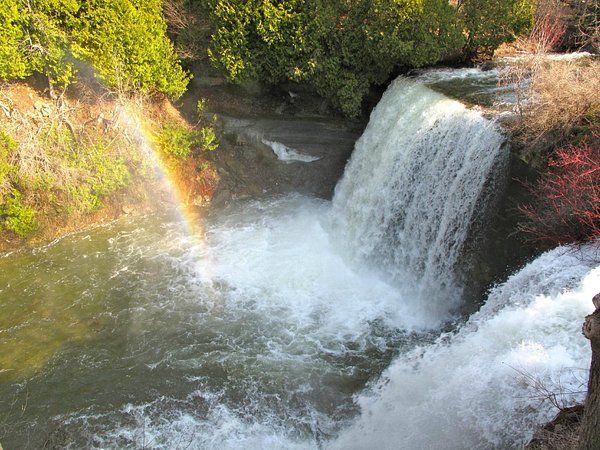
Bridal Veil Falls is a popular Kagawong stop, but wet surfaces, stairs and changing access conditions deserve attention. Check the current local information and choose the part of the visit that suits your group's mobility. A photograph does not establish safe access on the day.
Give Kagawong time beyond the waterfall. A community walk or meal can make the stop more enjoyable and distribute the visit away from a single crowded feature. Park only where the full vehicle is permitted and avoid blocking residents or access roads.
Providence Bay provides a different pace. A beach visit, shoreline walk or boardwalk outing can fill an afternoon without a complicated schedule. Wind and water conditions matter, so treat swimming or paddling as decisions made at the site rather than guaranteed itinerary items.
These places can be combined if your base and the day's weather make it comfortable. If the group is tired after a walk, split them across two days. Shortening an outing often improves the rest of the trip more than adding one more stop.
Indigenous-led experiences and respectful access
Manitoulin is a place of living communities and cultures, not just scenery. Wikwemikong Tourism offers opportunities to learn through experiences led by local hosts. Review the actual offerings, meeting locations and reservation requirements rather than arriving expecting an unscheduled tour.
Choose an experience that fits the group's interests and abilities. Ask about travel time, clothing, walking conditions and photography expectations. Follow the host's guidance and let the booked activity shape the day rather than treating it as a quick attraction between other stops.
Publicly visible land is not automatically open for camping, walking or photography. Respect private property, community rules and any area requiring permission. An RV's ability to stop almost anywhere does not create permission to stay overnight.
Allow purchases and meals to be part of the visit where appropriate, and follow local directions about where guests are welcome. Good planning makes the encounter more relaxed for both visitors and hosts. The most useful preparation is a confirmed invitation or booking and time to listen.
Misery Bay and the western island
Misery Bay Provincial Park is a day-use destination, not an RV campground. Do not reserve accommodation elsewhere assuming you can move the camper into the park for a night. Check current park information, permits and trail conditions before planning the excursion.
A western island day needs an honest mileage estimate from your base. Give the main destination enough time and add another community stop only if it fits comfortably. A route that looks compact on a small map can involve a substantial return drive.
Choose trail lengths according to weather and the group, and check where RV parking is appropriate. Carry basic walking supplies and saved information because connectivity may be uneven. Avoid beginning a longer walk late in the afternoon simply because the drive took longer than expected.
Gore Bay or another western community can offer a different focus if the group prefers a harbour or town visit to a trail. Pick the day around interests rather than trying to claim the entire island in one outing.
Fuel, supplies, tanks and communication
Use larger service centres on the approach for the main fuel and grocery stop. On the island, places such as Little Current and Mindemoya are useful supply reference points, but the exact station or shop should be checked for your route and vehicle access. Browse campgrounds with dump stations to compare your options.
Do not equate a town's services with a guaranteed RV dump station or a large pull-through fuel lane. Ask the campground about water and waste arrangements and keep enough tank capacity for the planned stay. A service run should be scheduled before it becomes urgent.
Save your ferry confirmation, campground address, road route and important contact details offline. Rural reception can vary. A screenshot of a booking is helpful, but also retain the written instructions so you know what to do if arrival is delayed.
Shop with the itinerary in mind: simple breakfasts, packed lunches for walks and one or two meals that can be prepared quickly after driving. Check fire restrictions and campground rules before relying on a campfire to cook dinner. Keep a reliable indoor alternative.
Final booking and budget checks
Compare the two route options using complete costs: ferry fare for the measured combination, mainland kilometres, fuel, campgrounds and any additional overnight stop. A ferry can be worth choosing for the experience even when it is not the cheapest approach. Looking for another Ontario trip? See Toronto to Algonquin by RV, or browse the best RV trips in Ontario.
Check cancellation and change terms for every linked reservation. If the sailing changes, know which campground booking is affected and who to contact. Travel insurance or rental agreements should be assessed according to your own arrangements rather than assumed to cover every disruption.
Before leaving Toronto, verify site fit, ferry eligibility if applicable, check-in instructions and the return route. These are the decisions most likely to disrupt the trip if left vague. Keep the rest of the itinerary flexible enough to adapt to wind, rain or a slower-than-expected day.
More route guides: Toronto to Niagara Falls by RV and Trans-Canada RV route: east half.
Frequently asked questions
Can an RV reach Manitoulin without a ferry?
Yes. Drive toward the Sudbury area, continue toward Espanola and follow Highway 6 to Little Current. This northern road connection is the practical alternative to the seasonal Chi-Cheemaun. Allow more mainland kilometres and enough time for breaks.
How far is it from Toronto?
Many island campground destinations involve about 350–400 road kilometres using Tobermory and the ferry, or roughly 520–650 kilometres using the northern road approach. Exact distances depend on the Toronto starting point and island base. Ferry time is additional.
What is the important propane rule?
The operator's August 7, 2026 notice limits built-in or integrated propane cylinder capacity and the total onboard cylinder capacity to 65 litres, with at most two cylinders. Capacity must be verifiable. Check the current notice and contact the terminal about your actual equipment.
Is an almost empty large propane tank acceptable?
Do not assume so. The notice concerns capacity, rather than only the quantity of propane remaining. Verify the tank markings and obtain guidance from the ferry operator. Use the all-road option if eligibility cannot be confirmed.
How early should we arrive for Chi-Cheemaun?
The operator currently requires arrival at least one hour before scheduled departure to preserve the reservation. Recheck your booking instructions and leave additional road buffer. A mainland overnight can make an early sailing much easier.
Can we camp at Misery Bay?
No. Misery Bay Provincial Park is a day-use destination. Stay at a suitable island campground and visit separately after checking current access, permits and trail information. Do not treat the park as an overnight fallback.
How many nights should we stay?
A five-day trip works for a focused visit, while seven days gives more room for mainland travel and an extra island experience. Use one campground base for a short stay and group day trips by area. Avoid crossing the whole island every day.
Official sources
Rules, fees, and services change. Check these directly before you travel.
- Chi-Cheemaun operator: bookings, check-in and current sailing information.
- Current propane capacity notice: essential RV eligibility information.
- Batman's Camping: site categories and booking enquiries.
- Providence Bay Tent & Trailer Park: location, facilities and reservations.
- Misery Bay Provincial Park: day-use information and notices.
- Cup and Saucer visitor information: land-manager guidance.
- Wikwemikong Tourism: Indigenous-led experiences and bookings.
- Ontario 511: approach-road conditions.