
The short answer
Toronto to Algonquin by RV is a straightforward introduction to Ontario park camping if you choose a campground along the Highway 60 corridor. The drive usually follows Highway 400 and Highway 11 toward Huntsville, then Highway 60 through Dwight to the park's West Gate. Your campsite may be considerably farther east than the entrance, so navigate to the booked campground rather than treating the gate as your destination.
Allow roughly 280–350 km from Toronto to a western or central corridor campground, depending on your departure address and chosen site. A sensible RV allowance is three and a half to five hours before substantial stops or congestion. Three days creates a short camping break; five days lets you combine a hike, a paddle, a visitor-centre visit and an afternoon with no scheduled outing.
This guide focuses on frontcountry RV camping along Highway 60. Algonquin's backcountry canoe routes and separate access points such as Achray and Kiosk require different planning. They are not interchangeable destinations simply because they share the Algonquin name.
Trip at a glance
| Planning item | What to expect |
|---|---|
| Main route | Highway 400 → Highway 11 → Huntsville → Highway 60 |
| Approximate one-way distance | 280–350 km to many corridor campgrounds |
| RV driving allowance | 3.5–5 hours before longer stops |
| Recommended stay | 3–5 days |
| First-visit season | June–September; October for a foliage-focused trip |
| Main booking decision | Campsite length, access and electrical service |
| Water and waste | Shared facilities; verify campground arrangements |
| Separate sightseeing vehicle | Helpful, but a motorhome trip can work |
A campsite reservation is the foundation of this trip. Trails, lakes and viewpoints come afterward. Booking a site that actually fits the vehicle is more important than securing a famous campground name or a particular photograph.
Choose your campground before choosing your itinerary
Algonquin's corridor campgrounds offer different settings and distances from activities. Start by writing down the complete RV length, any tow vehicle or trailer requirements, electrical needs and accessibility priorities. Check the individual site listing and photographs, then ask park staff about anything the booking information leaves uncertain. Our list of big-rig-friendly campgrounds is a good place to start if you tow a long trailer or drive a large motorhome.
An advertised maximum equipment length does not answer every manoeuvring question. A long motorhome may fit on a pad but encounter a tight approach; a trailer may need space for both camping equipment and the detached tow vehicle. Tree cover, slope and the shape of the entrance matter as much as the numeric length.
Electrical sites are available in several campgrounds, but service is not the same as a private resort's full hookups. Plan to use your freshwater tank and holding tanks when the selected site does not provide water or sewer connections. Verify amperage and bring the adapters appropriate to your equipment.
If your preferred site is unavailable, compare another corridor campground before changing the entire trip. A quieter location with a suitable pad may be a better first RV experience than a crowded central loop that forces awkward parking. Keep the booked campground name visible on the dashboard arrival notes.
Four campground options to compare
Mew Lake is a useful first shortlist for visitors who want a central corridor base and a mix of electrical and non-electrical choices. Its year-round camping offering does not mean every summer facility operates through winter. Check the precise loop, dates and service arrangements for the season you are booking. Our directory also lists campgrounds in the Muskoka, Haliburton and Algonquin region, including Huntsville, if you want a private park on the approach.
Lake of Two Rivers suits travellers who value a lake-oriented campground setting and proximity to corridor activities. Review the individual site carefully; popularity and a familiar name do not guarantee the best fit for a large rig. A beach afternoon can become the main event rather than an extra squeezed between hikes.
Canisbay Lake offers another attractive lake base with some electrical camping. Pay attention to restrictions attached to particular loops, including dog-free or radio-free areas. These affect whether the site suits your party, even when the vehicle itself fits comfortably.
Pog Lake is another established corridor option with electrical and non-electrical sites. Compare access, site dimensions and facility locations rather than assuming every loop has identical services. The right choice depends on how you plan to spend your days, not a universal ranking.
Use the official Algonquin camping information to compare current options, then examine the live reservation inventory. Campground dates, facilities and available site categories can change, particularly around shoulder seasons and maintenance work.
Reserve the site and understand your permits
Ontario Parks normally releases campsite inventory under its published reservation rules. Check the current booking window directly before setting a reminder or coordinating a group. Popular summer weekends and autumn dates can fill quickly, so choose several suitable sites rather than relying on a single favourite.
Read the reservation confirmation immediately. Confirm arrival and departure dates, campground, equipment category, vehicle details and the selected service level. Correct a mismatch early, while alternative inventory may still exist. Save an offline copy because mobile service can be unreliable inside the park.
Day-use vehicle permits and campsite reservations are related but different products. Do not automatically purchase an additional permit for every outing from a booked campground. Confirm what vehicle access your camping permit includes, how any extra vehicle is handled, and whether an activity requires a separate booking.
For a day visit without a campsite, check the advance day-use permit system and any capacity limits. Autumn weekends are particularly poor occasions to arrive without knowing whether you can enter. A confirmed place to sleep does not replace checking the current status of trails or visitor facilities.
The drive from Toronto to the West Gate
Pack groceries, drinking water and the basic camping kit before leaving the GTA. A large shopping stop is usually easier outside the park than after you have entered and started navigating campground loops. Fill fuel while access and choice are straightforward, using a station that accommodates the entire vehicle. If you are collecting a rental, our RV rentals page explains how renting works.
Highway 400 and Highway 11 can carry heavy cottage-country traffic. Leave a realistic buffer and keep the arrival plan flexible. An early departure helps only if the driver is rested and the rental or loading arrangements allow it; rushing the handover to win a highway hour creates avoidable problems.
At Huntsville, follow the route toward Highway 60 and Dwight. Beyond the West Gate, continue to the exact campground entrance shown on your confirmation. Distances within the park can surprise first-time visitors, especially when a campsite is farther east than the attractions they first researched.
Make the final leg a daylight arrival when possible. Tree shade, signs and unfamiliar loop roads are easier to assess before dusk. If you are delayed, follow the park's late-arrival instructions rather than assuming the office remains open or that every empty-looking pad is available.
Arrival day: establish a comfortable base
Inspect the site before committing to a turn or reversing manoeuvre. Look for branches, rocks, uneven edges and the practical location of the electrical pedestal. Use a spotter where appropriate, with clear hand signals and an agreed stop signal. Nobody should stand between the vehicle and a fixed obstacle.
Level and secure the RV, then connect only the services provided for that site. Confirm the electrical connection matches your equipment before relying on it. Keep hoses and cables arranged so they do not create a trip hazard or stretch across neighbouring space.
Find the nearest washroom, drinking-water point and waste arrangements while daylight remains. Knowing these locations prevents unnecessary driving when tanks need attention later. Store the departure-day dump-station route separately from the sightseeing plan so you do not accidentally tow through a busy activity area.
Spend the first evening close to camp. A short lakeside walk, a simple meal and time to settle in are enough after a travel day. Save the longer hike or unfamiliar paddle for a morning when you can check weather, daylight and the day's conditions without an arrival deadline.
A relaxed three-day itinerary
Day 1: Toronto to camp. Drive north with one useful break, enter by the West Gate and continue to your booked campground. Set up, orient yourself and enjoy the campground surroundings. This is not the day for an ambitious trail simply because the mileage seems modest.
Day 2: One main outdoor activity. Choose a hike that suits the whole group or a short guided or independently arranged paddle. Pair it with the visitor centre or another easy stop if time and energy allow. Return to camp early enough for a beach visit, reading or a quiet dinner.
Day 3: A small final stop and departure. Pack dry equipment where possible, secure the interior and handle waste according to the campground arrangements. A brief stop at the logging museum or a suitable viewpoint can work if parking is appropriate. Leave enough time for traffic on the return to Toronto.
This plan gives you one complete day in the park. It works best when you resist adding an eastern access area or multiple lengthy hikes. Choose activities near your base and treat anything beyond the main daily outing as optional.
A more spacious five-day itinerary
Day 1 remains an arrival and setup day. Day 2 becomes your main hiking day, with a shorter interpretation stop afterward if the group still has energy. Select the actual trail using current park information rather than relying on a social-media photograph.
Day 3 can be a paddling day. Arrange equipment and advice in advance, and choose a launch and route appropriate to conditions and experience. A first canoe outing does not need to involve a portage or a large exposed crossing to feel rewarding.
Day 4 is a deliberately lighter day: visitor-centre exhibits, a short walk, a lake afternoon or a campground meal with no long drive attached. Keep it flexible so a wet or windy forecast can move the paddle to a better day.
Day 5 is departure. Pack and complete any water or waste tasks before joining the highway. If returning to the GTA on a busy afternoon, budget that time honestly rather than calculating from an optimistic car journey made in different conditions.
Five days also suits mixed-interest groups. One person can prefer birdwatching while another wants a beach, without the entire trip becoming a daily race. Staying at one campsite keeps setup work low and gives the trip a pleasant rhythm.
Choose hikes by conditions and effort
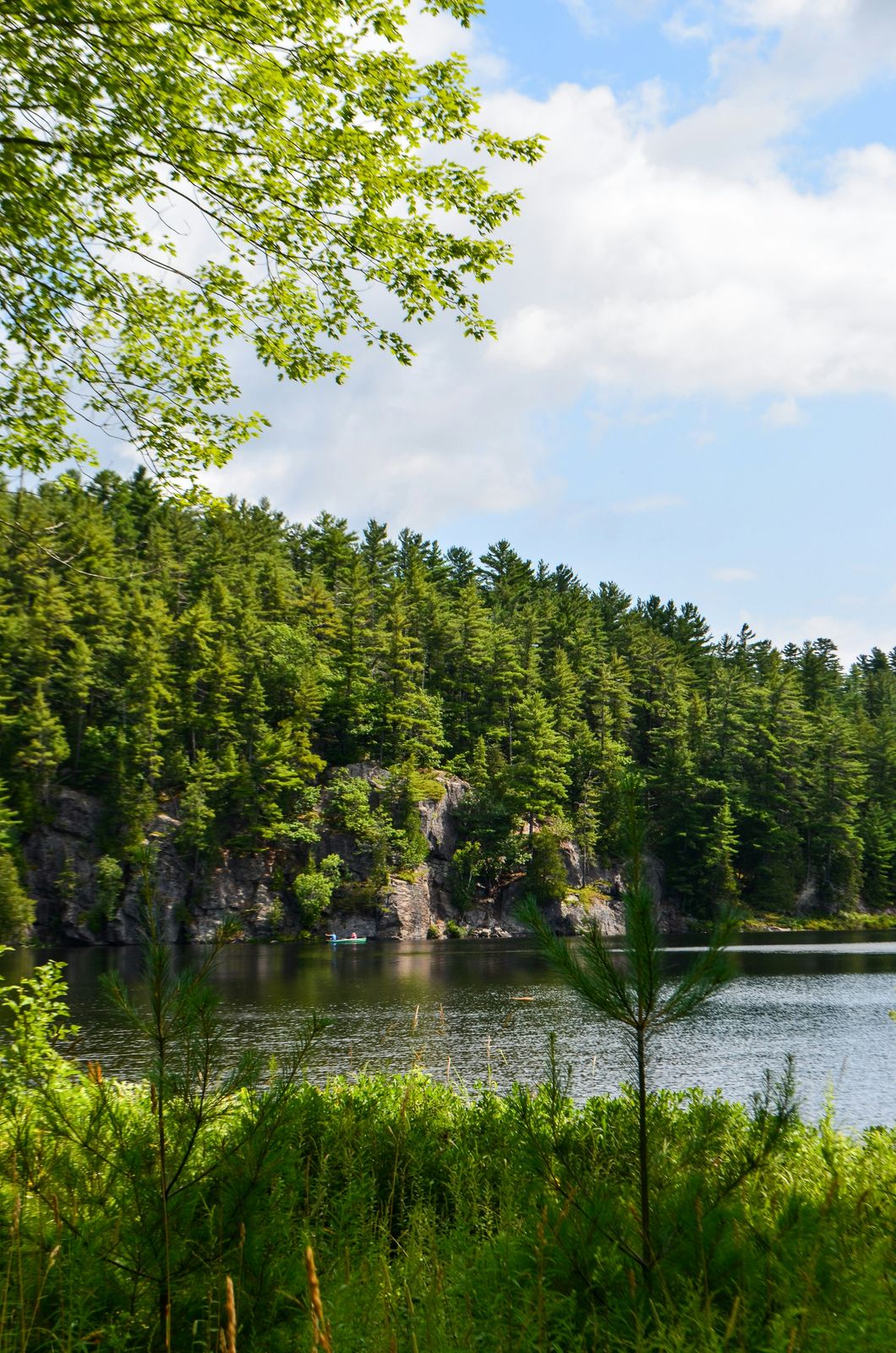
Algonquin's interpretive trails offer different lengths, surfaces and terrain. Lookout Trail is a familiar autumn choice, but a famous view does not make the walk suitable for every visitor. Check the current description, elevation changes and closures before leaving camp.
Choose one trail that the least confident walker can enjoy. Roots, rocks and wet leaves can slow a group well below its usual pace on a pavement walk. Carry water, a snack, a weather layer and a map or saved trail information, even when the route appears short.
Parking is a separate RV question. A trail may be open while its lot is crowded or difficult for a long vehicle. Arrive at a quieter time where possible, confirm the parking layout and avoid blocking traffic or using roadside shoulders as an improvised oversize lot.
Do not walk farther simply to meet an itinerary written before you saw the conditions. A short woodland trail followed by time at the lake can be a complete day. The aim is to enjoy the setting and return comfortably, with enough daylight and energy for camp chores.
Paddling without overcomplicating the trip
A canoe or kayak outing can be the most memorable part of this trip, but it deserves its own planning. Arrange an outfitter or rental source that can explain the launch, equipment, return time and a realistic route for your group's experience.
Wear appropriate personal flotation devices and follow the provider's instructions. Wind can turn a seemingly calm lake into a much harder return journey. Check the forecast and conditions at the water, and choose a sheltered outing rather than assuming yesterday's photograph describes today's lake.
Keep the first paddle close to a straightforward launch and within the group's capabilities. A guided experience can remove uncertainty about navigation and equipment handling. Families should decide seating and supervision before reaching the water, rather than treating those details as a last-minute problem.
An RV rooftop is not automatically an easy canoe carrier. Verify the rack, loading method and vehicle clearance before transporting a boat. If that becomes cumbersome, choose an outfitter that provides equipment at the launch and keep the camper parked at its base.
Visitor centre, logging history and rainy afternoons
The visitor centre is valuable early in the stay because it helps put the landscape, wildlife and park history in context. Check current hours and access before making it the anchor of a wet-weather day. A visitor facility is still an outing with a parking and travel requirement.
The logging museum offers another way to understand the region beyond its scenic photographs. Give the visit time rather than treating it as an obligatory five-minute stop on departure. Current route conditions and opening arrangements should guide how you combine it with a walk.
Rain changes the schedule, not the purpose of the trip. Prepare a few indoor activities for the RV and plan meals that do not require every piece of outdoor equipment to stay dry. Ventilate and manage wet clothing so the living space remains comfortable.
A weather buffer is especially useful for paddling. Move the activity to a calmer day and use the wet afternoon for interpretation, reading or a short suitable walk. Do not replace one unsafe outdoor plan with another simply to keep a busy itinerary intact.
Summer, autumn and shoulder-season choices
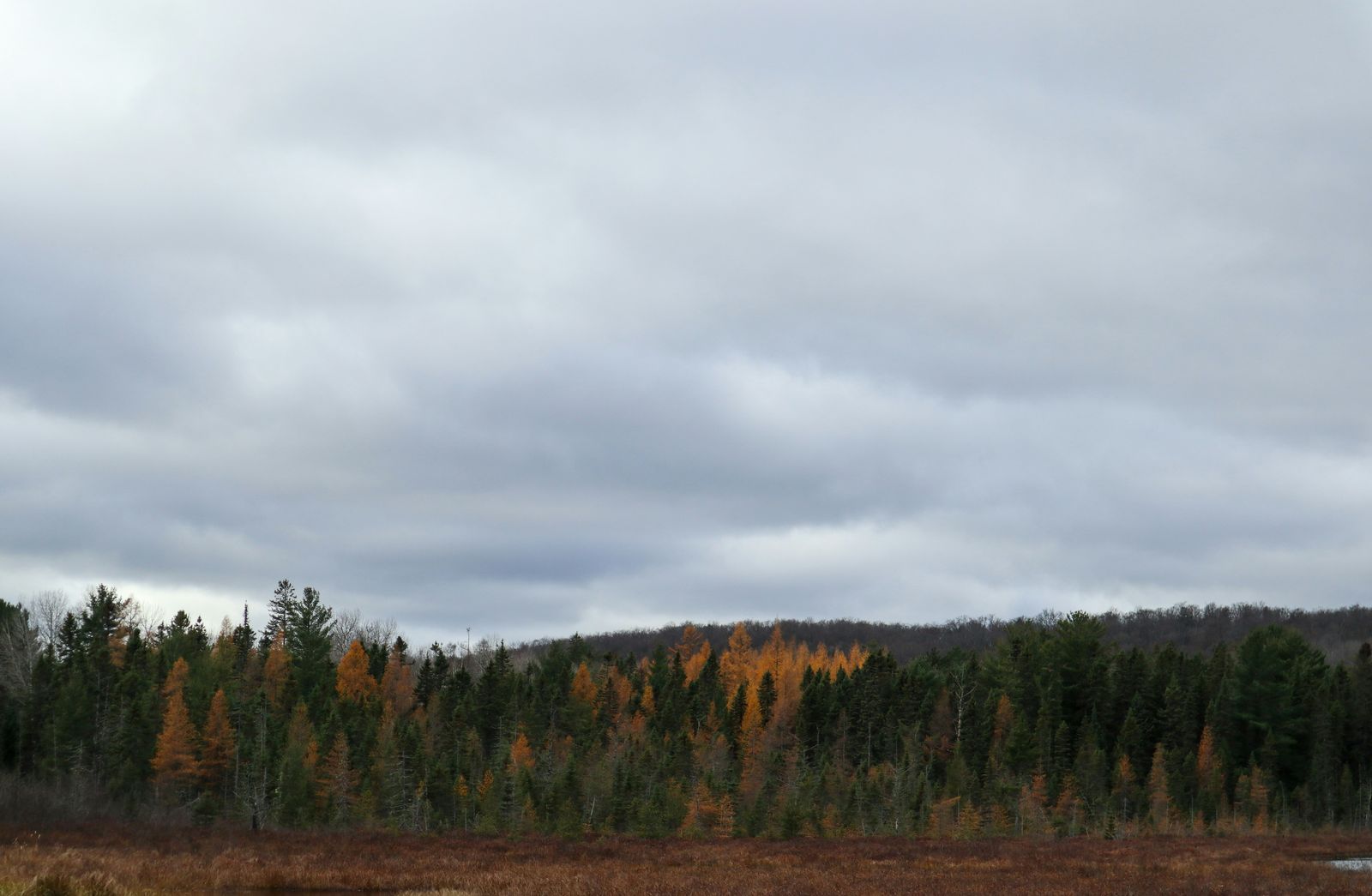
Summer offers long daylight hours and the broadest first-visit possibilities, but popular dates need early booking. Bugs and warm weather affect comfort, so bring suitable clothing, screens and practical outdoor gear. Keep food and scented items stored according to park guidance. More best RV trips in Ontario are listed on our trips page.
An autumn trip has a different rhythm. Colour timing varies by year, and a booked October weekend does not guarantee peak foliage or warm evenings. Check the park's current updates, carry warmer layers and account for shorter daylight on walks and the return drive.
Shoulder-season facilities may operate differently from midsummer. Confirm campground opening dates, drinking-water availability, washrooms and your RV's readiness for overnight temperatures. Do not infer winter service from a campground's year-round name or assume an unprepared rental is suitable.
Wildlife viewing should be patient and respectful. Keep your distance, follow food-storage guidance and never obstruct Highway 60 for a photograph. A sighting is a bonus rather than something a route guide can promise. Quiet observation from a safe legal location is better than pursuing an animal.
Water, power, connectivity and daily camp routines
Build a simple tank plan around the selected site's services. Arrive with enough water for setup and the first evening, then confirm where potable filling is permitted. Use shared facilities considerately and avoid attaching hoses to taps that are not intended for RV filling. Browse campgrounds with dump stations to compare your options.
Check tank levels each morning instead of discovering a full holding tank before bedtime. On a longer stay, decide whether a mid-trip service run is necessary and how it will affect your day's activities. Consolidating that task with a planned drive can save breaking camp twice.
Generator permissions, hours and quiet rules must come from the park's current policies and your campground area. Do not book a radio-free loop expecting unrestricted noise. If electricity is essential for your party, reserve a suitable electrical site rather than relying on an uncertain workaround.
Save confirmations, route maps and important contacts offline. Mobile reception can be uneven, and a connected device should supplement rather than replace basic orientation. Tell your group how to meet if someone returns to camp earlier or a phone stops receiving messages.
Budget and booking priorities
Separate fixed reservations from optional activities. Campsite costs, rental charges, fuel and any applicable permits form the core budget. Equipment rentals, guided outings and meals bought outside camp can then be added deliberately, with cancellation terms checked before payment. Looking for another Ontario trip? Compare Toronto to Manitoulin Island by RV or Toronto to Niagara Falls by RV.
A serviced site may cost more but reduce power-management concerns. Conversely, an unserviced site can suit a prepared RV and a simpler stay. The right comparison includes comfort and equipment needs, not just the nightly price printed on the booking screen.
Keep the return journey in the budget. Fuel for local excursions and campground access adds to the headline Toronto-to-park mileage. A tow vehicle makes sightseeing easier but still uses fuel and may have separate parking or permit requirements.
Before departure, verify the site fit, campground dates, current park notices and intended activity access. These four checks resolve more practical problems than an elaborate hourly timetable. Leave room for weather and a spontaneous quiet afternoon beside the water.
More route guides: Toronto to Ottawa and Montreal by RV and Trans-Canada RV route: east half.
Frequently asked questions
Is Algonquin suitable for a first RV trip?
Yes, with a suitable frontcountry campsite and a modest itinerary. Choose a Highway 60 campground, confirm the site's dimensions and services, and arrive in daylight. Backcountry camping and remote access areas require different equipment and planning.
How long is the drive from Toronto?
Allow roughly 280–350 km to many western or central corridor campgrounds and around 3.5–5 hours before substantial stops. The Toronto departure address, traffic and campground location matter. A campground farther east can add distance beyond the West Gate.
Are full hookups available at every campground?
No. Electrical sites exist in several campgrounds, while water filling and waste disposal can be shared facilities. Verify the exact site's electrical service and current campground arrangements. Do not assume a water tap and sewer connection are included at the pad.
Which campground should a large RV choose?
Choose by the individual site's equipment limit, entrance, pad shape and parking space. Mew Lake, Lake of Two Rivers, Canisbay and Pog Lake are useful options to compare, but none guarantees every site suits a large rig. Ask park staff if the listing is unclear.
Do campers need an extra day-use permit?
Check the access included with your camping permit and the rules for additional vehicles. Do not automatically buy a separate day-use permit for the same camping vehicle. Visitors without campsite reservations should check advance day-use permits and capacity limits.
Can we visit without a separate car?
Yes, if you plan around activities with appropriate RV parking or spend more time at your campground. Driving a motorhome to every trailhead can be inconvenient. Confirm lots and equipment rentals in advance, and avoid overloading the itinerary with distant stops.
Is October a good time to visit?
It can be excellent for foliage, but colour timing, weather and campground services vary. Reserve early, check seasonal dates and current notices, and prepare for colder nights and shorter daylight. Summer operating arrangements should not be assumed in autumn.
Official sources
Rules, fees, and services change. Check these directly before you travel.
- Algonquin Provincial Park: park notices, facilities and activity information.
- Algonquin camping: campground choices and site categories.
- Ontario Parks reservation rules: current booking policies.
- Ontario Parks day-use permits: advance vehicle access arrangements.
- Friends of Algonquin Park: interpretation and additional trip information.
- Ontario 511: current provincial road conditions.