
The short answer
Toronto to Niagara Falls by RV is an easy distance to turn into a rewarding short trip. You can spend one day around the falls, another exploring Niagara-on-the-Lake or the parkway, and still have time to enjoy your campground. The most important decision is how you will reach the attractions after parking the RV.
Allow approximately 130–150 km one way from many Toronto starting points, with substantial variation across the GTA. Driving can take two to three hours in an RV, and congestion can extend it. Three days gives you two campground nights and one full sightseeing day. Five days adds a slower Niagara region visit without filling every afternoon with driving.
The usual route is Toronto → Queen Elizabeth Way → Niagara Falls campground, with the final exit selected for your accommodation. No border crossing or ferry is required. Stay on the Canadian side unless you have deliberately planned a separate United States excursion with the correct documents and rental permission.
Trip at a glance
| Planning item | What to expect |
|---|---|
| Main one-way distance | Roughly 130–150 km; GTA departure address matters |
| Driving time | About 2–3 hours, potentially longer in congestion |
| Recommended visit | 3–5 days |
| Main highway | Queen Elizabeth Way, usually called the QEW |
| Best general season | May–October for a first camping visit |
| Main RV challenge | Falls-area parking and campground access |
| Useful sightseeing transport | Smaller vehicle, WEGO or another confirmed option |
| Ferries | None required |
The route distance is short enough that people underestimate the rest of the day. A rental pickup, loading, grocery stop and campground setup can take longer than the highway journey itself. Build those tasks into your arrival plan.
Why an RV trip works well here
An RV campground gives you a base away from the busiest tourist streets. You can prepare meals, rest between outings and spend evenings outdoors where permitted. For families, campground recreation can be as important as another paid attraction.
The trip does not require taking the RV along the entire Niagara Parkway. A parked trailer and tow vehicle are convenient, while a motorhome can work well if the campground has practical access to visitor transport. Verify that transport first, especially if you are travelling without a separate car.
Niagara Falls and Niagara-on-the-Lake provide different experiences. The falls area is dramatic and busy, with large attractions and entertainment. Niagara-on-the-Lake offers historic streets, waterfront views and access to nearby food and wine experiences. Give each its own time rather than trying to visit everything in one afternoon.
Planning the QEW drive
Calculate the trip from your actual home, storage site or rental depot. Leaving from eastern Toronto can involve a much longer urban transfer than leaving from the western GTA. Check traffic before departure and leave enough time for a rest stop and campground arrival. If you are collecting a rental, our RV rentals page explains how renting works.
Follow signs carefully around interchanges and maintain a comfortable following distance. The QEW carries a mix of commuter traffic, trucks and trip vehicles. A short journey does not remove the need to keep the trailer stable and avoid abrupt lane changes.
Have your campground’s exact address and recommended exit saved before leaving. Do not navigate to a falls viewpoint as your first stop unless you have confirmed parking suitable for the complete rig. It is usually simpler to set up at camp and visit the waterfront later with appropriate transport.
If you use a toll route to avoid congestion, check current charges for the vehicle and any rental administration costs. Make that choice deliberately. A navigation app’s predicted saving may not justify an unfamiliar route or a bill you did not budget for.
Day 1: Arrive, set up and organize sightseeing
Leave with groceries and the RV ready for at least two nights. Check tires, lights, hitch connections and loose items. Keep the first arrival practical: fuel if needed, check in and inspect the site before turning or reversing into it.
A campground arrival is a good time to confirm the next day’s transport. Ask where the nearest operating stop is, whether you need a pass, what time services finish and how to return after an evening visit. Do not assume a map marker establishes a convenient service for your dates.
A short first-evening visit to the falls can be attractive when energy and transport allow. If the travel day was longer than expected, stay at camp and visit the following morning. The falls deserve your attention more than a tired late-night arrival.
For families, avoid booking the first timed attraction too close to check-in. Children may prefer dinner and campground time after loading and highway travel. Leaving the first evening flexible prevents a minor delay from disrupting the whole trip.
Where to camp near Niagara Falls
Niagara Falls KOA Holiday
Niagara Falls KOA Holiday on the Canadian side is one private option to compare. Its operator lists RV site categories including full-hookup and larger-rig options. Select a specific site with enough length and appropriate electrical service rather than relying on the campground’s general description.
Investigate its current connections to sightseeing transport. The presence of a route nearby does not guarantee the same frequency, stop or ticket arrangement all season. Verify the service you intend to use and plan the return to camp.
Other private campgrounds
Other Niagara-area operators offer different combinations of shade, pools, family activities and services. Compare location and actual site dimensions, then ask about sewer, water, amperage and extra-vehicle parking. Some parks may have restrictions on arrival times, equipment or the type of camping unit. Our directory lists campgrounds in the Niagara and Hamilton region so you can compare more options.
A campground farther from the falls can be attractive when the site itself is part of the trip. It may be less convenient for travellers without a smaller vehicle. Work out the daily transfer before choosing the lowest nightly price.
Park-style alternatives
A provincial park farther into the Niagara region can create a more nature-focused stay. Research the park’s actual location, available RV sites and current services, then decide whether the drive to the falls is acceptable. Do not present a regional beach campground as if it were next to Table Rock.
For a three-day visit, one base is enough. Changing campgrounds near the same destination usually consumes time you could use for sightseeing or relaxing.
Day 2: The falls and Queen Victoria Park
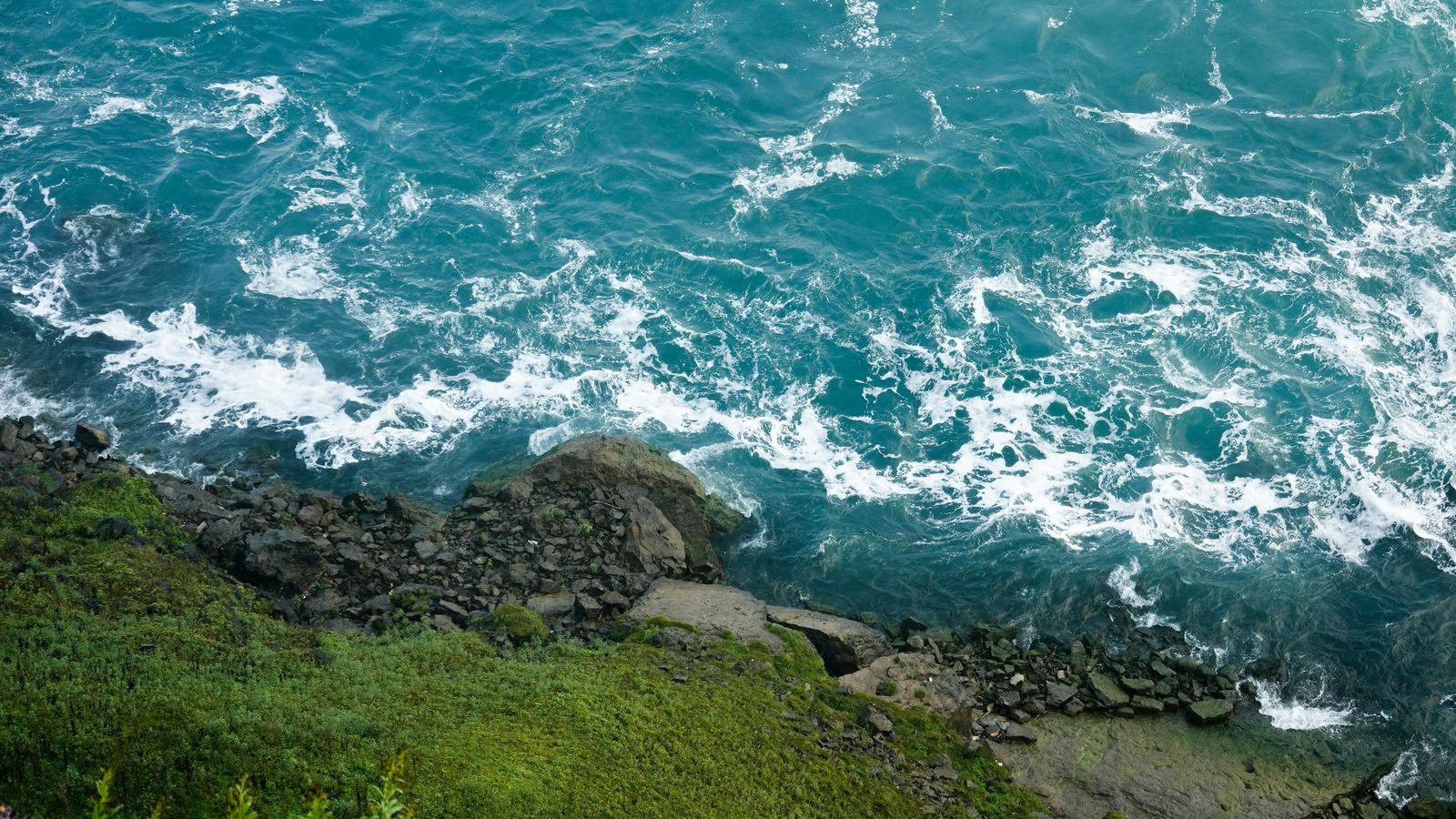
Give the main falls area a full, unhurried day. Start with the viewpoints and walking areas around Queen Victoria Park and Table Rock, then choose one or two paid experiences according to your interests. Walking beside the falls is a memorable activity in its own right.
Expect mist, wet surfaces and crowds. Wear shoes with good grip and carry a light rain layer. Keep phones and cameras secure, especially near busy railings, and do not lean across barriers for a clearer picture.
A boat outing or Journey Behind the Falls can be a worthwhile addition, but check current availability, tickets and operating conditions. Boat operations are seasonal and weather-dependent. Do not assume every attraction included in a summer brochure is available on a late-autumn visit.
Leave a proper lunch break. Niagara’s attraction cluster can encourage visitors to keep going until everyone is tired. Returning to camp for a rest may be worthwhile when your transport plan permits, or choose a shaded rest stop and reduce the afternoon schedule.
WEGO and getting around without the RV
Niagara Parks describes WEGO as a visitor transportation system connecting its sites and other tourism areas. It can help reduce repeated parking moves, but you must check the current lines, stops, ticket rules and timetable for the specific places you plan to visit.
Confirm how to get from your campground to an operating stop. A service shown on a region-wide map may still require walking along an unsuitable road, driving to a parking location or arranging another transfer. Accessibility and late-evening service deserve a separate check.
Do not confuse a sightseeing pass with a vehicle parking permit or assume every attraction package includes the same transport. Read the details of the product you buy and save its redemption instructions. Combining tickets without understanding coverage can create unnecessary expense.
For a motorhome without a tow car, choose a campground and transport arrangement together. The most useful booking is one that lets you reach the falls comfortably and return safely, rather than a site selected first with transport improvised after arrival.
Falls-area parking and large RVs
Niagara Parks publishes parking information for its lots, including the main falls parking area. However, a listed car park should not automatically be treated as a suitable space for a large motorhome or truck-and-trailer combination. Check oversized access directly before arriving. Our list of big-rig-friendly campgrounds is a good place to start if you tow a long trailer or drive a large motorhome.
Know your complete length and height, including racks, storage boxes and a tow vehicle. Look for a clearly designated place and an exit you can use without reversing into traffic. If a lot is busy or unsuitable, continue to an appropriate alternative rather than blocking circulation while deciding.
Parking passes and attraction admission are different purchases. Check whether a pass covers your vehicle category and the lots you intend to use. Follow posted time limits and avoid turning a day-use space into an overnight campsite.
Where possible, leave the large RV at camp and bring a smaller vehicle. It gives you more choice around the tourist streets and avoids losing a campground afternoon to maneuvering between full lots.
Clifton Hill and evening visits
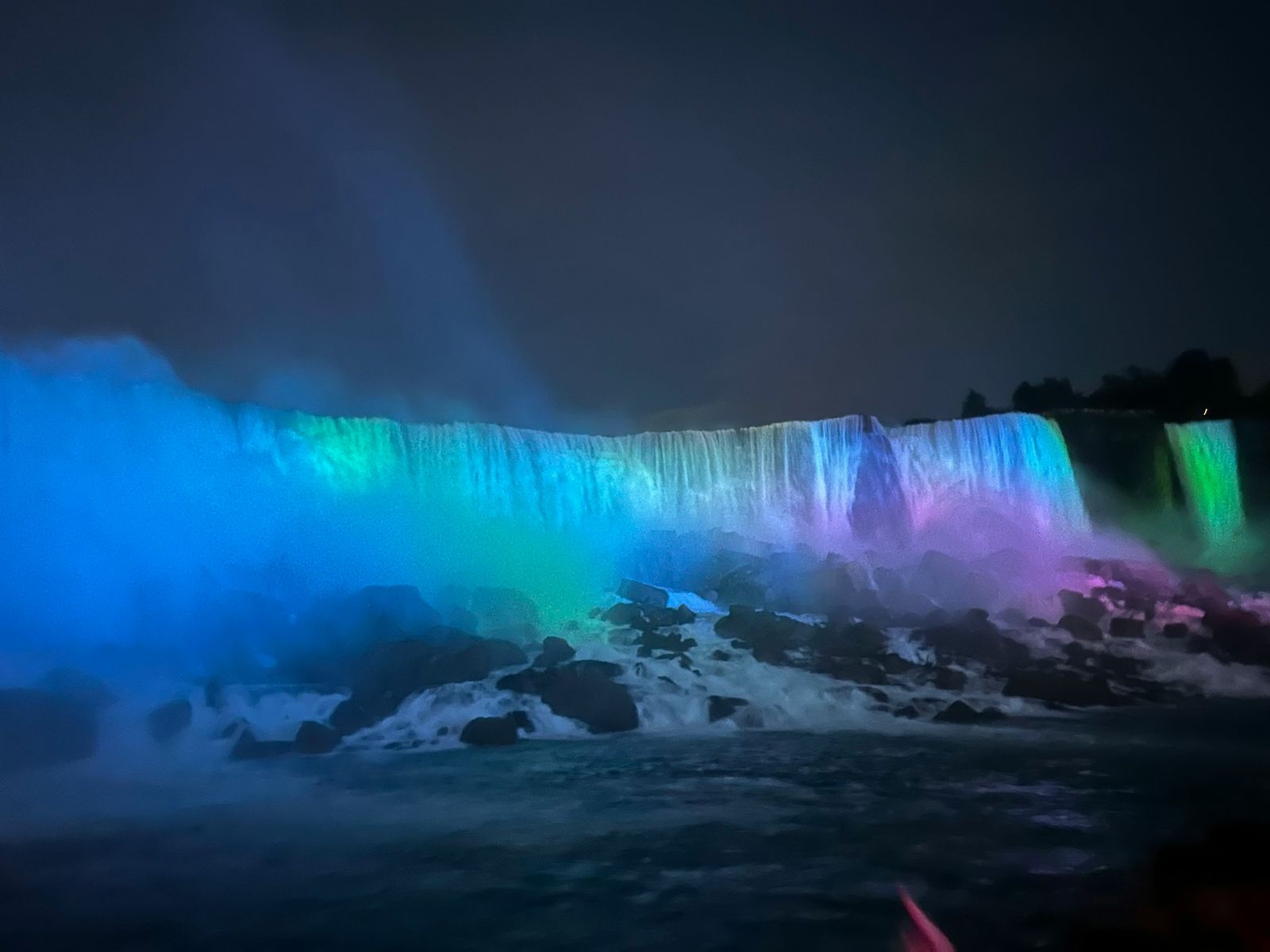
Clifton Hill offers a lively entertainment contrast to the natural drama of the falls. It can be enjoyable for families, but decide how much time and money you want to spend before entering a cluster of paid activities. A walk and one chosen experience may be enough.
Plan evening transport before sunset. Check the return timetable or parking arrangement and keep your group’s meeting point clear. A late evening can be fun when everyone has enough energy; it can be frustrating when the last leg back to camp was never considered.
Check current Niagara Parks information for illumination and any scheduled events. Do not assume fireworks or other presentations happen every evening. Weather and event calendars can change the plan.
For young children, a shorter evening followed by time at camp may work better than staying until the latest possible program. The RV trip should still feel restful rather than like two consecutive days of standing in queues.
Day 3: Niagara-on-the-Lake and the parkway
Niagara-on-the-Lake makes a natural second sightseeing area for a longer stay. Walk the historic streets, enjoy the waterfront and choose a meal or cultural stop that suits your group. Plan parking before you bring a large motorhome into the town centre.
The Niagara Parkway can connect scenic outings, but many small attraction lots are easier with a car than a trailer. Pick a few stops and check their access rather than assuming the whole route is a sequence of effortless RV pullouts.
Fort George is an option to research if history interests you. Confirm its current opening hours, admission and programs directly with Parks Canada. A seasonal historic site may not offer the same experience every month.
If wineries are on the plan, organize a designated driver or appropriate transport. Ask about RV access before bringing the motorhome to a property with a narrow lane or limited turnaround. A reservation for a tasting is not a parking reservation for a long vehicle.
Three-day itinerary
| Day | Suggested activities | Overnight |
|---|---|---|
| 1 | Toronto to campground; setup; optional easy evening outing | Niagara campground |
| 2 | Falls viewpoints, one major attraction and a relaxed afternoon | Same campground |
| 3 | Short Niagara-on-the-Lake visit or campground morning; return | Home or next destination |
Day three needs a choice. A substantial Niagara-on-the-Lake visit followed by peak traffic back to Toronto may be more demanding than expected. If you want a full day there, extend the stay instead of treating the return as an afterthought.
Five-day itinerary
| Day | Suggested activities | Overnight |
|---|---|---|
| 1 | Arrive and settle into camp | Niagara base |
| 2 | Falls and Queen Victoria Park | Same base |
| 3 | Niagara-on-the-Lake and one parkway stop | Same base |
| 4 | Additional attraction, beach-region outing or campground day | Same base |
| 5 | Tank service and an unhurried return | Home or onward |
Keep day four flexible for weather, children’s preferences or an attraction postponed earlier. You do not need a new reservation every morning. A pool afternoon or simple camp meal can be a valuable part of a trip that already includes busy tourist areas.
For seven days, consider adding another Ontario destination after Niagara instead of repeating the same road each day. A forest-and-lake stop such as Toronto to Algonquin by RV or a city trip such as Toronto to Ottawa and Montreal by RV would suit that extra time. Choose a place with enough distinct activities to justify moving the RV.
Fuel, food, propane and dump stations
Toronto and the wider GTA are convenient for the initial shop. Niagara Falls and nearby communities have supplies for resupply, so you do not need to overfill the refrigerator for a short stay. Carry essentials and plan a shopping stop that fits your vehicle. Browse campgrounds with dump stations to compare your options. For propane basics, see our RV propane rules for Canada page.
Choose fuel stations with clear access, enough turning room and suitable canopy height. If you need propane, confirm filling hours and the kind of tank or cylinder service provided. A convenience store selling portable bottles may not fill an onboard motorhome tank.
A full-hookup campsite simplifies water and wastewater use, but confirm each connection. For electrical-only or unserviced stays, ask about the campground’s current dump and fill arrangements. Non-guest access can be restricted, and seasonal stations can close before all camping options disappear.
Set aside time for tank service on departure day. Keep drinking-water gear separate from sewer equipment and follow posted instructions. Dumping at a campground is a normal part of the trip, not a task to postpone until you are already stuck in Toronto traffic.
Best months, weather and pet planning
Late spring through early autumn is the simplest general period for a first RV stay. May can provide pleasant walking conditions with some seasonal services still ramping up. July and August bring busy attractions, heat and high campground demand. More best RV trips in Ontario are listed on our trips page.
September and early October can be attractive for a slower visit, but check campground operation and specific attraction schedules. A sunny forecast does not mean a boat trip, pool or evening program follows its summer timetable.
Pack rain gear for weather and mist, plus warm layers for evenings beside the river. On hot days, plan shade and rest breaks. An RV’s air conditioner needs reliable power and suitable electrical service; do not assume a parked pet will remain comfortable if equipment or supply fails.
Check where pets may accompany you before booking activities. A long attraction day requires a responsible care arrangement, not simply leaving an animal in the RV and hoping the temperature stays acceptable.
Costs, accessibility and a comfortable return
Budget for camping, fuel, attractions, parking and transport separately. Packages can be useful when they match the experiences you want, but purchasing a long list of activities can make you feel obliged to rush. Compare the total price with individual tickets.
For accessibility, check each attraction’s current information and the transport connection from your campground. A short map distance may include stairs, steep approaches or uneven surfaces. Plan a shorter route with reliable rest opportunities if that better suits your group.
Before returning, pack outdoor equipment, secure cupboards and inspect the RV. Check traffic and choose a proper break if the journey stretches beyond the expected time. Leave enough margin for a rental return, including refuelling, tank requirements and unloading.
For a short trip, success is enjoying the falls and the region at a comfortable pace. You do not need every paid viewpoint or entertainment stop to come home with a memorable trip.
Make a short trip feel spacious
Build the main falls day around one or two experiences you actually want. If a boat trip is the priority, organize the rest of the day around its current operating arrangements. Leave room for a meal, a waterfront pause and the journey back to camp.
Use the second full day for a different pace. Niagara-on-the-Lake or a campground afternoon provides a change from the busy falls area. A five-day stay does not need five attraction-heavy days; the extra time can make ordinary meals, walks and travel more comfortable.
Before leaving camp each morning, check tickets, weather and the return connection. Carry the campground address and agree on a meeting point if the group splits up. These small decisions prevent a relaxed outing from ending with an avoidable transport problem.
More route guides: Toronto to Manitoulin Island by RV and Trans-Canada RV route: east half.
Frequently asked questions
How far is Toronto to Niagara Falls by RV?
About 130–150 km from many Toronto starting points, with significant variation across the GTA and destination campgrounds.
How many days should I allow?
Three days gives you a good first visit. Five days lets you include Niagara-on-the-Lake and more relaxed campground time.
Can I take a large RV into the falls parking lots?
Confirm oversized access and availability directly with the parking operator. A listed car park is not automatic confirmation that your complete RV combination fits.
Can I use WEGO from any campground?
Not necessarily. Check the current stop location, operating timetable and connection from your booked campground.
Do I need to cross into the United States?
No. This itinerary stays in Canada. A separate US visit requires its own documents, vehicle permissions and border plan.
Are the attractions open year-round?
Some are, while others have seasonal or weather-dependent operation. Check each attraction for your actual travel dates.
Is a full-hookup campsite necessary?
No, but it can simplify a family stay. An electrical-only or unserviced site requires a workable water and wastewater plan.
Official sources
Rules, fees, and services change. Check these directly before you travel.