
The short answer
Vancouver to Tofino by RV combines a ferry crossing, Vancouver Island forests, a winding coastal highway and some of Canada’s most memorable beaches. It is a wonderful trip when you give the travel days room to breathe. It becomes tiring when you treat the ferry as a quick bridge and Highway 4 as an ordinary high-speed road.
The standard route is Vancouver → Horseshoe Bay or Tsawwassen → Nanaimo → Parksville/Qualicum Beach → Port Alberni → Highway 4 → Tofino. Depending on the terminal and your starting address, allow roughly 230 to 270 km of driving, about 207 km of it from Nanaimo to Tofino, plus the sailing. Driving and sailing alone can occupy six to eight hours; check-in, waiting, traffic and sightseeing make the complete journey longer.
Five to seven days is a sensible first visit. Book an RV campsite and both ferry crossings before building an ambitious sightseeing schedule. For a large motorhome or trailer, consider a night on the east side of Vancouver Island before driving Highway 4. That separates a deadline-driven ferry day from a mountain-and-coast driving day.
Trip at a glance
| Planning item | What to expect |
|---|---|
| Route | Mainland ferry to Nanaimo, then Highways 19 and 4 |
| Distance | About 230 to 270 km by road plus the ferry, depending on terminal |
| Total travel day | Often a full day after boarding procedures and breaks |
| Recommended trip | 5–7 days, with two or more full coast days |
| Best general season | May–September; shoulder seasons need closer service checks |
| RV priorities | Accurate ferry dimensions, campsite reservations, Highway 4 conditions |
| Main resupply places | Nanaimo, Parksville, Port Alberni, Ucluelet and Tofino |
| Overnight camping | Reserved campgrounds; day-use parking is not an overnight plan |
The coast is not a warm-water beach resort. Fog, cool evenings and rain can arrive in summer, and the ocean remains cold. Pack for walking in wet weather as well as sitting in the sun.
Choosing your ferry route
Horseshoe Bay to Departure Bay
This route is convenient for many travellers starting in Vancouver or on the North Shore. Departure Bay is in Nanaimo, giving you access to shopping and services before travelling north toward Parksville. Traffic around Horseshoe Bay and the approach roads can be demanding at busy times, so leave a margin for the terminal journey.
Tsawwassen to Duke Point
This option may fit better if your RV pickup or home is south of Vancouver. Duke Point is south of Nanaimo. Compare the full journey from your actual address rather than choosing solely on sailing duration. An easier terminal approach can matter more than saving a little time aboard.
Check BC Ferries for the current sailing schedule and availability. The two Nanaimo terminals are different places; a reservation for one does not let you simply appear at the other. Save the confirmation and terminal directions offline and check them before starting the engine.
Booking a ferry with a motorhome or trailer
Measure the entire travelling combination. Include the truck and trailer, tow car, rear storage, bike racks and projecting equipment. Record the height as well as length. BC Ferries uses vehicle dimensions in booking and pricing, and large or over-height spaces can fill even when a sailing appears to have some room remaining.
Our BC Ferries RV guide covers booking, vehicle lengths and Vancouver Island stops in more detail. Do not book a passenger-car category because your tow vehicle is a passenger vehicle. Enter the combination you will actually bring. If your dimensions or equipment do not fit the booking options, contact BC Ferries before paying. Correcting an inaccurate vehicle booking at a busy terminal can disrupt the whole trip.
Follow the check-in window on your confirmation. Being too late can lose the reservation; arriving far earlier than instructed does not guarantee earlier boarding. Build a separate buffer for Vancouver traffic, then aim to reach the terminal within the stated window. Keep snacks, water and medication accessible during the wait.
The fare is one component of the trip budget, not just a minor toll. Get a quote for both directions with your actual passengers and dimensions. Compare cancellation or change conditions before choosing a fare. A flexible return booking can be useful, but only if you understand what the fare permits.
Propane, pets and boarding procedures
Review BC Ferries’ current dangerous-goods guidance for your onboard and spare cylinders. At the time of writing, BC Ferries allows an RV up to two propane cylinders, no more than 46 L each and 65 L combined, closed, tagged, upright and securely attached, and it does not allow propane on passenger decks. Rules change, so confirm before you sail, and see our RV propane rules for Canada page. Follow crew instructions about shutting propane valves and pilot lights and applying tags. Plan refrigerator operation accordingly, and keep the refrigerator closed during the crossing when its cooling source is off.
Before the ramp, secure cupboards, the television, loose kitchen equipment and exterior storage. Raise leveling equipment and make sure roof accessories are stowed. Drive slowly and follow the loading crew; they manage vehicle placement around the deck layout. Ask for help if you are concerned about clearance or an unusually low rear overhang.
Take essential belongings with you when leaving the vehicle deck. Access rules vary by vessel and deck, and you should not assume you can return to the RV whenever you like. Arrange your pet’s travel according to the specific sailing’s rules, rather than relying on what was allowed on another boat years ago.
The crossing is a good opportunity for the driver to rest. Use the time to eat, stretch and review the island route. Resist adding so many errands after arrival that a relaxed ferry becomes the start of an exhausting evening drive.
Day 1: Vancouver to Nanaimo or Parksville
An east-coast overnight is especially useful when you are collecting a rental RV that morning. Vehicle orientation, groceries and a ferry reservation already make a substantial first day. Stay near Nanaimo or Parksville, settle into the equipment and leave Highway 4 for the following morning. Browse Vancouver Island campgrounds to find an east-coast overnight.
Rathtrevor Beach Park in Parksville is one option to research. BC Parks identifies it as a popular campground beside a broad sandy beach and says summer reservations are required. Check available site dimensions and services rather than assuming a provincial campground has full hookups.
This stop also creates a pleasant first destination in its own right. Walk the shore, make a simple meal and check DriveBC before bed. If you arrive late, go directly to the campground instead of adding a town sightseeing circuit while everyone is tired.
Day 2: Parksville to Port Alberni and the west coast
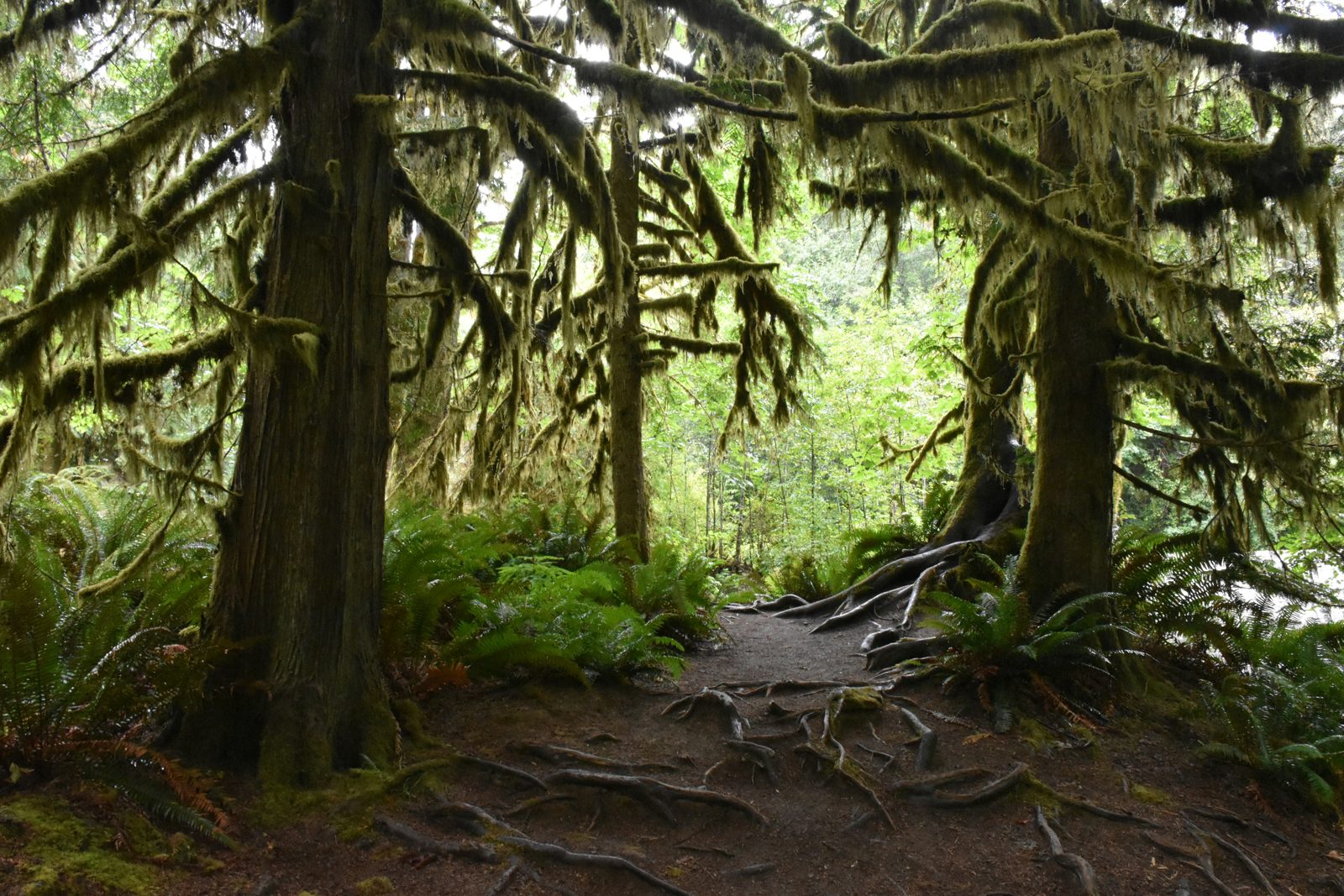
Highway 4 takes you inland past forest and lake scenery toward Port Alberni. Cathedral Grove in MacMillan Park is a famous old-growth stop along this part of the route. Its roadside setting requires care: parking and highway crossings can be difficult, particularly with a long RV.
Do not commit to a space until you can see how to enter and leave. If the parking area is full, continue safely and reconsider on the return journey. BC Parks advises staying off the grove’s trails on windy days because branches and trees can fall. This is a place to respect conditions rather than force a stop because it appears on every itinerary.
Port Alberni is a practical place for fuel, groceries and a real rest break. Buy what you need before the more winding section toward the coast. It is easier to solve a supply or mechanical issue here than beside a remote stretch of highway.
After Port Alberni, let the road set the pace. Allow several hours to reach your campsite with breaks, even when a map suggests a quicker drive. A scenic lake pullout is optional; a calm arrival before your campground’s deadline is the priority.
Highway 4 and large-RV driving
Highway 4 is a paved access road used by RVs, but it includes curves, grades and sections that demand close attention. It is not a road to rush because you lost time at the ferry. Check for closures, construction and traffic controls immediately before leaving Port Alberni. Our list of big-rig-friendly campgrounds is a good place to start if you tow a long trailer or drive a large motorhome.
Stay in your lane through curves and watch the trailer’s tracking. Use appropriate gearing on descents and maintain more following distance than you would in a car. Faster vehicles may accumulate behind you; use suitable pullouts where legal and safe, but do not squeeze into a short or uneven shoulder to be polite.
A large motorhome or fifth wheel can be manageable for an experienced driver, yet small attraction lots may be awkward. If you are nervous about your combination, practise maneuvering before the trip and consider an extra island overnight. Fatigue and unfamiliar controls are avoidable complications on a demanding road.
Do not substitute unverified forest roads when the main highway is delayed. A navigation app may propose a route that is unsuitable for your weight, height or ground clearance. Use official detour instructions and wait in a safe location if necessary.
Where to camp in Tofino and Pacific Rim
Green Point Campground
Green Point is the frontcountry campground in the Long Beach area of Pacific Rim National Park Reserve, between Tofino and Ucluelet. Parks Canada lists drive-in sites with electrical service, showers and a sani-dump. It is a useful base for national park beach and trail visits, but electrical service does not mean each pad has water and sewer hookups. Parks Canada lists 15- and 30-amp electrical service, potable water in the campground, flush toilets and a sani-dump. In 2026 the campground was open from May 1 to mid-October with a seven-night maximum stay, and reservations were recommended.
Book a drive-in site suitable for your RV. Walk-in tent sites are a different accommodation category. Review the pad dimensions and approach, then plan water and tank use around the services actually provided. Check the seasonal operating schedule and current reservation rules directly with Parks Canada.
Bella Pacifica and private Tofino options
Bella Pacifica is a private campground near Tofino to compare when you want beach access and proximity to town. Its operator recommends advance bookings and requires them for summer camping. Its website lists full-hookup RV sites, and its 2026 season ran from February 27 to October 31. Check the specific site category, RV length and hookup details before selecting a spot. Our directory also lists campgrounds in Tofino and Port Alberni.
Private parks can suit travellers who want sewer connections, laundry or a different beach location. They vary considerably, so compare a campsite’s actual pad and services rather than a general resort photograph. Ask about trees, branches, tow-car parking and the final access lane if your rig is large.
Ucluelet as a second base
Ucluelet is an alternative base for the same coastal region and offers its own waterfront and trail experiences. It is not simply a cheaper version of staying in Tofino; the daily driving pattern is different. If most of your activities depart from Tofino, check how the commute fits your plans before booking farther away.
A split stay can work on a longer trip, but two bases are unnecessary for most five-day visits. Moving the RV costs part of a day. Choose one base that suits your main interests and use a smaller vehicle or available local transportation for excursions where practical.
Day 3: Long Beach and rainforest walks
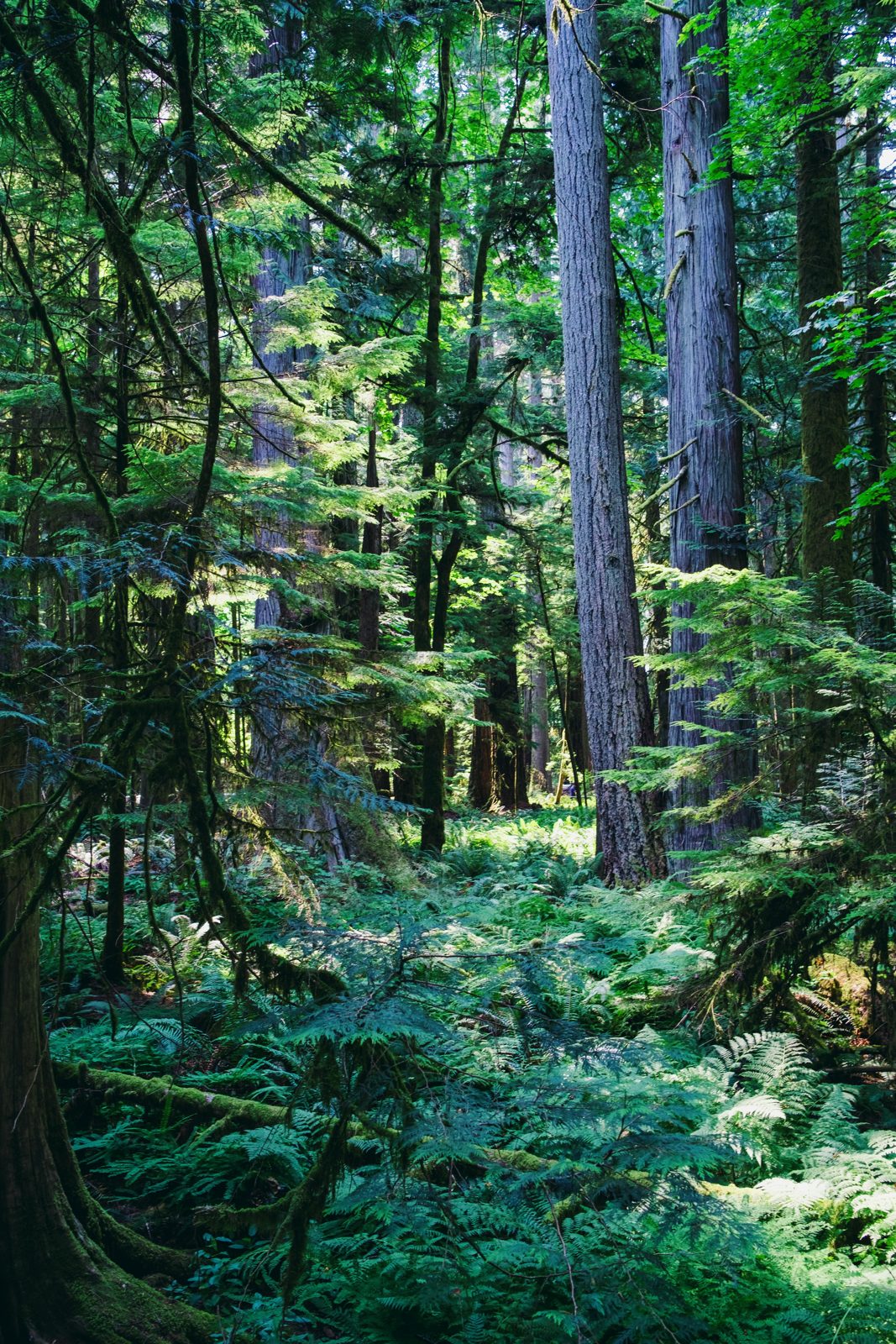
Spend your first full coast day on a small number of stops. Long Beach is the obvious starting point, with room to walk and take in the Pacific scenery. Check tides, weather, parking signs and park admission requirements. Stay clear of surf-exposed rocks and unstable logs; an incoming wave can move heavy driftwood.
Pick a rainforest walk that suits your group’s mobility and energy. Boardwalks can be wet and slippery, so footwear matters. A short, thoughtful walk is often more rewarding than rushing through several trails. Check current trail advisories and keep dogs leashed wherever pets are permitted.
Bring lunch and water, then return to the campground early enough to dry equipment and enjoy dinner. Wet jackets, sandy shoes and surf gear need a storage plan in an RV. A washable mat and a separate bin for damp items can keep a small living space comfortable.
Swimming and surfing require knowledge of cold water, currents and conditions. Use a reputable instructor for a first surf experience and follow local safety advice. Watching the surf from shore is a perfectly worthwhile activity when conditions or confidence do not suit entering the water.
Day 4: Tofino or Ucluelet
Choose between a Tofino-focused day and a Ucluelet excursion. In Tofino, walk the town, enjoy local food and consider a booked boat or wildlife trip with an appropriate operator. In Ucluelet, explore the waterfront and available sections of the Wild Pacific Trail according to current conditions.
Leave the big RV at its campsite where practical. Tofino has designated RV parking areas, but the presence of such parking does not mean you will find a suitable empty space beside every business. Check current visitor parking information before driving into town, and avoid blocking residential access.
Boat tours are weather-dependent. Avoid placing your only possible tour at the end of the final afternoon before a non-flexible ferry booking. Give yourself a chance to reschedule or accept that weather may require a different activity. Scenic shore walks can still make an excellent day.
Five- and seven-day itinerary ideas
| Day | Five-day plan | Overnight |
|---|---|---|
| 1 | Mainland ferry to Nanaimo; supplies; continue to Parksville | Nanaimo/Parksville |
| 2 | Highway 4 via Port Alberni; optional safe forest stop | Tofino/Pacific Rim/Ucluelet |
| 3 | Long Beach and one rainforest walk | Same coast campground |
| 4 | Tofino town or Ucluelet excursion | Same coast campground |
| 5 | Return through Port Alberni to a reserved mainland ferry | Mainland, or extra island night |
Day five is the longest day. For a more comfortable plan, add an island overnight before the ferry and travel home on day six. That prevents a Highway 4 delay from immediately threatening your sailing reservation.
With seven days, add another full coast day and the return-side island overnight. You then have time for a surf lesson, a second beach or an easy weather day. Three days is possible only as a very compressed visit; much of it will be spent in transit, so it is rarely the best first Tofino RV trip.
Fuel, groceries, water and dump-station planning
Nanaimo and Parksville are convenient for the first substantial shop. Port Alberni is the logical resupply checkpoint before the coast road. Tofino and Ucluelet have services, but stock enough familiar food and medication that you do not have to interrupt a beach day searching for one particular item. Browse campgrounds with dump stations to compare your options.
Start Highway 4 with a comfortable fuel reserve. Find a station where the combination can turn safely and clear any canopy. A loaded RV’s mileage on a winding road can be poorer than on the open highway. Consider the return trip too, rather than treating the arrival fuel level as the end of the calculation.
Confirm your campground’s water and wastewater arrangements. Green Point’s sani-dump is a useful service, but verify access, current operation and potable-water arrangements before relying on it. Private parks may limit dump use to registered guests. Never assume that a public restroom has an RV disposal point.
Coastal sites can be damp even in summer. Bring a hose you can store cleanly, drying cloths and a plan for keeping power connections off standing water according to equipment instructions. Follow campground guidance about hookups and avoid improvising an unsafe connection in the rain.
Weather, connectivity and responsible coastal camping
Carry waterproof layers, warm clothing and spare socks. Fog may obscure a famous view, and a rainy morning may be better for a town visit than a long exposed beach walk. Leave some afternoons unscheduled so you can take advantage of changing weather.
Download maps, campground directions and ferry confirmations. Coverage can be unreliable on parts of the island route, and weak campground Wi-Fi may not support work calls. If you need to work during the trip, confirm the actual connection options before choosing a secluded site.
Store food, garbage and scented items according to campground rules. Bears, wolves and cougars live in the region. Keep a clean campsite, supervise pets and do not approach wildlife for photographs. Buy firewood locally and respect current fire restrictions.
Use legal campgrounds for overnight stays. A day-use beach lot, roadside pullout or town parking space is not a substitute for a camping reservation. Respect local communities, posted access rules and culturally significant places, and choose Indigenous-led experiences where they fit your interests.
A practical return-ferry buffer
For a fixed return sailing, work backward from the terminal check-in window and add the full Highway 4 drive, a rest break and a realistic allowance for traffic. Check DriveBC before leaving the coast. If a major interruption appears, contact the ferry operator promptly about your booking rather than continuing on the assumption that a reservation can be held indefinitely.
An east-island overnight before the sailing is the easiest way to remove much of this pressure. It also lets you clean sandy equipment, organize tanks and enjoy one more relaxed evening instead of combining every departure task with the longest travel day.
More route guides: Vancouver to Kelowna by RV, Vancouver to Whistler to Kamloops by RV and Calgary to Vancouver by RV.
Frequently asked questions
Do I need a ferry to take an RV from Vancouver to Tofino?
Yes, when travelling from the mainland on this route. Reserve an appropriate vehicle sailing to Vancouver Island and check the return crossing as part of the same plan.
How long is the complete travel day?
Driving and sailing can take roughly six to eight hours, before check-in, waiting, sightseeing or delays. An intermediate island overnight makes the journey more comfortable.
Can a large RV use Highway 4?
RVs use the paved highway, but curves, grades and traffic require careful driving. Confirm your campsite fit and avoid unverified side-road shortcuts.
Does Green Point have full hookups?
Its drive-in sites have electrical service and the campground has a sani-dump. Do not assume individual sites have water and sewer connections; verify the booked site’s facilities.
Should I stay in Tofino or Ucluelet?
Choose according to your activities, preferred campground and available site size. Either can work for exploring the coastal region, but daily travel to the other town adds time.
Can I sleep in the RV at a beach parking lot?
Plan to use an authorized campground. Day-use parking does not establish permission to camp, and posted local rules must be followed.
Is five days enough for this trip?
It gives you a useful first visit with two full coast days. Six or seven days provides more weather flexibility and an easier return to the ferry.
Official sources
Rules, fees, and services change. Check these directly before you travel.