
The short answer
Vancouver to Kelowna by RV is a rewarding introduction to British Columbia’s changing landscapes. You leave the busy Lower Mainland, climb into the mountains around Hope, cross the Coquihalla and Okanagan Connector, and descend into a valley of lakes, orchards, vineyards and sunny campgrounds. The driving distance is roughly 390–410 km, depending on where you start and finish. Allow around five to six hours behind the wheel in an RV, with extra time for traffic, rest stops and mountain conditions.
Three days works for a short break, but five days gives you a much better trip. Spend the first day reaching your campground, keep two or three days for beaches and valley sightseeing, and leave a realistic return day. A seven-day trip lets you add Penticton, Summerland or a quieter stop near Merritt without packing up every morning.
The usual route is Vancouver → Hope → Highway 5 to Merritt → Highway 97C → West Kelowna → Kelowna. It avoids ferries and works for many motorhomes, travel trailers and fifth wheels. The challenge is the elevation change, rather than distance. A warm forecast beside Okanagan Lake does not tell you what the mountain highways will be like.
Trip at a glance
| Planning item | What to expect |
|---|---|
| One-way distance | Approximately 390–410 km; campground detours add distance |
| Driving time | About 5–6 hours without lengthy stops or delays |
| Recommended stay | 3–5 days; 7 days for a wider Okanagan trip |
| Main route | Highways 1, 5, 97C and 97 |
| Best general season | May–September, with mountain weather checks |
| Ferries | None on the main route |
| Main RV issues | Long grades, high-elevation weather, summer heat and campsite availability |
| Useful supply towns | Chilliwack, Hope, Merritt, West Kelowna and Kelowna |
These are planning estimates rather than a promise of arrival time. Use your actual departure address and campground entrance in a route planner, then add breaks. A large combination moving through summer traffic will take longer than a passenger-car estimate.
Choosing the route to Kelowna
The direct route through Merritt
Highway 1 takes you east through the Fraser Valley to Hope. Highway 5 then climbs north toward Merritt. Highway 97C, the Okanagan Connector, carries you east toward the Okanagan before you join Highway 97 for West Kelowna and Kelowna.
This is the most practical starting choice for a conventional Vancouver–Kelowna RV trip. It provides major service towns at useful intervals and keeps you on established highways. It still involves sustained climbs and descents. Check your loaded weight, towing setup and braking systems before leaving home, rather than discovering a problem above Hope.
The Highway 3 alternative
You can also travel from Hope along Highway 3 through Manning Park and Princeton, then use Highway 3A and Highway 97 through the southern Okanagan. This adds time and makes more sense when Manning Park, Keremeos, Penticton or Summerland are part of the trip. Our directory lists campgrounds at Manning Park, Princeton and Penticton.
Do not assume the alternate route is a flat bypass of mountain driving. It has its own curves, passes and descents. Choose it because you want its destinations and have checked current conditions. A closure on one route also does not automatically make every map-suggested back road appropriate for your RV.
Day 1: Vancouver to your Okanagan campground
Leave with fuel, food and enough drinking water for the day. Departing after collecting a rental RV can make this a surprisingly long first stage: vehicle orientation, shopping, loading and city traffic all happen before the mountains. If pickup is late, an overnight around Hope may be more comfortable than arriving in Kelowna after dark. Our directory lists campgrounds at Hope for that overnight.
The Fraser Valley gives you opportunities to organize supplies before the climb. Pick a fuel station with a clear exit and space around the pumps. For a trailer, check that you can drive through without reversing into a busy road. Buying groceries in a shopping area is easier when you inspect the entrance before committing your whole combination.
Hope is a useful decision point. Review DriveBC, look at the highway cameras and check your campground’s check-in deadline. If weather or fatigue makes the next section unattractive, change the plan while services are nearby. A confirmed campsite is helpful, but it should never become pressure to keep driving in conditions you cannot manage comfortably.
Beyond Hope, settle into a steady climbing speed. Let faster vehicles pass and watch engine and transmission temperatures in accordance with your manufacturer’s guidance. Merritt makes a sensible lunch and fuel break before Highway 97C. After the Connector, expect more local traffic, intersections and merging as you approach the lake.
Coquihalla and Okanagan Connector driving tips
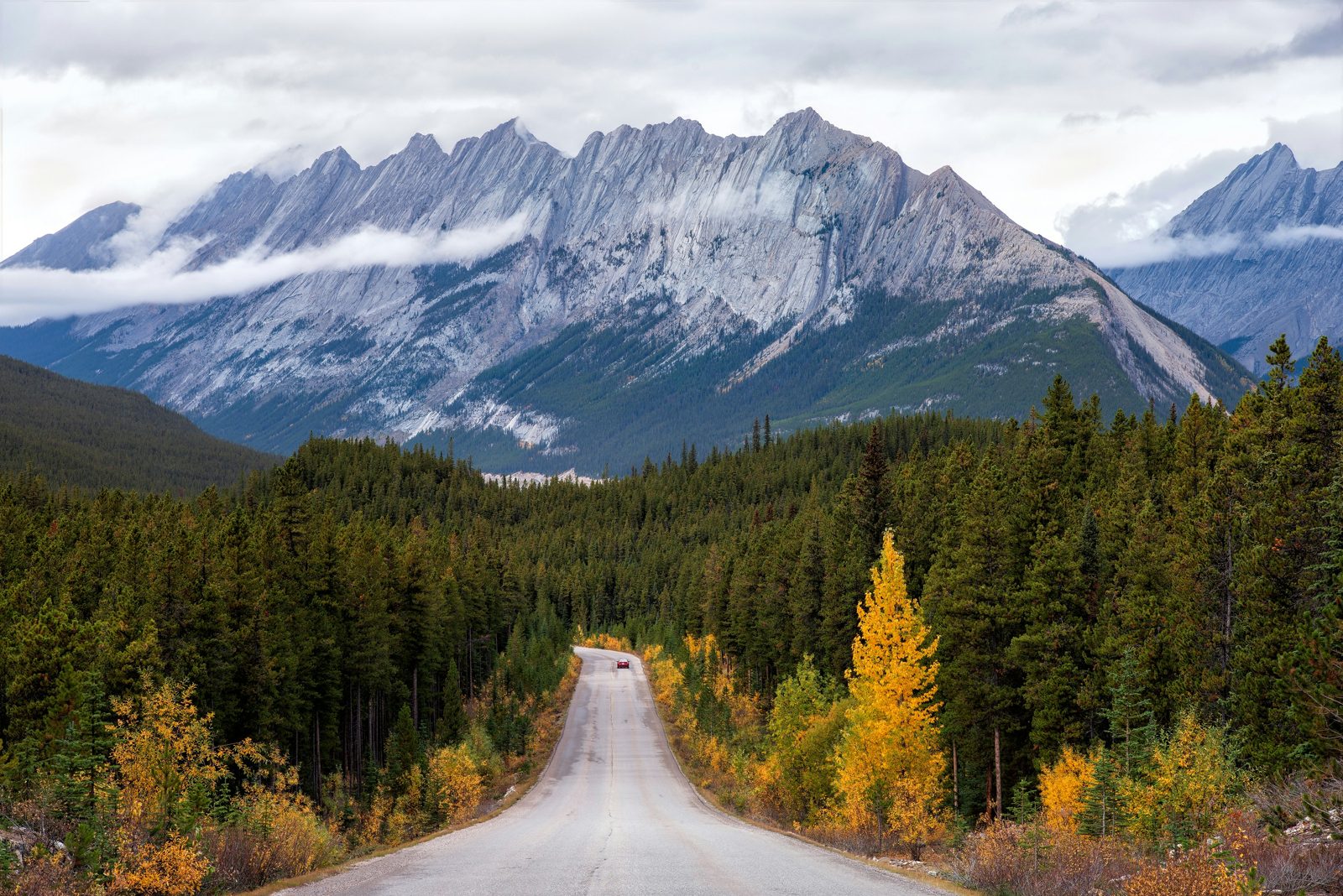
The two high highway sections are the defining driving feature of this trip. They can feel remote from the lakeside stay waiting at the other end. Rain, fog, gusts and snow can occur when conditions in Vancouver or Kelowna seem mild. Road cameras are especially useful because a forecast for the nearest city may not reflect the summit.
Select an appropriate gear before a long descent. Use the engine or exhaust brake only as directed for your vehicle and the road conditions. Avoid riding the service brakes continuously. If you are unfamiliar with your rental motorhome’s transmission modes, ask for an explanation before departure and practise while the road is easy.
For towables, verify the brake controller settings, breakaway cable and load distribution. A trailer that feels stable on level suburban roads may behave differently in crosswinds or during downhill braking. If your combination starts feeling unstable, slow safely and stop at a suitable location to investigate; do not try to cure it by accelerating into another grade.
Build a break into the day even if the distance looks modest. A rested driver can pay more attention to changing speed limits, trucks climbing slowly and traffic approaching exits. Never stop on a narrow shoulder for a photograph. The best mountain memory is worth very little if retrieving it puts passing traffic at risk.
Where to camp near Kelowna
Bear Creek Park
Bear Creek Park is on the west side of Okanagan Lake and is a useful option for a beach-focused stay. BC Parks describes lakeside camping, a sandy shoreline and canyon trails. Check its current advisories, campsite map and reservation listing before choosing a site; wildfire recovery can affect trail access separately from camping.
Its location is attractive when you want to spend more time by the lake than driving around downtown. Remember that getting between the west shore and central Kelowna involves local roads and bridge traffic. Enter the actual campground access road in your navigation, and check the final approach rather than relying on the park’s general map marker.
Okanagan Lake Park
Okanagan Lake Park, between Peachland and Summerland, is a useful alternative if your plans lean toward the southern valley. It has North and South campground areas. Compare their maps and available pads instead of treating every site as interchangeable. A lake view does not tell you whether a long fifth wheel will turn into the site easily.
Staying here changes your daily driving pattern. It is a good base for Peachland and Summerland, but repeated trips into Kelowna can use more time than you expect. If most of your booked activities are near downtown Kelowna, a closer campground may outweigh the appeal of a particular shoreline location.
Private RV parks
A private park in Kelowna or West Kelowna can be the better choice when you need full hookups, laundry or a larger pad. Confirm the actual services at the site you book: water, sewer and electrical amperage should be checked individually. “RV camping” does not necessarily mean every hookup is available. The Thompson-Okanagan campground directory lists more options across the valley.
Ask about total permitted length, additional vehicle parking, shade, pet rules and arrival instructions. For a big motorhome with a tow car, a long pull-through may simplify arrival, but verify whether you can stay connected. A campground’s overall suitability for big rigs does not guarantee every available pad is suitable.
Day 2: Kelowna waterfront and an easy sightseeing day
Keep your first full day simple. Walk the waterfront, enjoy a beach and explore the downtown area without moving your campsite. If you have a tow vehicle, use it. A smaller vehicle is easier to place in city parking than a large motorhome, and leaving the RV connected saves time when you return for lunch or an afternoon rest.
The lakefront is a good place to reset after mountain driving. Choose a beach with facilities that suit your group, check swimming advisories and follow local signs. Water conditions change, and a calm-looking lake can become windy. Life jackets belong on children near the water and on everyone using small watercraft.
For families, avoid filling the whole day with separate attractions. A morning walk, lunch and a long beach afternoon can be more enjoyable than moving through several parking lots. In warm weather, plan outdoor walking earlier, then give yourself a cool place to rest during the hottest part of the day.
Do not leave pets in a parked RV assuming the fan will keep it comfortable. Electrical supply and cooling equipment can fail. Plan outings around the animals travelling with you, and choose activities that let someone remain with them or take them along where permitted.
Day 3: West Kelowna, Peachland or Summerland
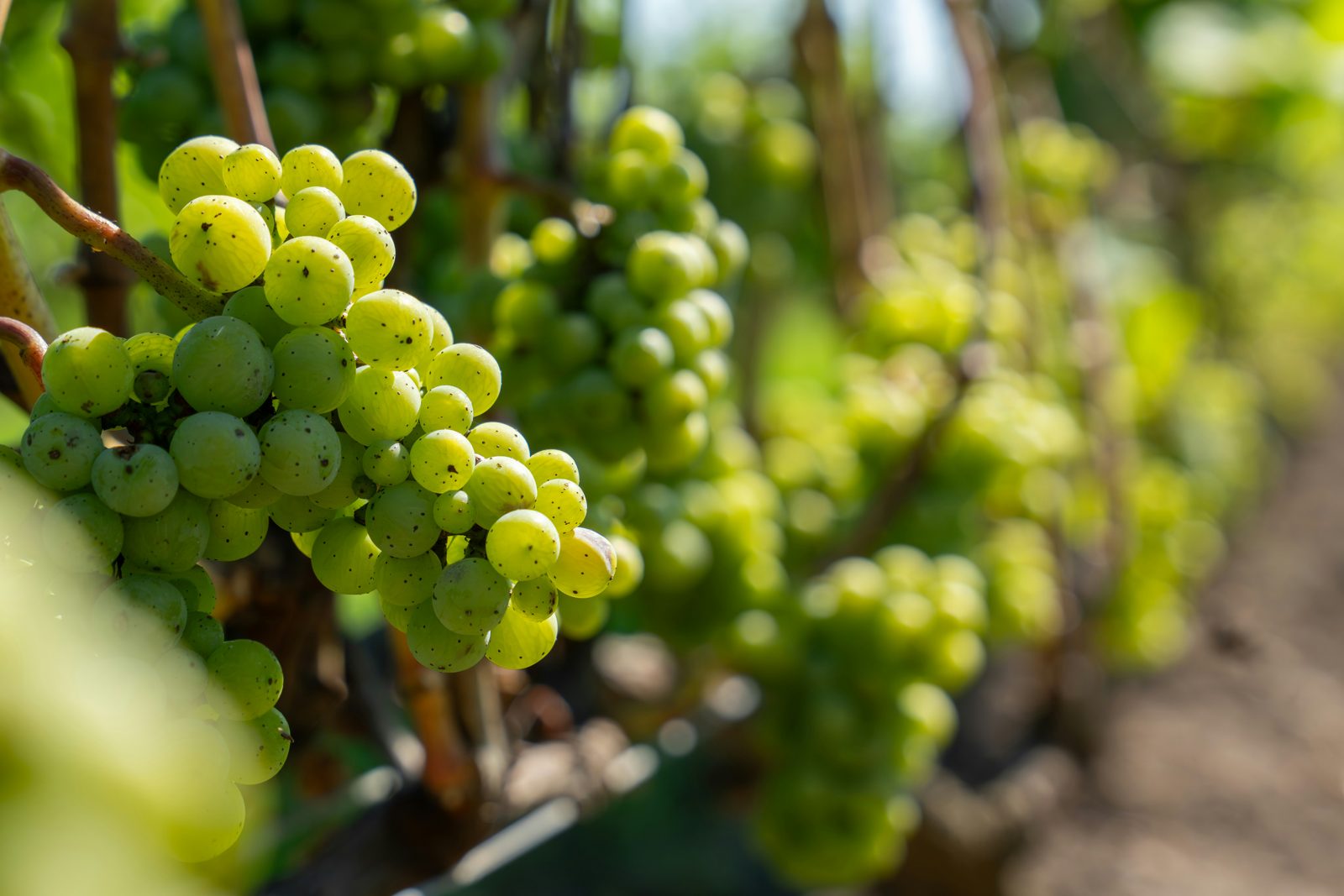
This is a good day for a valley excursion. Choose one direction rather than combining every town around the lake. West Kelowna offers convenient access to local food and wine experiences; Peachland suits a slower waterfront stop; Summerland adds another attractive town and lake setting farther south.
If you want to visit wineries, organize transportation before tasting. Some properties have narrow approaches, limited turnaround space or parking unsuitable for trailers. Ask directly about RV access if you intend to bring the motorhome. A tasting reservation is not confirmation that your vehicle fits the parking area.
Farm stands and orchards are part of the Okanagan’s appeal, but harvest timing varies by crop and year. Choose what is actually in season when you arrive. Keep purchases cool in summer and leave space in the refrigerator rather than stocking it so tightly that air cannot circulate.
A picnic is a useful way to enjoy the scenery without relying on a restaurant with big-rig parking. Buy supplies in town, stop at a designated day-use area and leave the campsite for the night. Do not turn a scenic roadside pullout into an improvised campground.
Three-, five- and seven-day itineraries
| Trip length | Suggested plan | Overnight pattern |
|---|---|---|
| 3 days | Drive to Kelowna; one full lake and town day; return | Two nights at one Okanagan campground |
| 5 days | Travel day; waterfront day; valley excursion; beach or hiking day; return | Four nights at one base, or split between west shore and southern lake |
| 7 days | Travel; two Kelowna days; move toward Summerland or Penticton; two southern valley days; return | Three nights near Kelowna and three farther south |
For a five-day trip, keep day four flexible. It can become a hike, a rest day, an extra lake outing or a replacement for something postponed by weather. Flexibility is particularly useful if smoky conditions change outdoor plans. Reserve accommodation first, then add activities that fit comfortably around it.
For seven days, moving once is usually enough. Repeatedly packing up a trailer, draining tanks and negotiating a new campsite can consume the time you meant to spend enjoying the lake. A second base should give you access to a meaningfully different area, not merely a different address.
Fuel, groceries, propane and dump stations
Use Vancouver or the Fraser Valley for your initial shop, Hope for a final check before the climb, and Merritt for a convenient intermediate stop. West Kelowna and Kelowna offer broad resupply choices at the destination. Start each mountain section with a comfortable fuel reserve and calculate range using your loaded RV’s consumption. Browse campgrounds with dump stations to compare your options.
Fuel stations are not all equally easy for long combinations. Look for generous pump islands and a route back to the road without tight reversing. Height clearance matters as well as length. If you need propane, ask about filling hours and staff availability before making a detour; a retailer selling cylinders may not fill an onboard tank.
Choose a dump-station plan before arrival. BC Parks listings and campground operators are the best place to confirm whether a station exists, is operating and is available to non-guests. A seasonal station may close while some campsites remain accessible. Confirm potable-water availability separately from wastewater disposal.
For a stay without sewer, estimate tank use from your actual habits. Showers, dishwashing and a family’s morning routine can fill the gray tank faster than expected. Use campground facilities where appropriate, conserve water and schedule a proper dump rather than treating a longer hose or nearby drain as a solution.
Summer heat, smoke and campground comfort
The Okanagan can be much hotter than the coast. Choose shade and electrical service deliberately if cooling is important to your group. A site photograph may show trees but not the direction of afternoon sun. Review the campground map, bring shade equipment allowed by the operator and secure it against gusts.
Air conditioning draws significant power. Check the site amperage and your RV’s electrical requirements, and avoid running too many appliances together. Never assume a household adapter allows an RV to operate every appliance normally. Follow your equipment guidance and ask the campground about electrical use if anything is unclear.
Wildfire smoke can affect views, comfort and outdoor activity even when a fire is far away. Check official emergency information and air-quality forecasts alongside the highway report. Evacuation orders and park closures take priority over bookings. Keep a route back toward major services available, rather than choosing an isolated overnight solely because it is inexpensive.
Pack both beach clothes and warm layers. The campground may be hot while a morning mountain stop on the return journey is cold. Keep jackets accessible in the cab so you do not have to unpack storage compartments at a rest area.
Best months and shoulder-season planning
May and June can be attractive for a quieter trip, but mountain conditions and campground operating dates need close attention. Lake activities may feel different from midsummer, and seasonal businesses may run shorter hours. Make the trip about the places available, rather than assuming every summer service has started. More best RV trips in British Columbia are listed on our trips page.
July and August offer the fullest summer atmosphere and the greatest demand. Book ahead, expect busy roads and plan for heat. September can give you a good balance of valley sightseeing and cooler evenings, although smoke, storms and an early mountain snowfall remain possible.
October is a different kind of trip. Some services begin shutting down, nights are cooler and mountain tire or chain requirements may apply. Consult current BC requirements for your vehicle and route. A sunny valley weekend does not remove the need to prepare for the high highways between Kelowna and Vancouver.
RV size, parking and a practical departure checklist
Smaller campervans have more flexibility at shops and attractions. Large motorhomes and trailers can make the main journey, but campsite access and destination parking deserve more planning. Record your height, width and loaded length, including bike racks, storage boxes and anything projecting beyond the vehicle body. Our list of big-rig-friendly campgrounds is a good place to start if you tow a long trailer or drive a large motorhome.
Before departure, check tires, fluid levels, brakes, hitch connections and lights. Secure cupboards and loose items. Keep reservation numbers, campground directions and emergency contacts offline. Bring a drinking-water hose, pressure regulator, leveling equipment and suitable electrical adapters. Check that your roadside assistance covers the actual vehicle and trailer you are using.
Before leaving Kelowna, service the tanks if practical and check both Highway 97C and Highway 5. Plan a lunch stop before the long descent to the Fraser Valley. Allow extra time for traffic approaching Vancouver and avoid ending a mountain travel day with a rushed urban arrival.
An easier return-day routine
Prepare breakfast and pack loose equipment the evening before departure. In the morning, allow time to disconnect hookups, walk around the RV and check the campsite for forgotten items. Stop again after the first short stretch if you need to confirm that everything is secure.
For a trailer, check the coupling, safety connections and lights together with your travelling partner where possible. Agree on a lunch stop around Merritt or Hope before leaving the lake. That gives the return day a comfortable rhythm and reduces the temptation to keep driving simply because home seems close on the map.
More route guides: Vancouver to Whistler to Kamloops by RV, Vancouver to Calgary by RV, Calgary to Vancouver by RV, Vancouver to Tofino by RV and Taking an RV on a BC Ferry.
Frequently asked questions
How far is Vancouver to Kelowna by RV?
Plan on approximately 390–410 km one way using Highway 5 and Highway 97C. Your precise starting point, campground and sightseeing stops change the total.
Can a large motorhome take the Coquihalla and Okanagan Connector?
Many RVs use these highways. Your vehicle must be properly maintained, loaded within its limits and suitable for mountain driving. Individual campsites and attraction parking may impose tighter limits.
Is Highway 3 easier than Highway 97C?
It is a different mountain route, not a guaranteed easy bypass. Use it when you want Manning Park and the southern Okanagan, and compare current road conditions before deciding.
Do I need a ferry for Vancouver to Kelowna?
No ferry is needed when starting on the mainland. Travellers starting on Vancouver Island must arrange their island crossing separately.
Where should I stay with an RV near Kelowna?
Compare Bear Creek Park, Okanagan Lake Park and private RV parks. Choose according to site length, hookups, availability and the places you want to visit each day.
Can I make the trip in a weekend?
Yes, with two travel days and one full destination day. Five days gives you more time beside the lake and less pressure to drive while tired.
Are dump stations guaranteed at every campground?
No. Confirm services and seasonal availability with the specific operator, and ask whether non-guests may use them if you are planning an en-route stop.
Official sources
Rules, fees, and services change. Check these directly before you travel.