
The short answer
Calgary to Vancouver by RV is a classic westbound journey through the Canadian Rockies and British Columbia’s mountain interior. You leave Calgary for Canmore and Banff, cross Yoho National Park to Golden, travel through Rogers Pass to Revelstoke, follow the Shuswap toward Kamloops and Merritt, then descend through the Coquihalla corridor to the Lower Mainland.
The direct route is approximately 975–1,000 km, depending on your starting address and Vancouver destination. Allow roughly eleven to thirteen hours of driving in an RV, before sightseeing, breaks or delays. For a trip, five to seven days is a much better plan than attempting the distance in one exhausting day.
The main route is Calgary → Canmore → Banff → Lake Louise → Field → Golden → Rogers Pass → Revelstoke → Sicamous/Salmon Arm → Kamloops → Merritt → Hope → Vancouver. This guide plans the journey specifically westbound, with downhill pacing, useful overnight bases and a realistic final approach to Vancouver. No ferry is required on the mainland route.
Trip at a glance
| Planning item | What to expect |
|---|---|
| One-way distance | Roughly 975–1,000 km; local excursions add distance |
| Driving time | About 11–13 hours without sightseeing and longer delays |
| Recommended trip | 5–7 days; longer if hiking is a priority |
| Main roads | Highway 1, Highway 5 and urban destination roads |
| Major mountain sections | Kicking Horse corridor, Rogers Pass and Coquihalla |
| Best general season | June–September, with weather checks throughout |
| Main RV concerns | Descents, campsite fit, attraction parking and final city traffic |
| Ferries | None unless adding Vancouver Island |
Do not split the driving into equal kilometre blocks. A short mountain stage with hiking can fill a whole day, while a longer straightforward transfer may be less demanding. Build the trip around overnight locations and your group’s interests.
If you are travelling in the opposite direction, use the Vancouver to Calgary RV guide, which plans the eastbound sequence of overnight stops.
Choosing a direct or slower westbound route
The most direct practical corridor follows Highway 1 from Calgary through Banff, Yoho, Golden and Revelstoke to Kamloops. From there, Highway 5 takes you through Merritt and the Coquihalla to Hope, and Highway 1 continues into the Fraser Valley and Vancouver area.
A slower option from Kamloops follows Highway 1 through Cache Creek and the Fraser Canyon to Hope. It adds time and has its own curves, grades and traffic. Choose it as a separate scenic route after checking conditions and RV suitability, not as an automatic easy alternative to the Coquihalla.
Do not confuse the direct route with a Kelowna detour. An Okanagan extension can be excellent, but it changes distance and campsite planning. If you want lakes and wineries as well as mountain parks, add several nights and use the dedicated Kelowna guide rather than squeezing the valley into the final travel day.
The Sea-to-Sky corridor through Whistler is another different trip. It is not the standard continuation from Kamloops to Vancouver described here. A navigation suggestion alone is insufficient reason to substitute it with a large RV, especially when it involves unfamiliar mountain sections.
Day 1: Calgary to Canmore or Banff
Make the first stage an easy start. Calgary provides groceries, fuel, RV supplies and room to deal with forgotten equipment. If you are collecting a rental, allow time for a proper orientation, loading and shopping before leaving the city. If you want a night near the city first, see campgrounds in the Calgary area. If you are collecting a rental, our RV rentals page explains how renting works.
Canmore makes a useful first base outside Banff National Park. It offers services and access to the Bow Valley. Banff is a little farther along and gives you a convenient base inside the park. Your campsite choice should reflect the site dimensions, services and activities you want, not simply the name of the most famous town.
Check in, set up and enjoy a short walk rather than trying to add a full sightseeing circuit. A gentle first evening lets you learn the motorhome’s systems or settle the trailer before the longer mountain stages. If you start late, choose an appropriate nearer overnight instead of making your first mountain arrival after dark.
Budget for national park admission separately from camping. Use current Parks Canada fees and any applicable seasonal program, and save the pass or confirmation where it is easy to retrieve. Do not assume a campground booking automatically covers all entrance requirements.
Banff RV camping and sightseeing transport
Tunnel Mountain Trailer Court is a campground to research when you need a serviced site for a larger unit. Parks Canada identifies it as intended for trailers and larger RVs, with full hookups. Still check the exact pad and operating dates in the reservation system before booking. See all campgrounds in Banff National Park in our directory.
Other Banff-area sites offer different service levels. Electrical and unserviced categories require their own water and tank planning. A central location can be attractive, but it does not replace the need for a site long enough to contain your equipment and tow vehicle as required.
For sightseeing, leave a large RV at the campground whenever practical. Banff’s streets and popular lots can be busy, and a smaller vehicle or available local transportation gives you more flexibility. Choose a few attractions such as Bow Falls, the town walk or a lake outing rather than navigating the motorhome to every stop.
The same approach helps families. Return to camp for lunch or a rest, then go out again if everyone wants to. The RV is a comfortable base; you do not have to move it continuously to justify bringing it.
Day 2: Banff to Lake Louise, Yoho and Golden
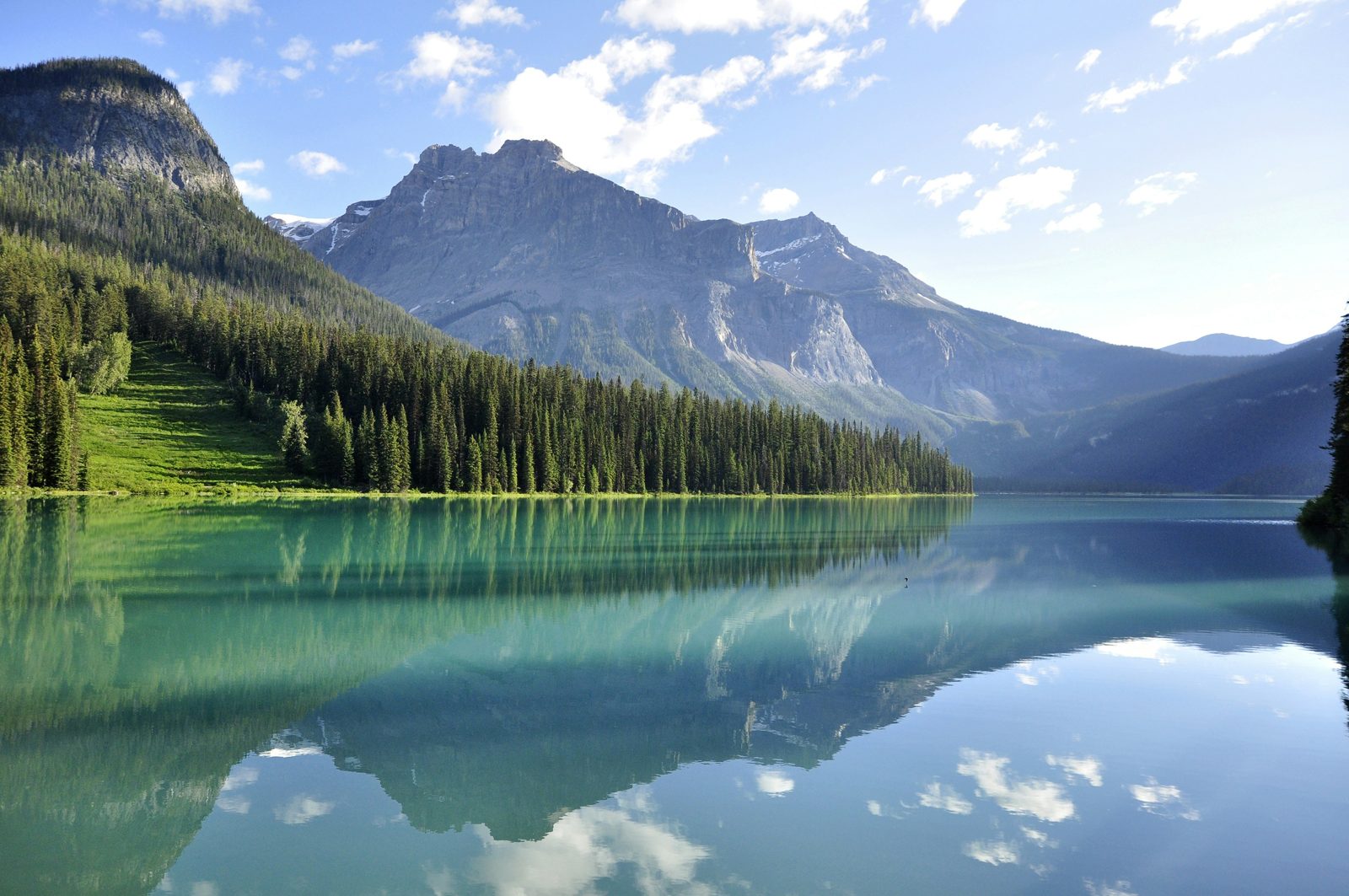
This is a relatively short distance with enough attractions to fill an entire day. Decide whether your priority is Lake Louise, Yoho scenery or an earlier arrival at Golden. Trying to give all three a full visit can result in a much later arrival than the kilometre total suggests.
For Lake Louise, use the current Parks Canada parking and shuttle rules. Many RVs are oversized for lakeshore parking. Reserve suitable transport and use the designated Park and Ride where permitted rather than driving uphill hoping a space will appear. Moraine Lake Road is closed to personal vehicles, so it requires an approved access plan.
Continue west through Yoho National Park when your sightseeing is complete. Field is a useful orientation point for park destinations, while Golden offers a wider service base for the overnight. Check access and parking before turning onto a side road to a popular lake or waterfall.
A side trip can be easy in a tow vehicle and inappropriate with a long trailer. Review Parks Canada road guidance, particularly for winding roads with tight turns, instead of assuming every marked attraction can accommodate the rig that fits on Highway 1.
Yoho campgrounds or a Golden overnight
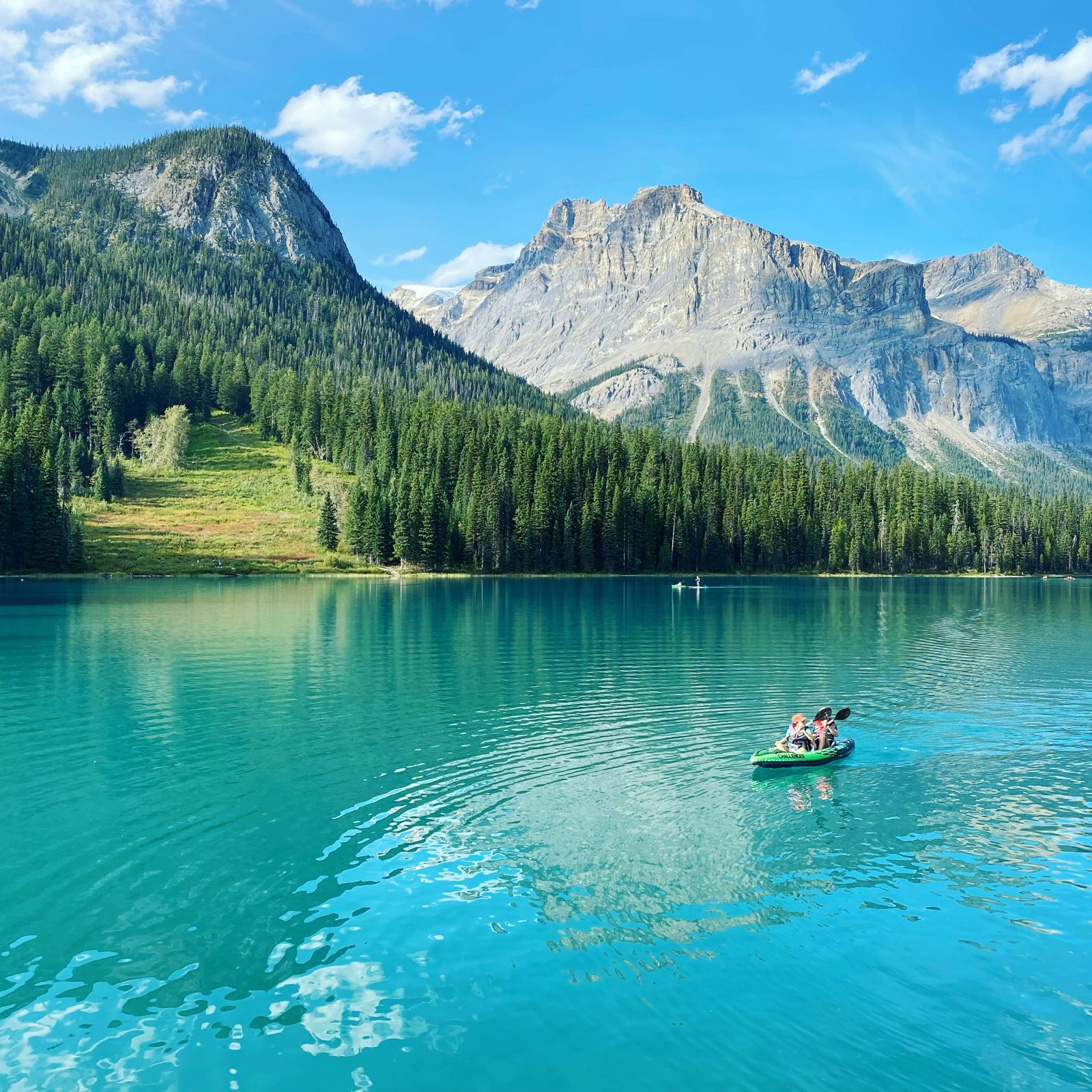
Kicking Horse Campground in Yoho is one park option to investigate for a more natural overnight. Check the current site dimensions, services and seasonal water or sani-dump availability. A park campground may be unserviced even when it provides shared washrooms and tank facilities. Our directory lists campgrounds in Yoho National Park and campgrounds in Golden.
Golden can be a practical alternative when you need private RV services, groceries or a pad suited to a large combination. Compare individual operators and confirm hookups directly. Staying near a service town can also simplify the next morning’s departure toward Rogers Pass.
For a five-day trip, one night here may be enough. For seven days, an additional night around Yoho or Golden gives you a fuller sightseeing day without dragging the RV to every trailhead. Moving once and exploring from a base often produces more useful vacation time than repeatedly packing up.
Westbound Kicking Horse corridor driving
Westbound travel includes substantial downhill sections as you leave the higher Rockies for the Columbia Valley. Select suitable gearing before the descent and follow your vehicle’s guidance for engine or exhaust braking. Keep speed controlled rather than depending on repeated heavy brake use to correct it.
Watch the road report for construction and traffic controls. A section that was slow during a previous trip may have changed, while new work can appear elsewhere. Use the current information rather than a remembered bottleneck to estimate the day.
Allow room around trucks and other RVs. Stay out of blind spots and give merging vehicles space where safe. Pullouts and attraction exits can introduce slower traffic unexpectedly, so keep following distance even when the view is distracting.
If you need a rest, choose a proper stopping area. A narrow shoulder or emergency area is not a picnic site. Passengers can photograph scenery while the driver concentrates on lane position, speed and what is happening ahead.
Day 3: Golden through Rogers Pass to Revelstoke
Rogers Pass is one of the defining mountain stages of the journey. Highway 1 travels through Glacier National Park, with dramatic peaks and opportunities for a stop where conditions and parking allow. Give this section time even though the drive between Golden and Revelstoke is not especially long on the map.
Check weather and highway conditions before leaving Golden. Rain, fog and changing mountain temperatures can affect the experience. In cold seasons, avalanche control and snow conditions are additional considerations; summer scenery should not create an expectation of easy winter travel.
A visit around the Rogers Pass Discovery Centre can help explain the mountain corridor and its history. Check current hours, access and parking. If you want a hike, select one appropriate to the group and carry the necessary equipment rather than treating it as a short walk because its trailhead is close to the highway.
Continue to Revelstoke for the overnight. The town is a useful place for fuel, groceries, laundry and an evening meal. A private RV park can provide a straightforward service stop after several park nights, while a suitable park campground offers a different style of stay.
Glacier camping and Mount Revelstoke side trips
Glacier National Park campgrounds such as Illecillewaet and Loop Brook are options to research if you prefer to stay in the mountains. Check current opening dates, site sizes and facilities; these are different from a full-hookup resort. Reserve or plan according to the current booking rules rather than assuming a late arrival will find a suitable space. See also campgrounds in Glacier National Park and campgrounds near Revelstoke.
An extra night lets you walk without turning the driving day into a race. If you only have five days, a Golden–Revelstoke transfer with one moderate stop may be more sensible than trying to camp in every park along the way.
Mount Revelstoke National Park offers another attraction cluster, but the Meadows in the Sky Parkway needs a separate vehicle-access check. Seasonal snow and road limits can affect the trip uphill. Parks Canada prohibits vehicles longer than 7.9 metres (26 feet), towed trailers and towed vehicles on this narrow parkway. Confirm current guidance and use an approved drop-off arrangement where appropriate.
A vehicle that fits on the Trans-Canada is not automatically suitable for a mountain parkway. Leave the camping unit at a legal site where practical and explore with appropriate transportation. Keep alternative activities in Revelstoke available if the higher road is closed or weather obscures the view.
Day 4: Revelstoke to the Shuswap or Kamloops
West of Revelstoke, the route follows Highway 1 toward Sicamous and Salmon Arm. The scenery becomes more lake-focused, and the Shuswap makes a rewarding pause after the mountain passes. Choose a lakeside campground if you want a relaxed afternoon, or continue to Kamloops if reaching the Lower Mainland comfortably is the priority. See campgrounds near Salmon Arm for a lakeside overnight, or campgrounds in Kamloops if you want to shorten the last day.
Salmon Arm is a convenient supply and rest stop. A designated waterfront visit can be pleasant, but inspect parking suitability before entering a busy lot. Use a shopping area or campground stop with enough turning space rather than improvising around town with a long trailer.
The choice of overnight changes the final day. Staying around the Shuswap gives you more time by the lake but leaves a longer transfer to Vancouver. Staying near Kamloops or Merritt shortens the last stage. For a seven-day trip, you can enjoy the lake and still add a separate transfer night before the city.
Do not make day four an automatic long driving day because the terrain looks easier. Heat, traffic and fatigue can still matter. A swim, meal and early evening at camp may be exactly what the group needs after several sightseeing days.
Day 5: Kamloops or Merritt to Vancouver
From Kamloops, Highway 5 runs south through Merritt toward the Coquihalla and Hope. Refuel at a convenient service town and check the highway cameras before the higher section. Weather at the destination does not describe conditions on the pass. If you want to break the descent, see campgrounds at Hope.
The westbound journey eventually brings a long descent toward Hope. Use appropriate gearing, manage speed early and avoid riding the brakes. Leave enough space around other vehicles and watch for changing conditions. If you need a break, stop at a suitable rest area before fatigue becomes a problem.
Hope is a useful place to reset before Lower Mainland traffic. Eat, review your destination’s arrival instructions and check the final route. An RV park near Vancouver may require a different urban approach from a downtown hotel, and navigation to “Vancouver” is far too general.
Avoid ending the trip with a rushed arrival during the busiest traffic period if you have flexibility. For a rental return, consider a final campground night within practical reach of the depot. Tank service, refuelling, cleaning and unloading take time that should not be squeezed after a full mountain drive.
A five-day westbound itinerary
| Day | Route and focus | Overnight |
|---|---|---|
| 1 | Calgary to Canmore/Banff; easy setup and walk | Canmore or Banff |
| 2 | Banff to Yoho/Golden; one principal sightseeing outing | Yoho or Golden |
| 3 | Golden through Rogers Pass; continue to Revelstoke | Revelstoke area |
| 4 | Revelstoke via Shuswap; transfer toward Kamloops | Kamloops area |
| 5 | Coquihalla, Hope and Lower Mainland arrival | Confirmed Vancouver-area campground |
This is a touring itinerary, not a full visit to every national park. Decide which attraction matters most each day. If Lake Louise requires a substantial shuttle outing, reduce the other stops on day two instead of treating every destination as equally quick.
A more comfortable seven-day itinerary
| Day | Suggested focus | Overnight |
|---|---|---|
| 1 | Calgary to Banff/Canmore | Bow Valley base |
| 2 | Banff sightseeing using suitable local transport | Same base |
| 3 | Lake Louise or Yoho; continue to Golden | Yoho/Golden |
| 4 | Rogers Pass and Revelstoke | Revelstoke |
| 5 | Shuswap lake time | Shuswap area |
| 6 | Transfer to Kamloops/Merritt; supplies and rest | Kamloops or Merritt |
| 7 | Coquihalla and an unhurried Vancouver-area arrival | Vancouver area |
This version separates some sightseeing from major driving and makes the last day easier. With more time, add a second Revelstoke night or a longer Yoho stay rather than stretching every afternoon with another distant stop.
Fuel, groceries and dump stations
Calgary is the initial supply base. Canmore, Golden, Revelstoke, Salmon Arm, Kamloops, Merritt and Hope give you useful service opportunities along the corridor. Choose stops based on access and the stage ahead, not simply the lowest price advertised on a small roadside sign. Browse campgrounds with dump stations to compare your options.
Start each major mountain section with a comfortable fuel reserve. Loaded climbing, wind and repeated stops can change consumption. Check propane filling separately from fuel: operating hours, staff availability and the type of cylinder or onboard tank affect the service you can obtain.
Use your overnight reservations to plan water and wastewater service. Full hookups at one base can be especially useful between several unserviced nights. Confirm dump-station operation, non-guest access and potable water before relying on an en-route facility. A campground’s seasonal opening and its water system’s operating dates may differ.
For rental returns, follow the supplier’s tank and fuel requirements exactly. Schedule a final service stop and retain any documentation required. It is much easier to complete these tasks calmly the day before return than while watching a depot closing time after a long drive.
Vancouver arrival and ferry extensions
Treat the final city approach as a distinct stage. Urban congestion, height clearances, narrow turns and campground access can be more awkward than the main highways. Check the destination entrance, arrival hours and vehicle-size requirements before you leave the interior.
You do not need to park the RV downtown to enjoy Vancouver. A suitable regional campground, a smaller vehicle and available transit can make city exploration more comfortable. Check current options for your exact base rather than assuming a campground is connected to every attraction.
If you want Vancouver Island next, book the appropriate BC Ferries crossing with your whole combination’s dimensions. That is an additional trip, not part of the all-road Calgary–Vancouver route. Leave time for terminal check-in and traffic, and avoid scheduling a tight ferry connection after the final mountain transfer.
For a coast extension, use the Vancouver to Tofino RV guide. If you prefer the Okanagan, use Vancouver to Kelowna by RV to plan a separate lake stay or adapted detour.
Best months, RV size and final checks
June through September is the easiest general season to recommend for a first touring trip. Summer demand makes reservations important, while early and late season bring colder nights and the possibility of snow at higher elevations. Check current BC tire and chain requirements for the vehicle, dates and roads you will use. Our list of big-rig-friendly campgrounds is a good place to start if you tow a long trailer or drive a large motorhome. More best RV trips in British Columbia are listed on our trips page.
Large RVs can use the main corridor when appropriately maintained and operated, but campsite pads and side roads are often more limiting. Know the vehicle’s height, width and length including accessories. For trailers, check brake-controller settings and load distribution before the descents; for motorhomes, understand the transmission and braking controls.
Keep maps and reservations offline, and check both DriveBC and 511 Alberta before departure. Check park bulletins for attractions separately. Wildfire smoke, closures and roadwork can change the best plan even when the main highway remains open.
Bring warm layers, rain gear, a first-aid kit and the RV equipment needed for your chosen site categories. Inspect tires, connections and stowed equipment each travel morning. Build enough flexibility that a delayed arrival or closed attraction changes the day’s plan without undermining the entire trip.
More route guides: Calgary to Banff and Jasper by RV, Icefields Parkway with an RV, Vancouver to Whistler to Kamloops by RV and Trans-Canada RV route: west half.
Frequently asked questions
How far is Calgary to Vancouver by RV?
Roughly 975–1,000 km by the direct Highway 1 and Coquihalla route. Campground access and sightseeing add distance.
Can I drive the route in one day?
The distance is technically a long driving day, but it is not a good sightseeing plan for most RV travellers. Five to seven days makes a more enjoyable trip.
Are the westbound descents difficult?
They require preparation, appropriate gearing and controlled speed. Learn your RV’s braking systems and keep the vehicle properly maintained and loaded.
Do I need a ferry?
No ferry is required between Calgary and mainland Vancouver. A Vancouver Island extension requires a separate crossing.
Can I park a large RV at Lake Louise?
Follow current oversized-vehicle rules and plan a shuttle from the approved Park and Ride where appropriate. Do not depend on finding lakeshore parking for a large rig.
Is the Fraser Canyon an easier alternative?
It is a slower scenic route with its own curves and grades, not a guaranteed easier bypass. Choose it deliberately after reviewing conditions and the full itinerary.
Should I stay downtown Vancouver with the RV?
Choose a campground suited to your vehicle and use appropriate city transportation. Downtown attraction access and campground access are separate questions.
Official sources
Rules, fees, and services change. Check these directly before you travel.
- DriveBC: highway conditions and cameras
- 511 Alberta
- Parks Canada: Banff National Park
- Parks Canada: Lake Louise and Moraine Lake transportation
- Parks Canada: Yoho National Park
- Parks Canada: Glacier National Park
- Parks Canada: Mount Revelstoke National Park
- Parks Canada: Meadows in the Sky vehicle restrictions
- Parks Canada reservations
- BC Parks reservations