
The short answer
Nova Scotia's Lighthouse Route is best enjoyed as a series of coastal stays rather than a race to photograph every lighthouse. A useful first RV trip runs Halifax → Peggy's Cove area → Chester/Mahone Bay → Lunenburg → the Rissers Beach area, with an optional longer continuation through Liverpool and Shelburne toward Yarmouth and Cape Forchu.
Allow roughly 130–200 km each way for the shorter Halifax-to-Lunenburg/Rissers itinerary once coastal approaches and campground access are included. Highway 103 alone is about 330 km from Halifax to Yarmouth, and coastal detours along the way can push that toward 400 km one way. The exact total depends heavily on which smaller roads and lighthouse approaches you choose.
Five to seven days suits the shorter South Shore trip, including a return to Halifax. Eight to ten days gives the Yarmouth extension more room. The practical strategy is to use suitable campground bases and make lighthouse visits in a smaller vehicle where possible.
Trip at a glance
| Planning item | What to expect |
|---|---|
| Core route | Halifax → Peggy's Cove → Mahone Bay/Lunenburg → Rissers area |
| Short-route distance | About 130–200 km one way with chosen detours |
| Longer route | Continue through the South Shore toward Yarmouth |
| Main fast road | Highway 103 |
| Slower scenic roads | Route 3 and selected coastal approaches |
| Suggested core trip | 5–7 days including return travel |
| Longer trip | 8–10 days for Yarmouth and a planned return |
| Main RV concern | Small lots, village streets and lighthouse access roads |
The Lighthouse Route is a touring idea, not a promise that every shoreline road is suitable for a large RV. Choose the actual stops and use the campground's recommended approach. Add the return journey explicitly before budgeting fuel or rental mileage.
Choose the shorter route or the full extension
For a first visit, Peggy's Cove, Mahone Bay, Lunenburg and a beach-oriented campground stay create a varied trip without many long transfers. You can combine maritime scenery, historic streets and time at camp within a manageable week.
The Yarmouth extension adds a wider South Shore experience and Cape Forchu, but it changes the mileage and number of overnight bases. Give Liverpool or Shelburne time as destinations rather than treating them as names passed through on one long day.
A longer itinerary does not need every lighthouse. Choose the places that interest the group and confirm their access. Some lighthouse settings work as a short viewpoint, others as a longer walk or indoor visit, and some are inconvenient for a large vehicle.
Use Highway 103 for efficient transfers where appropriate, then selected scenic roads for deliberate outings. Driving every minor coastal branch with the complete rig can turn an enjoyable trip into repeated manoeuvring and route uncertainty.
Halifax setup and the first coastal day
Start with groceries, fuel and the vehicle ready for camping. Rental travellers should allow time for the handover and a familiarization drive. Do not combine a late pickup with an ambitious coastal sightseeing afternoon and a distant campground deadline. If you are collecting a rental, our RV rentals page explains how renting works.
A Halifax-area overnight can make the beginning easier. If the waterfront is part of the trip, arrange a separate city transport plan and leave the RV at camp where practical. An urban parking garage suitable for a car should not be assumed suitable for a motorhome.
Before leaving, save the first campground address and recommended route. Peggy's Cove is an attraction destination, not an overnight plan for the RV. Confirm where you will sleep and how the sightseeing vehicle will reach the village.
Pack a lunch, layers and weather gear for the day. Coastal wind and mist can make conditions different from Halifax. Keep the first evening simple enough that a slower drive or crowded attraction lot does not undermine the arrival.
Peggy's Cove: the visit and the vehicle plan
Peggy's Cove is reached by selected approaches using Route 333, connected to the wider Halifax and Highway 103 road network. Choose the route according to the booked base and vehicle guidance. Do not enter every smaller village road looking for a shortcut.
Use the official visitor information to plan the setting and check the actual parking arrangements for the complete rig. Tour-bus access does not automatically confirm an easy place for a towing combination.
The viewing area provides an opportunity to enjoy the lighthouse without approaching the water's edge. Follow posted safety messages and stay well away from wave-washed rocks, especially dark wet surfaces. Ocean conditions can make a seemingly calm photo location dangerous.
Allow time for the village as well as the lighthouse, while respecting working fishing areas and private property. A short walk and a relaxed meal can be enough. If parking is unsuitable or weather is poor, return from the campground in a smaller vehicle or choose another day.
A Peggy's Cove-area campground base
Wayside Camping Park in Glen Margaret is one local option to investigate for this part of the route. Check the current site category, electrical service, water, waste arrangements and entrance directly. A tourism listing is a useful starting point, not a replacement for confirmation.
Ask how visitors currently reach Peggy's Cove and whether any transport is available. Do not assume a shuttle, walking route or convenient public transit connection. The arrangement matters particularly for motorhome travellers without a separate car.
A two-night stay creates one full coastal day without packing between attractions. It also provides a weather alternative if the arrival afternoon is windy or wet. Leave room for time at the campground rather than building every day around another lighthouse.
If this campground does not fit the vehicle or dates, compare another Halifax or South Shore base using actual driving distances. A slightly farther site with a straightforward approach and suitable services may be the better choice.
Chester and Graves Island
Chester and the surrounding shore can provide a pleasant middle stage between the Halifax side and Lunenburg. Keep the visit focused and confirm where the vehicle can stop. Historic community streets and busy waterfront areas favour a smaller sightseeing vehicle. Our list of big-rig-friendly campgrounds is a good place to start if you tow a long trailer or drive a large motorhome.
Graves Island Provincial Park is a useful campground option to compare. Its serviced sites are listed with water and 30-amp electricity; that is a two-service description, not sewer at the pad. Verify the individual pad and waste arrangements.
The park's season must be checked carefully. Its published 2026 campground closing date was September 7, earlier than several other Nova Scotia parks. Do not assume a late-September or October itinerary can use it simply because the wider South Shore remains attractive.
A campground stay here can make the middle of the trip feel spacious. Choose a shoreline walk or local outing that suits the group and current conditions. The main benefit is a settled base between driving stages, not a requirement to explore every nearby inlet.
Mahone Bay and Lunenburg as a shared base
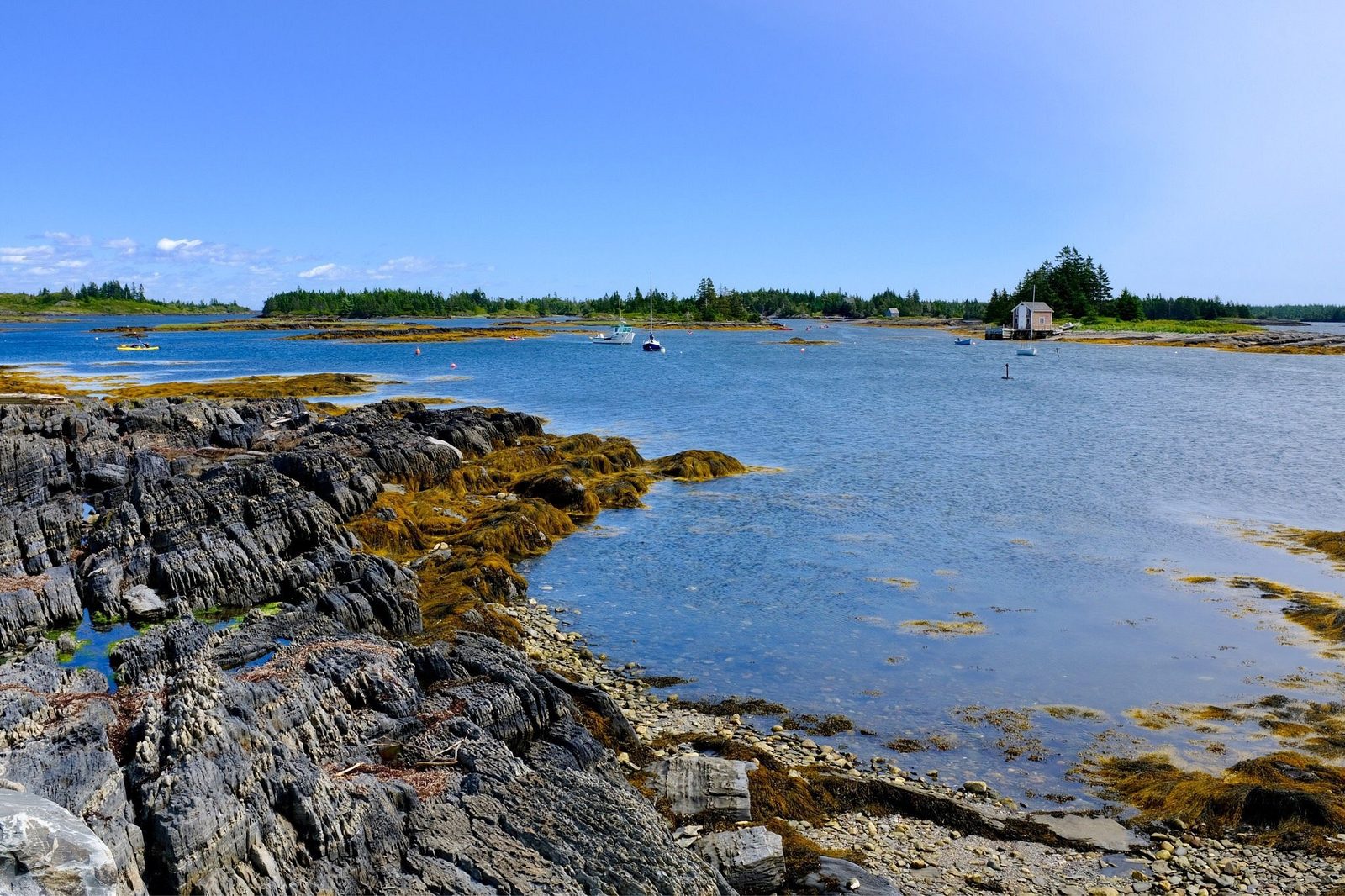
Mahone Bay and Lunenburg are close enough to group into a short region-focused stay, but parking still needs individual attention. Choose an overnight location that fits the RV, then visit town centres with appropriate transport.
Mahone Bay's waterfront provides a useful walking focus. Keep the route manageable and avoid stopping the complete rig in a space that blocks through traffic or business access. A photograph of the churches or harbour is not evidence of a designated RV parking bay.
Lunenburg rewards a fuller visit, with historic streets, maritime context and harbour scenery. Slopes and uneven surfaces affect walking effort, so choose an itinerary suited to the group. Check the operating arrangements of any museum or guided experience before making it the anchor of the day.
Do not assume a sailing ship is in port or open for boarding simply because it appears in a photograph. Verify the current program directly if that is a priority. Leave time to enjoy the town even if a particular maritime activity is unavailable.
Rissers Beach and a quieter coastal stay
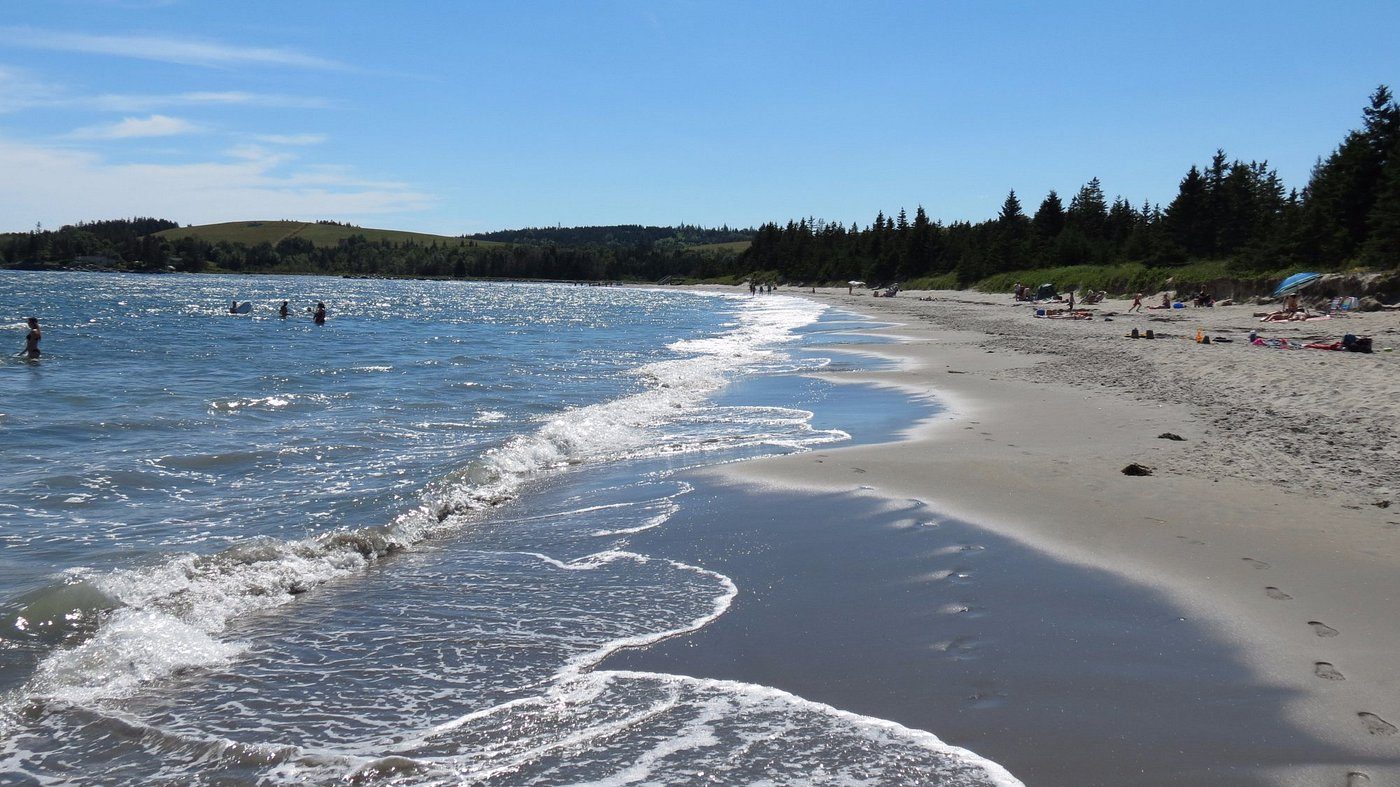
Rissers Beach Provincial Park is a concrete option for a beach-oriented part of the trip. The park lists both unserviced camping and North Rissers sites with water and 30-amp electricity. Confirm the chosen site, equipment limit and shared waste facilities.
A multi-night stay gives the route a different pace after town visits. A beach walk, suitable day-use activity and campground meal can be the day's main plan. Swimming should depend on current posted conditions and the group's abilities, not a promise in the itinerary.
Choose the exact campground area using the reservation map. Different areas can have different setting, services and access. A site near a beach may still require a walk or a road crossing; check practical details if mobility is a priority.
If Rissers is unavailable, use current Nova Scotia Parks and private campground information to compare alternatives. Select by vehicle fit and the activities you actually want. A suitable site is more important than preserving a campground name from a sample itinerary.
A five-day South Shore return itinerary
Day 1: Halifax to a Peggy's Cove-area base. Complete supplies, reach the campground and make a modest local visit if timing and parking allow. Keep a fuller Peggy's Cove visit for the next day if arrival is late.
Day 2: Peggy's Cove and a coastal outing. Use the confirmed vehicle plan, enjoy the lighthouse from appropriate areas and leave time for the village. Return to the same campsite instead of packing midway through the day.
Day 3: Transfer toward the Mahone Bay/Lunenburg region. Choose the highway or scenic route deliberately, with one useful break. Settle into a suitable base and use the afternoon for a shorter town visit.
Day 4: Lunenburg or the beach-focused part of the route. Pick the main interest rather than trying to fit a full town day and a long beach outing together. If the booked base is near Rissers, use a separate vehicle for the town visit where practical.
Day 5: Return to Halifax. Complete tank tasks and packing before the highway transfer. Add a final night near the rental depot if the handover time would otherwise make the return rushed.
A seven-day version with a beach pause
Use Days 1–3 as above, then keep Day 4 for Lunenburg. This allows a museum, walk or guided experience with proper time instead of compressing it between campground transfers.
Move to the Rissers or another suitable beach-area base on Day 5. Keep the move modest and enjoy the surroundings after setup. Day 6 stays local, with a short walk, beach time or an alternative activity according to weather.
Day 7 returns to Halifax using a practical route. A direct Highway 103 stage may be more comfortable than retracing every scenic branch. Choose any final stop only after accounting for the rental deadline and driver energy.
This seven-day plan favours time at destinations. If the group prefers fewer packing days, combine the middle and beach visits from one suitable base. Check the real day-trip distances before deciding that a single campground will serve everything comfortably.
Continuing through Liverpool and Shelburne
The South Shore continuation should add time, not merely distance. Liverpool and Shelburne can each provide a community-focused stop or an overnight region, depending on the interests of the group and campground availability. Our directory lists campgrounds in Liverpool and the wider Nova Scotia campground directory.
Use current visitor information to select a museum, waterfront walk or local experience. Avoid arriving with a full attraction list assembled from old travel accounts. Seasonal operation and actual walking access should shape the visit.
Highway 103 can connect the longer stages, with scenic sections chosen selectively. A large RV does not need to follow every small road to experience the coast. Save lighthouse approaches for an outing with confirmed parking and vehicle suitability.
Plan a suitable campground before leaving the previous base. A longer southern transfer should end with straightforward setup, not a search for overnight space after office hours. Keep fuel, groceries and tank capacity ready for the next portion.
Yarmouth and Cape Forchu: an eight- to ten-day trip
An eight- to ten-day trip can extend the shorter route with one or two southern bases, a Yarmouth-area stay and a separate return stage. The exact nights depend on how much time you want in Lunenburg and at the beach.
Cape Forchu is a principal lighthouse destination for this extension. Check current visitor access, parking and the approach for your equipment before setting out. A smaller vehicle can simplify the final coastal road and the time spent at the site.
Allow the Yarmouth area a full day if it is a major interest. A lighthouse visit and one other local experience make a manageable plan. Do not arrive after a long drive expecting to complete every attraction before sunset.
For the return to Halifax, choose a direct transfer with breaks or divide it with another booked overnight. A ferry from Yarmouth to Maine is a separate international journey, with documents, rental permission and bookings. It is not required to complete this Nova Scotia itinerary.
RV size, smaller roads and lighthouse parking
Record the full length, height and towing setup before choosing the stops. A lighthouse road may be paved but still end in a tight lot. Verify access to the actual destination, including how the vehicle leaves, rather than assuming the approach road alone answers the question.
A trailer and detached tow vehicle are convenient for town and lighthouse outings. A motorhome without a second vehicle needs a more selective plan. Ask campground operators and attraction staff about suitable parking before paying for timed experiences.
Avoid improvised turns in private driveways or working harbour areas. If the road or lot is unsuitable, use an established alternative or skip the stop. The trip remains rewarding without every lighthouse on a map.
Use designated overnight accommodation. Attraction parking, beach lots and village pullouts do not automatically permit camping. Book the site that matches your vehicle and arrival time so sightseeing never depends on finding an unofficial place to sleep.
Fuel, groceries, water and dump stations
Use larger service centres for main shopping and fuel tasks, with the exact station checked for clearance and turning room. A small waterfront café can be an enjoyable outing, but it should not become the only meal option after a delayed transfer. Browse campgrounds with dump stations to compare your options. For propane basics, see our RV propane rules for Canada page. Our RV fuel planner can help you budget fuel for the longer stages.
Carry simple campground meals and packed lunches. Keep outdoor cooking optional when wind or rain strengthens, and check current fire restrictions. A pleasant South Shore evening does not require a campfire.
Match tank use to each booked site's service category. Two-way water-and-electric hookups should not be mistaken for full hookups with sewer. Confirm the authorized dump station and allow time for disposal before moving or returning a rental.
Ask about non-guest access and seasonal operation if relying on a facility outside the campground stay. A provincial park nearby is not automatically an available fill or dump stop. Keep potable-water equipment separate from wastewater hoses and fittings.
Seasons, weather, mobility and the budget
June through September is a useful broad season for a first visit, with each campground checked separately. Graves Island's earlier 2026 closing date illustrates why one general “summer season” is not enough. Future-year dates must come from the current reservation system. If you have more time, pair this trip with Halifax to Cape Breton by RV and Cabot Trail by RV for Cape Breton, or New Brunswick Fundy Coast by RV for the Bay of Fundy side. More best RV trips in Nova Scotia are listed on our trips page.
Coastal wind and rain can change a lighthouse outing or beach day. Keep the order of activities flexible where possible and prepare a shorter town or indoor visit. A longer stay is most useful when some time remains unbooked.
For mobility needs, check the individual viewing area, walking surfaces and transport connection. A destination described as accessible may contain other areas with stairs or uneven terrain. Choose a route that matches the actual visitors rather than the attraction's most demanding viewpoint.
Budget the complete return mileage, campsite nights and selected admissions. Optional meals, tours and transport should be deliberate additions. Before the last transfer, inspect the RV, confirm the route and leave enough time for fuel, tanks and any rental handover tasks.
More route guides: PEI Coastal Loop by RV and Trans-Canada RV route: east half.
Frequently asked questions
How long should a Lighthouse Route RV trip take?
Five to seven days suits a focused Halifax–Peggy's Cove–Lunenburg/beach trip with a return. Eight to ten days gives an extension to Yarmouth more room. Add time for longer activities or an early rental-return deadline.
Is Highway 103 the Lighthouse Route?
Highway 103 is useful for efficient transfers. Route 3 and selected coastal approaches provide the slower touring experience. Choose scenic sections deliberately rather than assuming every small shore road suits the complete RV combination.
Can a large RV visit every lighthouse?
Do not assume so. Verify the final approach, parking and turning space for the actual rig. A smaller vehicle makes many outings easier. Skip a stop if suitable access cannot be confirmed.
Are the rocks at Peggy's Cove safe to explore freely?
Follow posted safety guidance and stay well away from wave-washed areas, especially dark wet rocks. Use appropriate viewing areas and respect closures. Calm-looking conditions or other visitors do not establish safe access near the water.
Does Graves Island have full hookups?
Its published serviced-site description is water and 30-amp electricity. Confirm the selected pad and shared waste arrangements; do not infer a sewer connection. Also verify the season, which ended September 7 in the 2026 listing.
Is Rissers Beach suitable for RV camping?
It offers unserviced and water-and-electric camping categories. Check the individual site limit, area and approach for the vehicle. Reserve the services you need and confirm waste disposal separately.
Do we need a ferry to finish the route?
No. The Nova Scotia trip can return to Halifax by road. A Yarmouth–Maine ferry connection is an optional separate international itinerary with its own bookings and documentation.
Official sources
Rules, fees, and services change. Check these directly before you travel.
- Peggy's Cove visitor information: setting and access planning.
- Wayside Camping Park listing: local campground contact information.
- Graves Island Provincial Park: camping categories and facilities.
- Rissers Beach Provincial Park: campground areas and services.
- Nova Scotia Parks reservations: current seasons and bookings.
- Tourism Nova Scotia: current South Shore visitor information.
- Nova Scotia 511: road conditions and disruptions.