
The short answer
A PEI coastal loop by RV works best as a selective tour of the island's western, central and eastern regions, with several nights at each base. You do not need to drive every shoreline road to enjoy red cliffs, beaches, lighthouses, farms and communities. Choose a few meaningful outings and keep the RV's access requirements in view.
For the three-region itinerary described here, allow roughly 500–800 km of island driving, depending on the western and eastern extensions, campgrounds and return to the departure crossing. Nine to fifteen hours spread over the trip is a useful driving allowance before activities. This is a selected circuit, not the complete mileage of every officially named coastal drive.
Seven to ten days gives the broader loop breathing room. Five days is better used for a focused central-island visit with one base and a few outings. The mainland journey, crossing wait and travel home are additional unless explicitly included in your trip dates.
Trip at a glance
| Planning item | What to expect |
|---|---|
| Main access choices | Confederation Bridge or Caribou–Wood Islands ferry |
| Island route concept | Western PEI → Cavendish/central north shore → eastern PEI |
| Suggested loop mileage | About 500–800 km with selected regional extensions |
| Driving allowance | 9–15 hours spread over the stay |
| Broad-loop duration | 7–10 days on the island |
| Shorter alternative | 5 days focused on the central region |
| Useful campground bases | Western park, Cavendish or Stanhope, eastern park |
| Main RV concern | Small coastal approaches and unsuitable back roads |
The itinerary can begin at Borden-Carleton after the bridge or at Wood Islands after the ferry. Reverse the regional order if that fits your entry. Map the complete exit stage before reserving campsites at the opposite end of the island.
Bridge or ferry: decide using the whole trip
The Confederation Bridge connects New Brunswick with Borden-Carleton and offers a road approach without a sailing reservation. Check current toll information and restrictions for the actual vehicle. Do not use an old visitor answer or previous-year price as the basis for the budget. The bridge toll is charged when you leave the island, not on arrival. If you are coming from the Fundy coast, New Brunswick Fundy Coast by RV ends near Moncton, within easy reach of the bridge.
Wind restrictions can affect high-sided vehicles and towing combinations. Consult the bridge's current status and restriction information before setting out, particularly on a windy day. An open bridge for cars does not necessarily mean every RV category can cross.
Northumberland Ferries links Caribou, Nova Scotia, with Wood Islands. The crossing is about 75 minutes, with check-in, waiting and loading additional. Verify the current season, timetable, fare and booking arrangements for your complete combination.
A mixed approach can be enjoyable: arrive by bridge and leave by ferry, or reverse it. Compare the full mainland routing as well as crossing costs. Accurate vehicle dimensions, current boarding rules and a backup plan matter more than choosing solely from the shortest island driving distance.
Arrival day: begin at the crossing that suits your base
If arriving by bridge, Borden-Carleton is the starting point for the island portion. Do not combine the crossing with an immediate drive across the entire island unless the campground and day's total mileage make that comfortable. A western or central first base can keep arrival manageable. Our directory lists campgrounds across Prince Edward Island. If you are collecting a rental, our RV rentals page explains how renting works.
If arriving at Wood Islands, begin with an eastern base or a practical central transfer. Ferry arrival time and campground check-in must be coordinated. Carry food for the first evening so a delayed sailing does not make dinner dependent on an open shop.
Fill fuel and complete main supplies where the vehicle access is straightforward. A small coastal business may be ideal for sightseeing but awkward for a long combination. Use the actual campground's approach instructions, not just the nearest beach or lighthouse name.
Settle into camp before beginning a longer outing. Inspect the site, confirm services and find the water and waste arrangements. A short local walk is enough after a travel day; the island can be enjoyed without squeezing another distant attraction into arrival afternoon.
Three regions, three different trip rhythms
Western PEI can anchor a lighthouse and quieter coast stay, with West Point or a selected North Cape outing according to the group's interests. The distances within this region need allowance, particularly if the campground is well south of the northern tip.
The central region offers Cavendish, national-park beaches and convenient access to several island experiences. It is a strong choice for a shorter trip because one suitable base can support varied outings. Charlottetown requires its own transport and parking plan.
Eastern PEI provides another coastal setting, with selected lighthouse, beach and park visits. Choose between a broad East Point excursion and a shorter local day if time is limited. The region should not become a final collection of stops made on the way to a ferry deadline.
The official coastal drives provide maps and ideas, but this guide does not require completing all of them. Use them to select destinations and appropriate roads. A trip should reflect the group's interests rather than every kilometre of a tourism circuit.
Western camping and Cedar Dunes' current notice
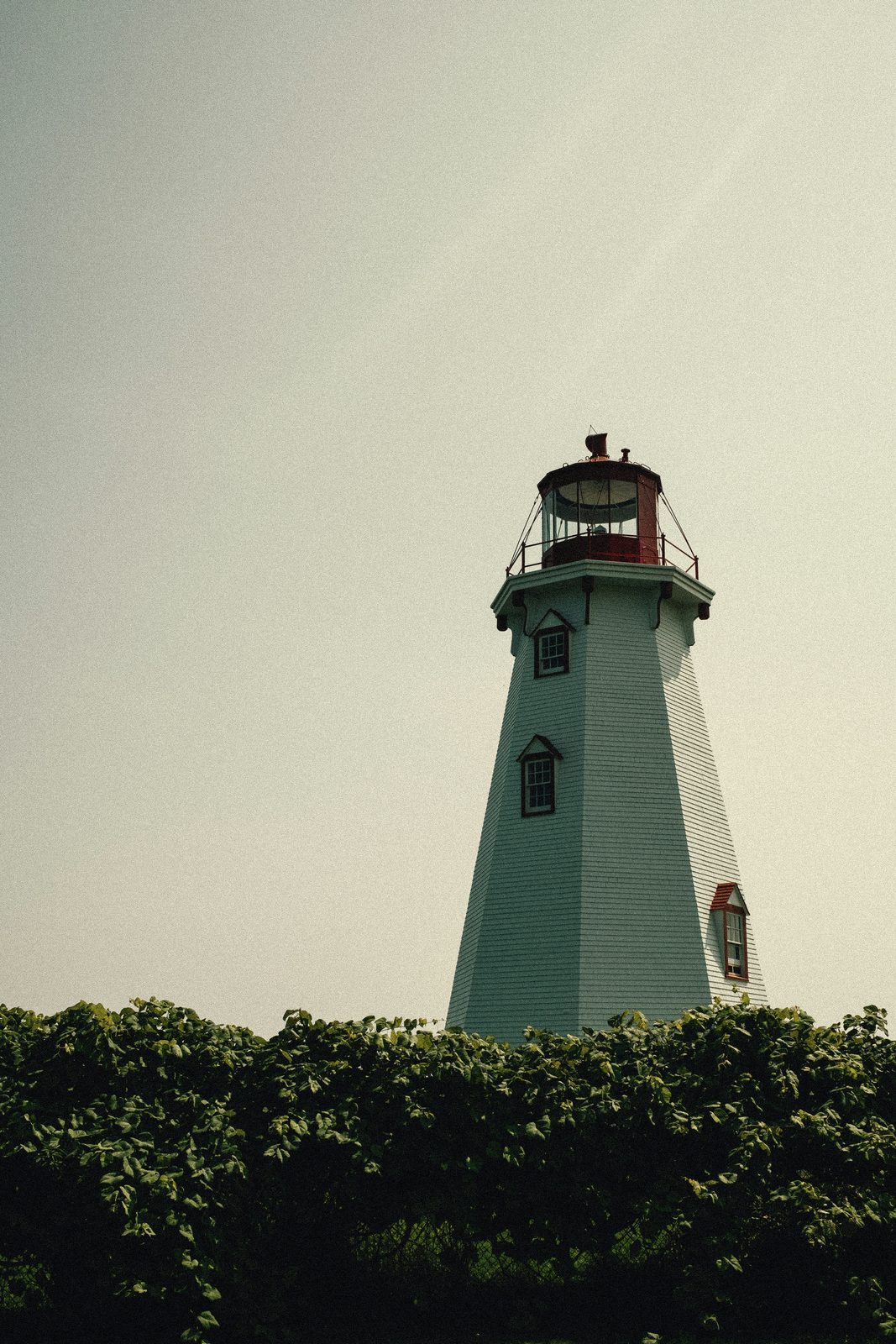
Cedar Dunes Provincial Park near West Point is a useful western campground option to investigate. Confirm the exact site, equipment limit, services and arrival arrangements through the current booking information.
As checked on October 9, 2026, its official tourism page carries a drinking-water order advisory due to elevated manganese. Contact the park for current status and follow its drinking-water instructions. Do not assume a campground tap is appropriate to use simply because it is available.
The location suits a slower beach-and-lighthouse stay. Check the current visitor arrangements for West Point Lighthouse separately, especially if an indoor visit is a priority. A campground booking does not establish a particular lighthouse opening schedule.
A northern excursion needs its own driving allowance from the western base. If North Cape is a main interest, compare another suitable northern campground or allow a full outing day. Avoid treating West Point and the northern tip as neighbouring stops.
Central camping: Cavendish and Stanhope
Parks Canada describes Cavendish Campground as its largest in the park, with over 200 sites and an exclusive beach. The park offers tent and RV sites, oTENTiks, Bunkies and equipped campsites, so select the exact equipment category and service level, and check the pad and approach for your vehicle.
Stanhope Campground is a quieter, scenic central north-shore choice with over 100 sites, near park beach and trail surroundings. Its location may suit a different daily itinerary from Cavendish, so compare actual driving and walking access rather than assuming the two bases are interchangeable. Firewood is sold at both campgrounds, and the park does not allow visitors to bring their own.
Both campgrounds are seasonal. Parks Canada’s camping page, checked in October 2026, says the camping season runs from June to September but gives no exact dates, so a general “September camping trip” still needs a date check. Confirm the opening and closing dates when you reserve.
A national-park campsite is not necessarily full hookups. Read the chosen site's service description and confirm electricity, water and sewer or shared disposal separately. If campground life and nearby beaches are the priority, one comfortable central base can support several nights without moving.
Eastern camping and a Wood Islands connection
Northumberland Provincial Park is a concrete eastern option to investigate, particularly for an itinerary using Wood Islands. The park lists different camping categories, including serviced choices and pull-through options; confirm the actual site and amenities. From Caribou, Cape Breton is a straightforward drive east on the Trans-Canada Highway, and Cabot Trail by RV and Halifax to Cape Breton by RV cover the island. For the South Shore, see Nova Scotia Lighthouse Route by RV.
The park's coastal setting can make the final part of the trip feel relaxed, provided the ferry is not scheduled too tightly. Check the real drive to the terminal and current check-in requirements. “Near the ferry” is not a complete departure plan.
Another eastern base may be better if the main interest is farther north. Compare campground locations against Greenwich, East Point or the particular beaches chosen. A longer day trip can be worthwhile, but it should be deliberate.
For a seven-day visit, two nights in the eastern region may be enough for one principal outing and an easy departure. Ten days gives more flexibility. Keep the final evening practical so tank service, packing and the crossing do not become a last-minute scramble.
A five-day central-island trip
Day 1: Arrive and reach the central campground. Use the selected bridge or ferry approach and keep the day focused on travel and setup. A short beach or campground walk can fit after arrival.
Day 2: Cavendish-area experiences. Choose a beach, a trail or a heritage visit that matches the group's interests. Check admissions and current access separately rather than assuming every nearby attraction is included with camping.
Day 3: Charlottetown or another central outing. Leave the RV at its base where practical and use a confirmed smaller-vehicle parking plan. A city walk and one indoor visit can make a complete day.
Day 4: A second north-shore or south-shore experience. Choose a different setting without crossing the whole island. Keep the activity weather-flexible and return with time for a relaxed final evening.
Day 5: Depart via the planned crossing. Complete authorized tank tasks and allow the full transfer and check-in time. This focused trip does not attempt the western and eastern tips; add nights if those are essential.
A seven-day three-region loop
For a bridge arrival, use Day 1 to reach the western base and Day 2 for the main western outing. West Point and a beach day can form a manageable plan; a longer North Cape drive should be the principal activity if chosen.
On Day 3, move to the central north shore. Use Day 4 for Cavendish or another national-park experience. This provides a full day from a settled base rather than treating central PEI as a lunch stop between distant campgrounds.
Move east on Day 5, with one suitable break and time for setup. Day 6 becomes the main eastern outing, selected according to the base and group. Do not automatically combine Greenwich, East Point and several beaches into one overloaded day.
Day 7 is departure. A Wood Islands sailing supports a bridge-in/ferry-out route, while returning to the bridge adds an island road transfer. Reverse the regional sequence for a ferry arrival. Keep the actual exit journey visible before accepting the schedule.
A ten-day loop with better weather flexibility
A ten-day plan can use three nights west, three central and three east, followed by departure on the tenth day. Each region gets two complete days from one base, reducing the pressure to combine a longer excursion with arrival chores.
Use the western days for a lighthouse-focused outing and a separate community or beach day. In the central region, keep one day for national-park surroundings and another for Charlottetown or a heritage interest. These are distinct experiences with different access needs.
The eastern stay can give Greenwich or another park outing its own day, then a separate coastal excursion. Choose the actual destinations from current maps and conditions. Keep one of these days partly flexible so wind or rain can change a beach plan.
Ten days does not require more stops than seven. Its main benefit is a gentler pace, room for weather and time at the campground. Protect that space instead of filling every extra afternoon with a paid reservation.
Beaches, dunes and current coastal access
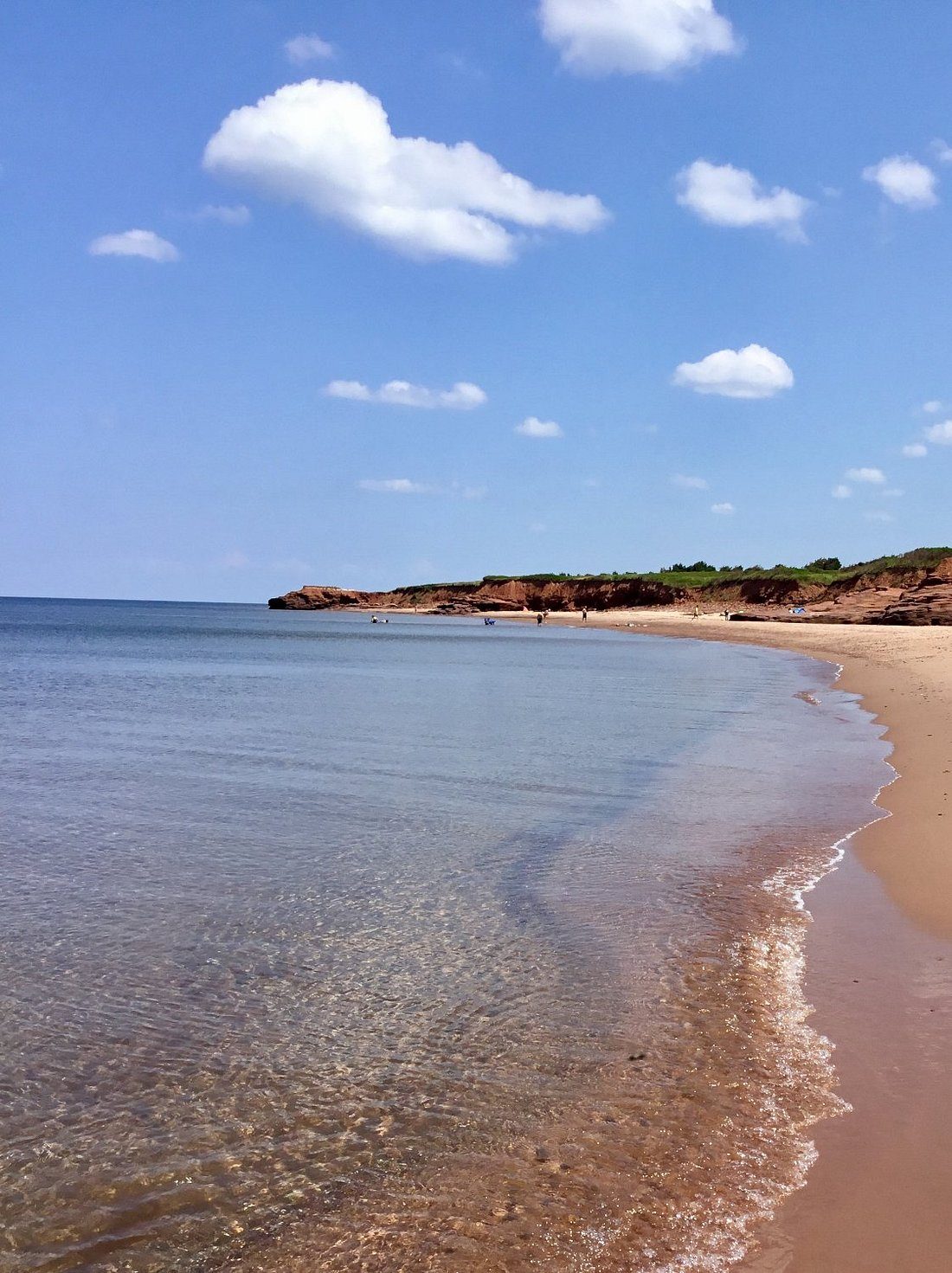
Use designated paths and current park information to reach beaches and viewpoints. Dunes and eroding cliff areas are not shortcuts or photo platforms. Storm damage and maintenance can change access, so old maps and travel photographs may not describe the present route.
Check posted beach conditions and any supervised swimming arrangements on the day. A beach can be open for walking without being appropriate for every water activity. Choose an experience that suits the group and conditions rather than promising a swim every afternoon.
For mobility needs, confirm the exact entrance, boardwalk and distance from parking. A destination's general accessibility description does not establish that all beach surfaces or trails are suitable. A confirmed viewpoint can be a better choice than an uncertain walk across sand.
Do not assume pets are allowed on every national-park beach or trail. Read the current rules before choosing an outing and make an appropriate care plan. A campground's pet policy and a beach's access rules are separate questions.
Charlottetown, heritage visits and local food
Charlottetown can be a rewarding day from a central base. Choose a compact walking route and check current opening arrangements for any museum, performance or historic attraction. Leave the RV at camp when the vehicle plan makes that practical.
Confirm parking for the smaller vehicle and the route back before leaving. If the motorhome is the only transport, verify a legal suitable lot rather than heading toward a central attraction and hoping to find space. Covered parking is especially easy to misjudge.
Heritage and literary interests can also shape a Cavendish-area day. Check the actual admission, booking and seasonal operation of the place you want. A national-park pass should not be assumed to cover every nearby private attraction.
Food experiences deserve time, but keep the main grocery run separate from browsing a market or small shop. A short local meal outing is easier to enjoy when it does not also require carrying several days of supplies back to camp.
Coastal roads, farm roads and RV dimensions
PEI's manageable size can encourage overly casual routing. Record the vehicle's height, length and towing setup, then choose established roads appropriate to the destination. A navigation app's shortest shortcut can be an unsuitable rural road for a large rig. Our list of big-rig-friendly campgrounds is a good place to start if you tow a long trailer or drive a large motorhome.
Avoid unverified red-earth heritage or farm-road shortcuts. Surface, weather and turning space can differ from the main touring route. Use current maps and operator directions, particularly after rain or when approaching a remote lighthouse.
Small coastal lots may fill even when the road itself is suitable. Have another stop in mind and avoid roadside parking that obstructs traffic or access. The ability to reach a viewpoint does not automatically provide room to leave a trailer.
An RV trip works well when the camper remains settled for several nights. Use the tow vehicle for smaller approaches and confirm its parking too. Motorhome travellers can choose fewer stops with known access rather than trying to imitate a passenger-car itinerary.
Groceries, fuel, tanks and campground service
Use larger communities such as Summerside and Charlottetown for major supply tasks, with the specific fuel station checked for suitable access. Smaller businesses can support local outings, but opening hours and forecourt layout still matter. Browse campgrounds with dump stations to compare your options. Our RV fuel planner can help you budget fuel for the longer stages.
Carry food for the arrival evening and simple breakfasts. A ferry delay or slower coastal drive should not turn dinner into an urgent search. Keep an indoor cooking option if weather makes the outdoor setup inconvenient.
Verify water notices at every campground, particularly where an advisory is published. Ask about appropriate potable filling and waste disposal, then manage tank capacity for the planned stay. Do not assume a tourism description of “serviced camping” explains every connection.
Allow time for authorized dump-station use before the departure crossing. Keep drinking-water gear separate from sewer equipment and follow the facility's instructions. Confirm non-guest access if relying on a different campground for the final service stop.
Budget, season and crossing-day buffer
Budget the selected island loop and mainland approach separately. Crossing charges, campground nights, attraction admission and optional tours belong in the total. Check current bridge and ferry quotes rather than repeating older prices from visitor forums. More best RV trips on Prince Edward Island are listed on our trips page.
June through September is a useful broad season, but national and provincial campground dates vary. Verify the exact site availability and services, then build the activity plan. A lighthouse or beach region can remain attractive after a particular campground closes.
Wind can affect both coastal outings and crossings. Keep the last day flexible enough to handle a status update and know whom to contact if a booked sailing changes. A bridge alternative adds road mileage and should be assessed before it becomes urgent.
Before departure, save confirmations, crossing instructions and route maps offline. Check the RV, complete tank tasks and protect the driver's rest. Finishing the island circuit comfortably matters more than adding one final lighthouse on the way to the terminal.
More route guides: Trans-Canada RV route: east half.
Frequently asked questions
How many days should a PEI RV loop take?
Seven to ten days suits the selected western, central and eastern circuit. Five days is better for a focused central visit. The mainland journey and crossing time are additional unless deliberately included in the schedule.
How much island driving should we expect?
Allow roughly 500–800 km for the broader selected loop, depending on regional extensions, campgrounds and the exit crossing. This is not the mileage of every official coastal drive combined. Map the actual itinerary before calculating rental allowances.
Can we use the bridge instead of a ferry?
Yes. Confederation Bridge connects New Brunswick and PEI. Check current tolls and any restriction affecting high-sided vehicles or towing combinations. Wind status for cars does not necessarily establish access for the RV.
Can we arrive by bridge and leave by ferry?
Yes, if the bookings and mainland routing fit. Northumberland Ferries connects Wood Islands with Caribou, Nova Scotia. Confirm the vehicle category, current schedule, fare and check-in arrangements before reserving the final campground night.
When does camping at Cavendish and Stanhope run?
Parks Canada says the camping season runs from June to September but gives no exact dates on its overview page. Confirm opening and closing dates and site availability when you reserve, rather than assuming autumn camping.
Is Cedar Dunes' water notice important?
Yes. The official page carried a drinking-water order advisory for elevated manganese when checked October 9, 2026. Contact the park for current status and follow its water instructions before using the campground supply.
Should we follow every small coastal road?
No. Select appropriate roads and confirm lighthouse or beach parking for the full vehicle. Avoid unverified farm or red-earth shortcuts. A smaller sightseeing vehicle can make the regional outings much easier.
Official sources
Rules, fees, and services change. Check these directly before you travel.
- Tourism PEI coastal drives: regional maps and itinerary ideas.
- Getting to PEI: bridge and ferry overview.
- Confederation Bridge: current tolls and status.
- Bridge restrictions: vehicle and wind guidance.
- Northumberland Ferries: current crossing arrangements.
- PEI National Park camping: Cavendish and Stanhope options.
- Cedar Dunes Provincial Park: campground and water notices.
- Northumberland Provincial Park: eastern camping categories.